Why Your Cooking Is Bad for the Environment and How to Make It Better
If you’re concerned about the health of the world around us, you’ve probably already adopted certain measures to help minimize your negative impact on the environment — turning off unneeded lights, taking shorter showers, taking reusable bags to the supermarket,…

If you’re concerned about the health of the world around us, you’ve probably already adopted certain measures to help minimize your negative impact on the environment — turning off unneeded lights, taking shorter showers, taking reusable bags to the supermarket, and so on.
But something most of us do every day has environmental consequences, too: cooking.
Cooking is generally defined as the preparation of food by the use of heat. Of course generating heat requires an expenditure of energy, which in turn creates a carbon footprint — the emission of greenhouse gases due to human activities.
This is inevitable. Unless our kitchen runs entirely on wind or solar power, we can’t cook without burning fossil fuels at some point in the process. It’s little wonder that few U.S. cities are meeting their clean energy goals.
However, there are a number of things we can do to minimize the effects of our food preparation on the world around us.
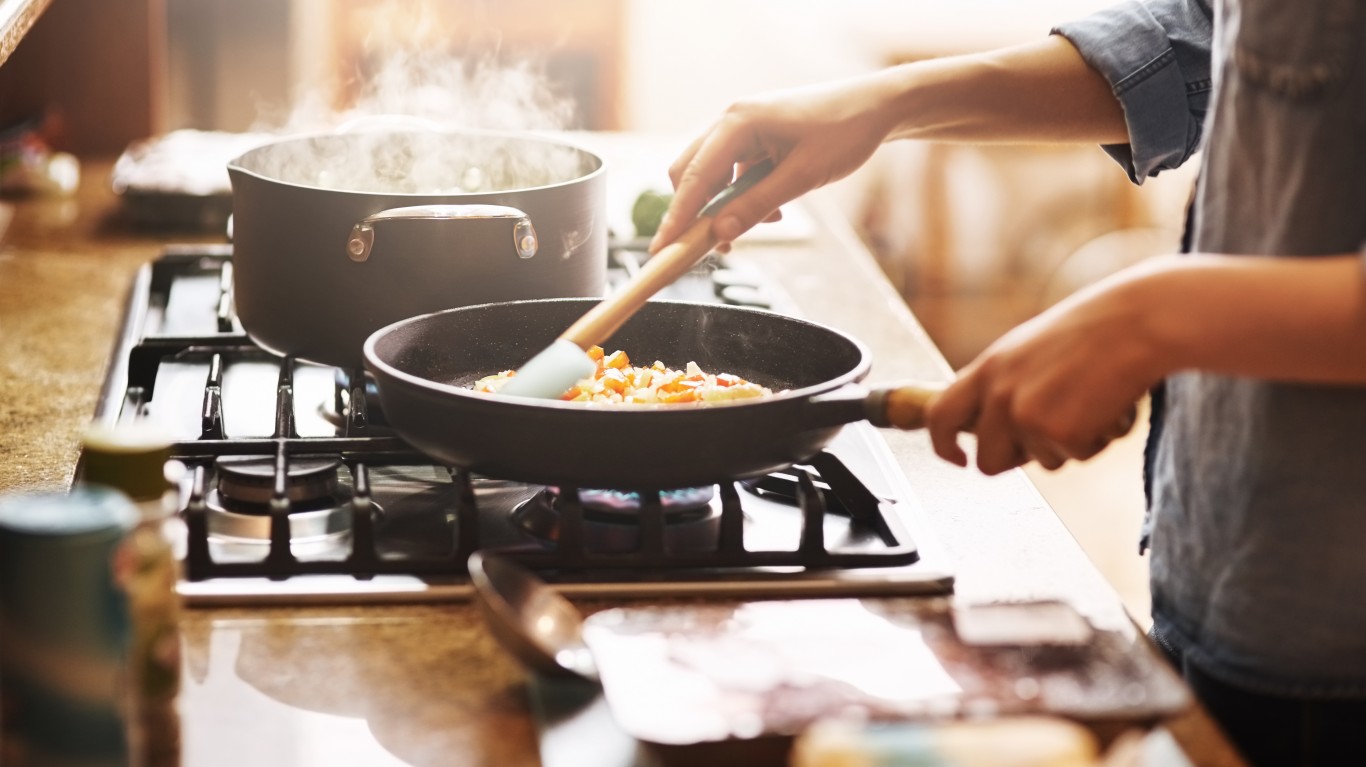
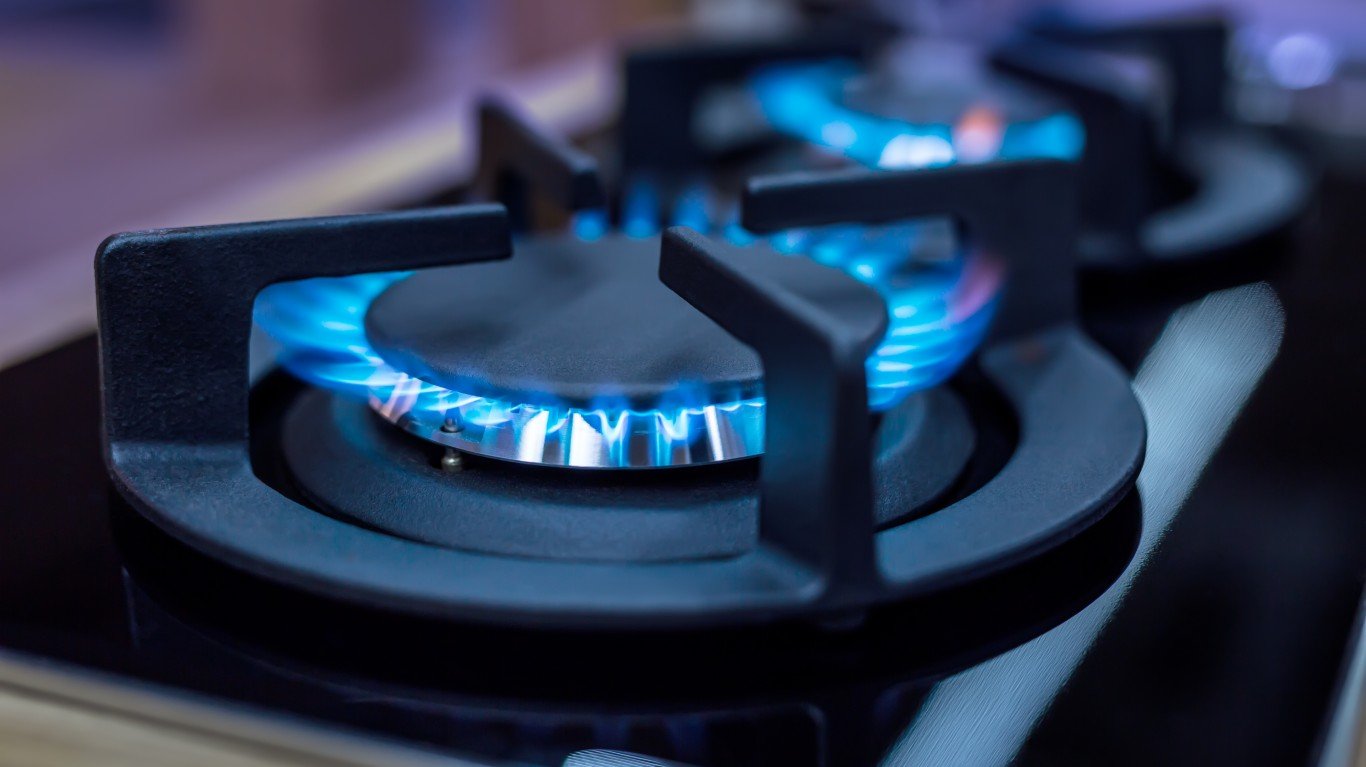
To begin with, other than wood fires, gas ranges offer the least efficient use of energy, because a lot of what is generated doesn’t get transferred to the food. The cooking efficiency of a gas range is about 40%, compared with 74% for electric. Better than both, however, are induction cooktops, which are 84% efficient.
No matter what heat source you use, however, these energy-saving strategies are worth remembering:
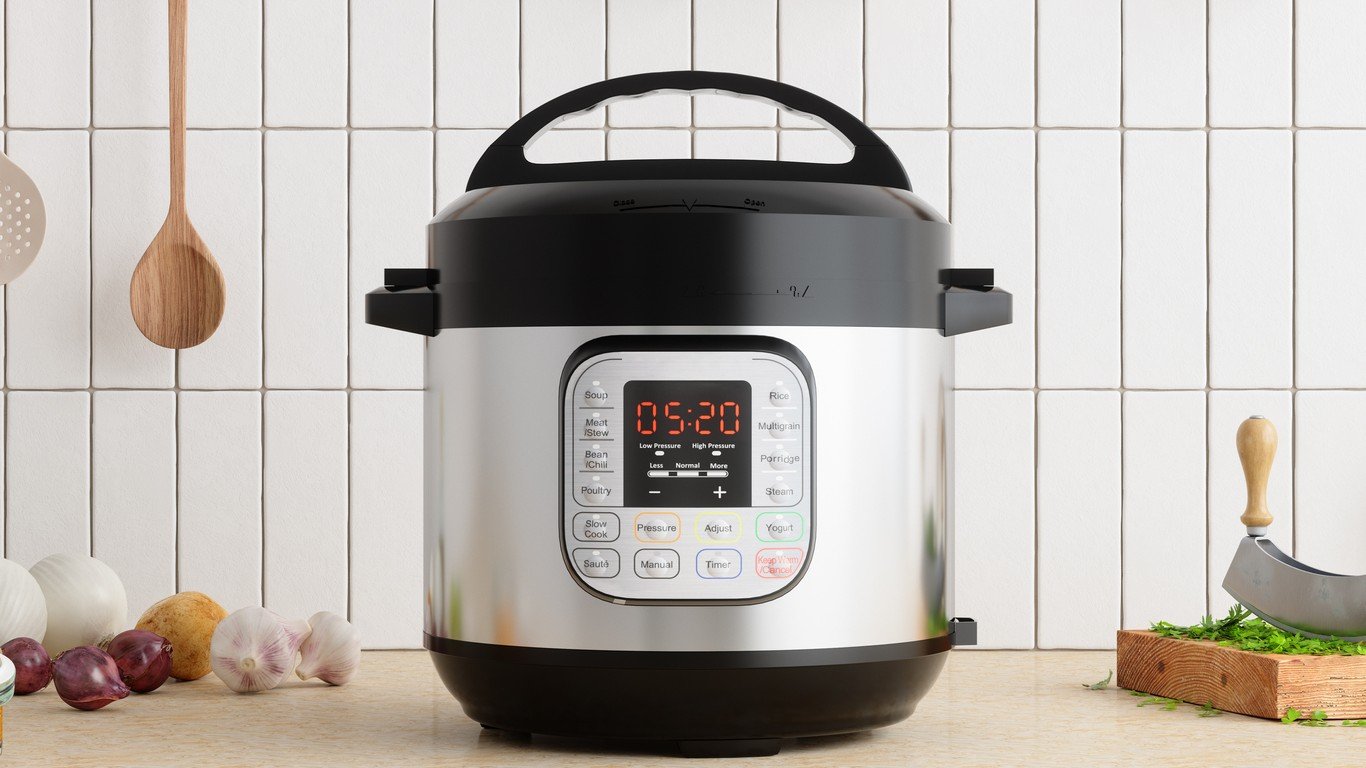
- Use a microwave or slow-cooker whenever possible. The microwave cooks food much more quickly than other appliances, so uses less energy. The slow-cooker obviously stays on a long time, but doesn’t use much more energy than a conventional light bulb. An Instant Pot can also be fuel efficient, if you employ it correctly. These are 12 ways you’re not using your Instant Pot right.
- If you’re buying an electric stove, get one with a convection option, which can cook at lower heat than ordinary baking or roasting.
- Consider replacing your old range or cooktop if it has a pilot light, which burns fuel continuously (newer appliances don’t have pilots).
- Always cover the pot when you’re boiling water — or boil it in a teakettle, then transfer it to the pot.
- Defrost food thoroughly in the refrigerator before cooking. (For faster defrosting, place well-sealed packages of food in a large bowl and cover with room-temperature — not warm — water. Check the food periodically to see if it has softened, and replace the water if necessary.)
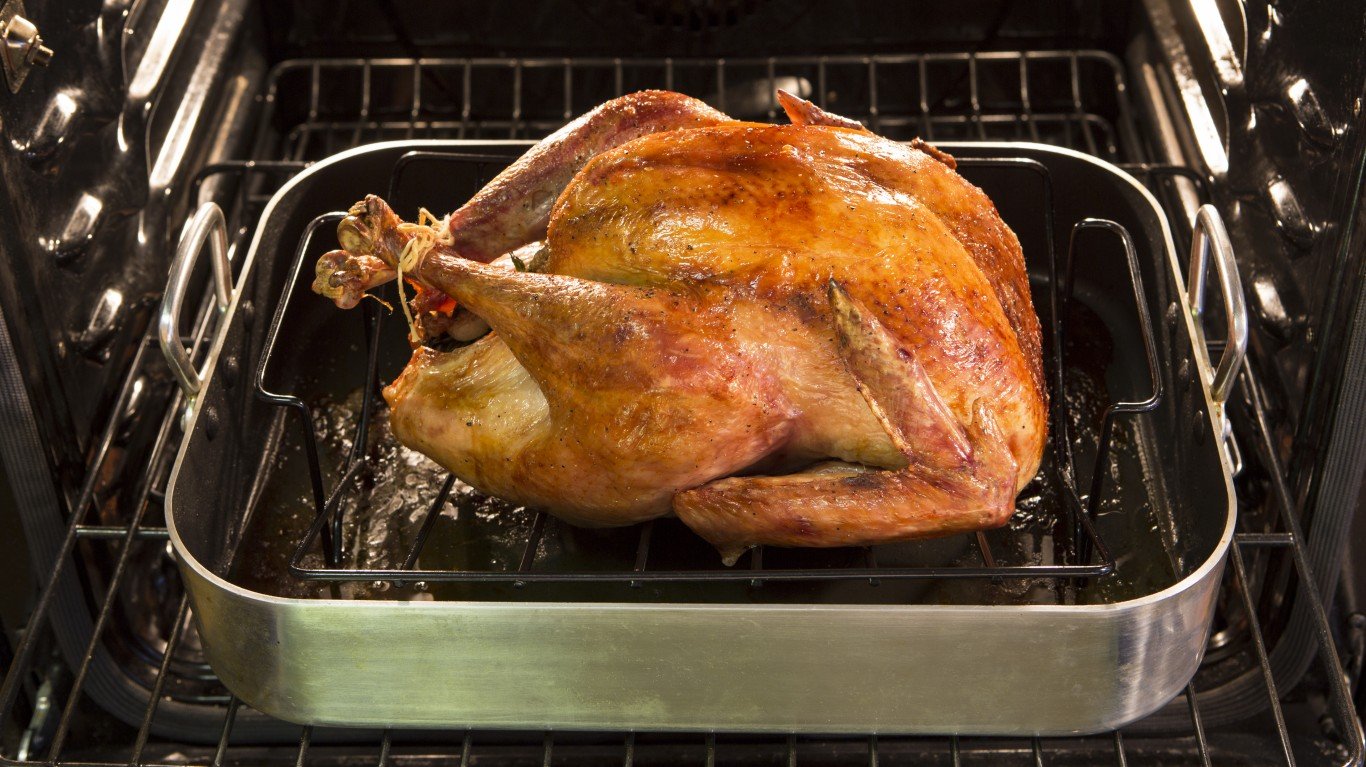
- Keep the oven door closed as much as possible to avoid losing heat.
- Cook several things in the oven at the same time if possible, then refrigerate or freeze what you’re not going to eat immediately.
- Use cast-iron or copper-bottom pans when possible (cast-iron holds the heat best, copper bottoms heat up more quickly).
Contact [email protected] for any questions or corrections.