China and U.S. GDP and the Price of Gas
ThinkstockThe price of gasoline in China has been one way the central government has regulated the effects of fuel on both businesses and individuals. In theory, this sort of system can keep increases in oil prices from being passed on…

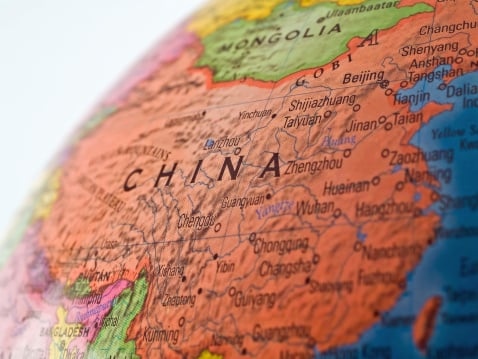 The price of gasoline in China has been one way the central government has regulated the effects of fuel on both businesses and individuals. In theory, this sort of system can keep increases in oil prices from being passed on in a way that could undermine economic activity.
China has started to alter that system, but it remains largely intact. That means that the country can continue to supplement a critical factor in a way that will continue to help expansion — a system that is nearly opposite the one in the United States. And that puts America at a substantial disadvantage.
According to Bloomberg:
Retail price adjustments will be based on the average cost of a basket of crudes over 10 working days, down from 22 days previously, and a threshold for triggering a revision will be abolished, the National Development and Reform Commission said in a statement on its website yesterday. The NDRC also cut gasoline and diesel prices for the first time in four months, effective today.
The new program should help match prices of oil more closely to refining costs, which in turn should help improve the margins at China’s refineries. However, the ability of the People’s Republic to underwrite gas prices remains largely unchanged.
Bloomberg also reports that the price of a gallon of gas is $4.74 in China. One of the reasons the government regulates gas prices is to curb inflation.
Contrast that system to the one in the United States and the disadvantage of the American system when it comes to possible economic stimulus is starkly clear.
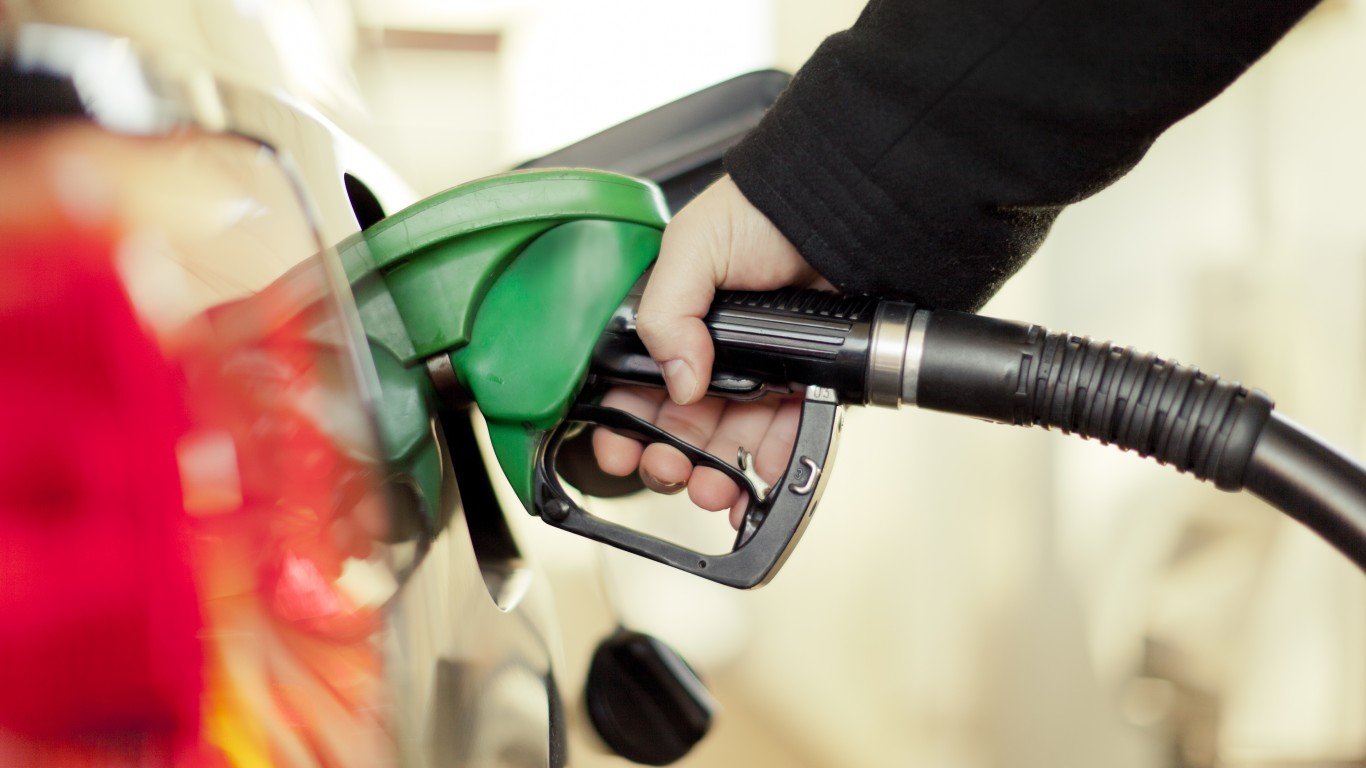
The federal gas excise tax per gallon is 18.4 cents. State and local taxes average 31.1 cents per gallon. In some large states, the sum of the two is much higher, as much as 69 cents in California. AAA’s Daily Fuel Gauge report shows the price of a gallon of regular nationwide is $3.658. Imagine the economic benefit if all taxes were subtracted from that.
The ability of China’s central government to cap gas prices is critical to the maintenance of high GDP growth. The same can hardly be said in the United States. Federal and state authorities continue to make the case that they need the tax revenue. On the other hand, the taxes are oppressive to the extent that American gross domestic product is hindered by them — at a time when economic activity desperately needs a boost.
Contact [email protected] for any questions or corrections.
Douglas A. McIntyre is the co-founder, chief executive officer and editor in chief of 24/7 Wall St. and 24/7 Tempo. He has held these jobs since 2006.
McIntyre has written thousands of articles for 24/7 Wall St. He is an expert on corporate finance, the automotive industry, media companies and international finance. He has edited articles on national demographics, sports, personal income and travel.
His work has been quoted or mentioned in The New York Times, The Wall Street Journal, Los Angeles Times, The Washington Post, NBC News, Time, The New Yorker, HuffPost USA Today, Business Insider, Yahoo, AOL, MarketWatch, The Atlantic, Bloomberg, New York Post, Chicago Tribune, Forbes, The Guardian and many other major publications. McIntyre has been a guest on CNBC, the BBC and television and radio stations across the country.
A magna cum laude graduate of Harvard College, McIntyre also was president of The Harvard Advocate. Founded in 1866, the Advocate is the oldest college publication in the United States.
TheStreet.com, Comps.com and Edgar Online are some of the public companies for which McIntyre served on the board of directors. He was a Vicinity Corporation board member when the company was sold to Microsoft in 2002. He served on the audit committees of some of these companies.
McIntyre has been the CEO of FutureSource, a provider of trading terminals and news to commodities and futures traders. He was president of Switchboard, the online phone directory company. He served as chairman and CEO of On2 Technologies, the video compression company that provided video compression software for Adobe’s Flash. Google bought On2 in 2009.