Gas Tops $4 Again, Oil Hits $82. Here’s Why the Fed Has a Big Problem
Gasoline just crossed a threshold that historically changes how consumers spend, how businesses price their goods, and how the Federal Reserve thinks about interest rates. The timing could not be worse for an economy already caught between stubborn inflation and…


Inflation looked as though it was finally settling into a more manageable pattern, but energy markets have a habit of rewriting the script. Renewed hostilities involving Iran have pushed crude oil prices higher in just a matter of days, and drivers are already feeling the effects.
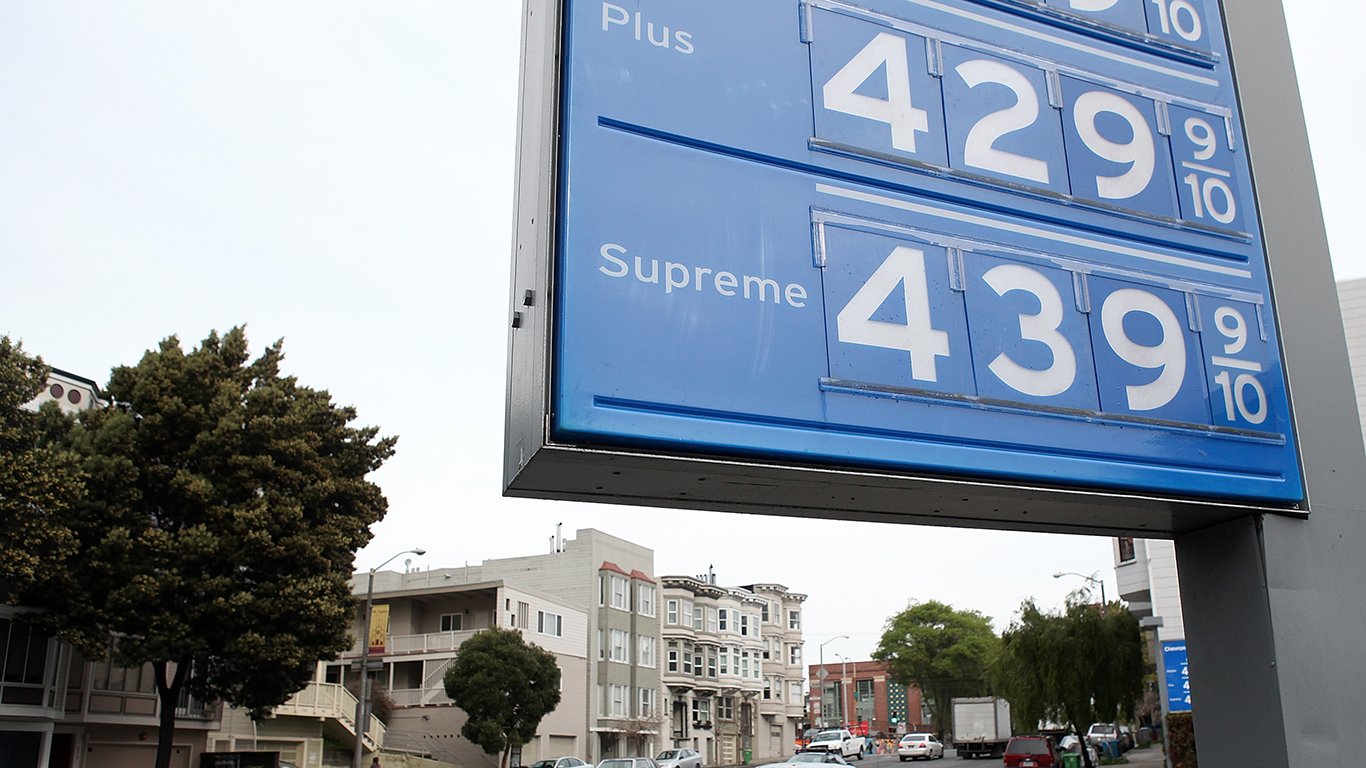
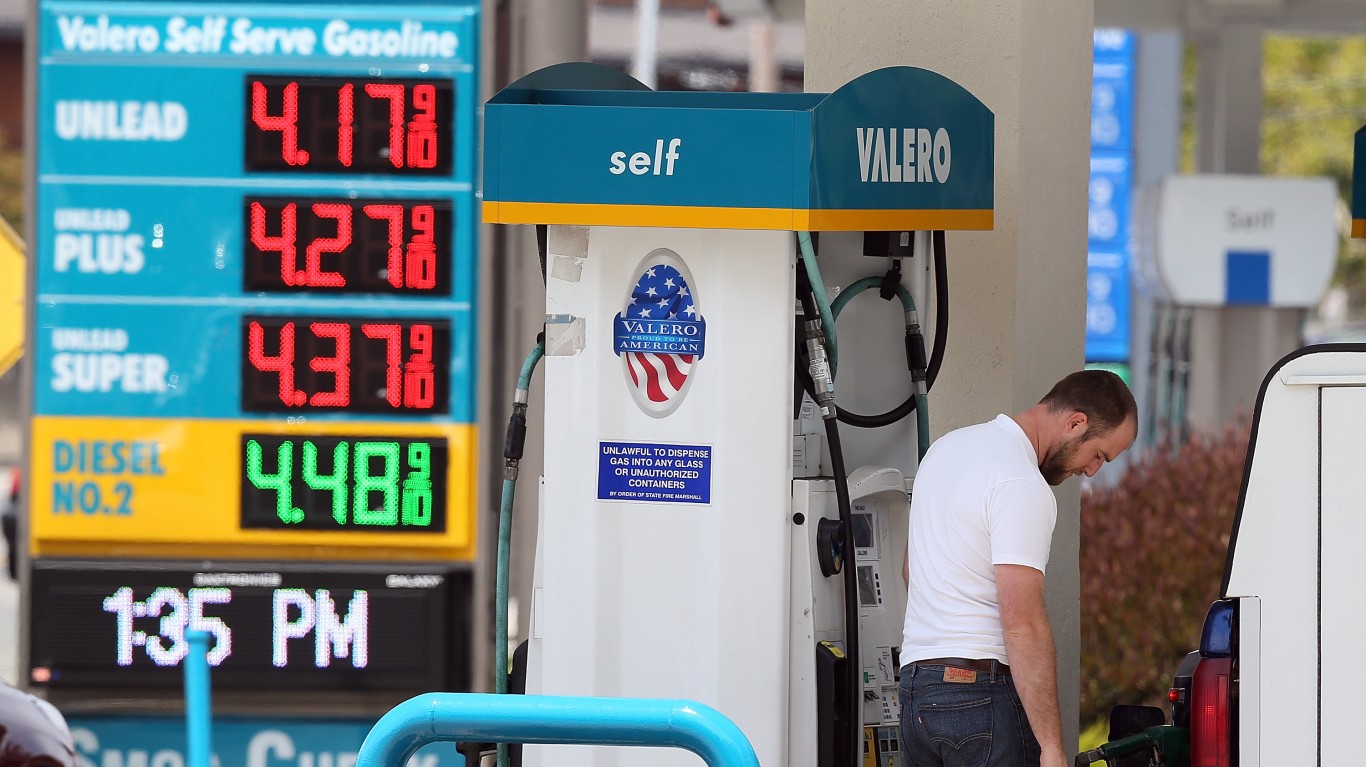
According to AAA, the national average price for gasoline climbed to more than $4.00 per gallon from $3.87 just one week earlier, while West Texas Intermediate crude has risen above $82 per barrel after trading around $79 last week. For investors, that’s more than a jump at the pump — it’s a reminder that geopolitical events can quickly reshape the economic outlook.
The Fed Faces a Familiar Dilemma
Crossing the $4-per-gallon mark carries more weight than the extra few cents drivers pay. It is a psychological threshold that changes consumer behavior while making the Federal Reserve’s job much harder.
Higher gasoline prices feed directly into inflation because fuel is embedded throughout the economy. Trucking costs rise, airlines pay more for jet fuel, manufacturers face higher transportation expenses, and businesses often pass at least part of those costs on to consumers.
At the same time, expensive gasoline acts like a tax on households. Families spending an extra $20 or $30 filling their tanks have less money available for restaurants, travel, or discretionary purchases.
That leaves Fed policymakers balancing two competing risks:
| Higher Gas Prices Can… | Economic Impact |
| Push inflation expectations higher | Supports keeping interest rates elevated |
| Reduce consumer spending | Raises recession risks |
| Increase business operating costs | Pressures corporate profit margins |
It’s a difficult combination because the central bank can’t produce more oil or resolve geopolitical conflicts.
Energy Prices Spread Far Beyond the Pump
To put the recent move into perspective, a $3 increase in the price of crude doesn’t sound dramatic. Yet energy markets often amplify relatively small changes in oil prices into larger swings for consumers.
According to AAA, gasoline prices jumped about 13 cents per gallon in just one week. That illustrates how quickly geopolitical tensions can reach Main Street.
The larger concern is whether consumers begin expecting higher inflation over the coming months. Inflation expectations matter because they influence wage negotiations, business pricing decisions, and ultimately the inflation data the Fed watches most closely.
Granted, one week doesn’t establish a lasting trend. Energy markets have reversed course quickly before as supply concerns eased.
History Shows How Quickly Energy Changes the Narrative
That said, today’s prices are still well below the more than $5-per-gallon national average reached during the inflation surge of 2022 under the Biden administration. Yet they’re also not far below the $4.18 peak reached in April following the outbreak of the Iran conflict, showing how quickly geopolitical shocks can erase months of progress.
Before renewed fighting disrupted energy markets, the national average had fallen to just $2.98 per gallon, reinforcing President Trump’s campaign promise to lower fuel costs. Now that optimism has faded. If tensions in the Middle East persist — and there is no reason to believe they won’t — investors may have to contend with a familiar phrase once again: higher for longer. This time, it may apply not only to Federal Reserve interest rates, but also to gasoline prices.
Key Takeaway
In short, higher gasoline prices don’t automatically mean inflation is roaring back. They do mean investors should pay closer attention.
The combination of WTI crude above $82 per barrel and gasoline back over $4 per gallon creates fresh uncertainty for Federal Reserve policy. If energy prices remain elevated, inflation could prove more stubborn just as consumer spending begins to soften.
Ultimately, energy is often the fastest transmission mechanism between geopolitical events and the broader economy. Smart investors should watch oil prices as closely as inflation reports in the weeks ahead. If crude retreats, the inflation scare may fade just as quickly. If it continues climbing, however, the Fed’s path toward raising interest rates begins to open up.
Contact [email protected] for any questions or corrections.
After two decades of patrolling the dark corners of suburbia as a police officer, Rich Duprey hung up his badge and gun to begin writing full time about stocks and investing. For the past 20 years, he’s been cruising the markets looking for companies to lock up as long-term holdings in a portfolio while writing extensively on the broad sectors of consumer goods, technology, and industrials. Because his experience isn’t from the typical financial analyst track, Rich is able to break down complex topics into understandable and useful action points for the average investor. His writings have appeared on The Motley Fool, InvestorPlace, Yahoo! Finance, Money Morning, and, of course, 24/7 Wall St. He has been featured in both U.S. and international publications, including MarketWatch, Financial Times, Forbes, Fast Company, and USA Today.