These 4 States Prohibit Open Carry
Across the U.S., open carry laws vary widely, with some states embracing public firearm display and others outlawing it altogether. Four major states—New York, Florida, California, and Illinois—fall into the latter category, keeping open carry off the table for most…


Across the U.S., open carry laws vary widely, with some states embracing public firearm display and others outlawing it altogether. Four major states—New York, Florida, California, and Illinois—fall into the latter category, keeping open carry off the table for most residents. The same is true for Washington, D.C., which has some of the strictest gun laws in the country. Here’s a breakdown of each state’s rules, the history behind them, and recent changes in legislation.
New York: Current Law

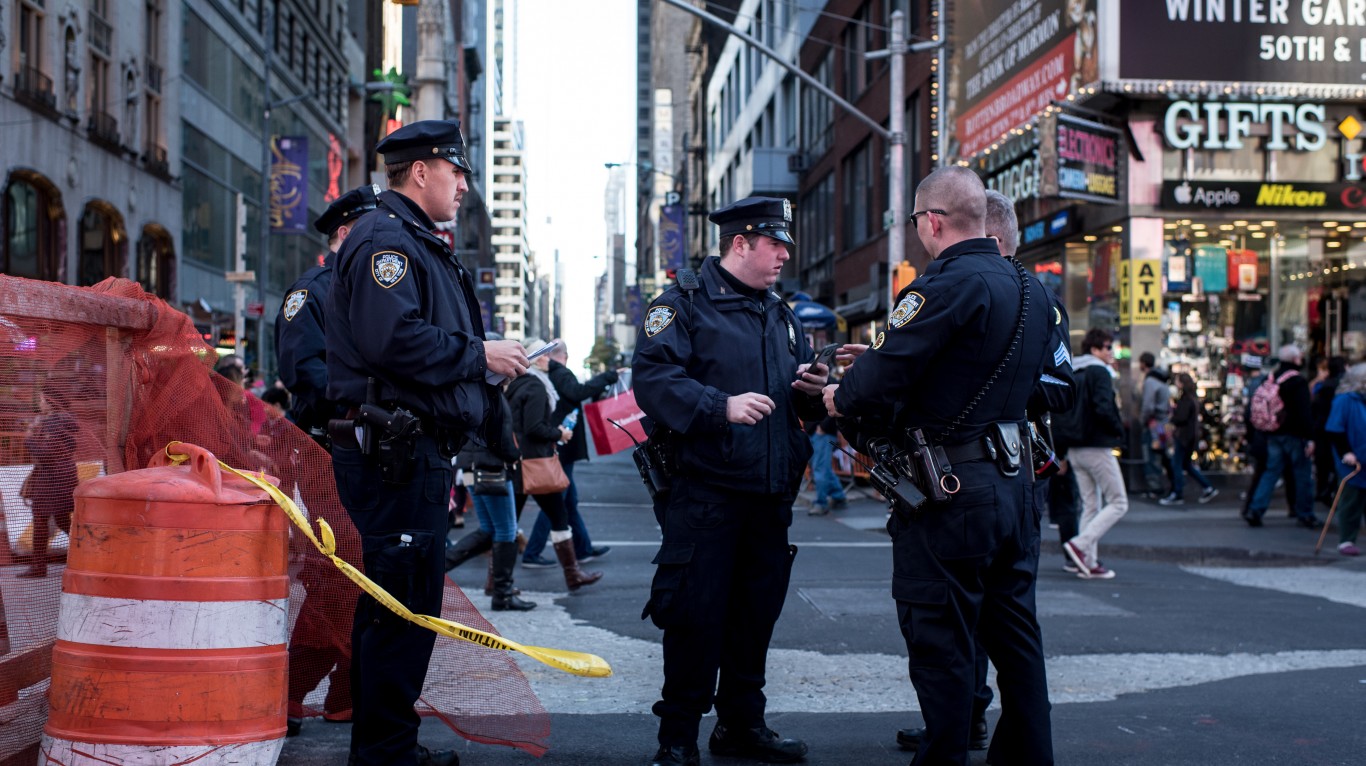
New York has some of the toughest firearm restrictions in the country. Open carry of handguns is banned statewide, and the state doesn’t issue licenses for it. Concealed carry is allowed only with a state-issued permit after strict vetting, including background checks, fingerprinting, in-person training, an interview, and a review of recent social media activity. Even with a permit, gun owners must follow bans on carrying in “sensitive locations” like schools, public parks, public transit, government buildings, and designated areas such as Times Square. Open carry of unloaded rifles or shotguns isn’t directly prohibited statewide, but carrying a loaded long gun in public is illegal. In practice, local laws—especially New York City’s—ban almost all public rifle or shotgun carry, making public firearm display extremely rare.
New York: Historical Context
Gun control has been part of New York’s laws for over a century. The Sullivan Act of 1911 made it illegal to carry a concealable firearm without a permit, driven by rising shootings and crime in New York City. It created one of the earliest “may-issue” systems, giving police wide discretion, often favoring the well-connected. Open carry of handguns was never common and quickly became prohibited statewide. Over the decades, laws tightened further, driven by urban growth, mob violence, and later high-profile crimes. These measures influenced other states and reinforced a culture that firearms should be tightly regulated to limit violence in densely populated areas.
New York: Recent Changes
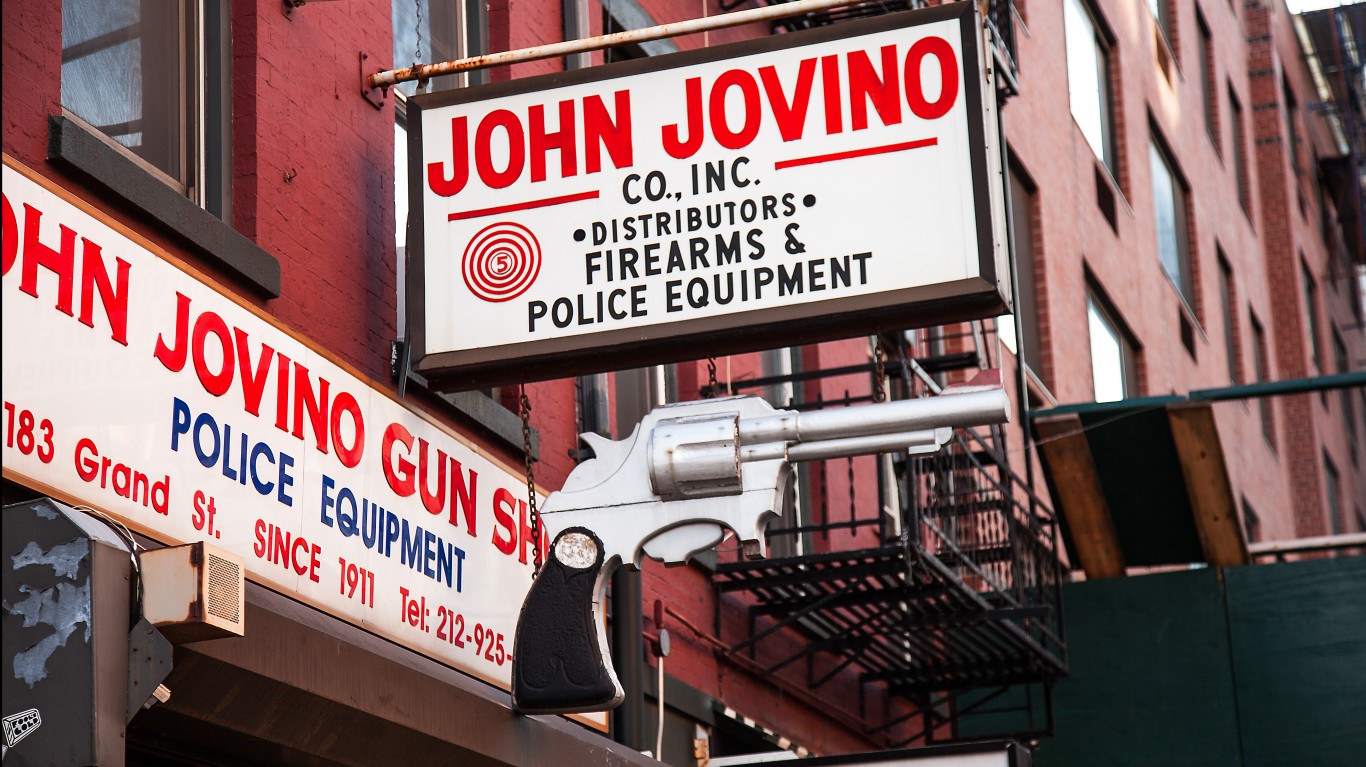
In 2022, the U.S. Supreme Court in New York State Rifle & Pistol Association v. Bruen struck down New York’s “proper cause” standard for concealed carry permits. The state responded with the Concealed Carry Improvement Act, removing that requirement but adding strict rules like more training, interviews, and disclosure of past online activity. It also expanded “gun-free” areas, including playgrounds, places of worship, public transit, and large events. As of 2025, courts have upheld most restrictions. Proposals for licensed open carry are stalled, with lawmakers instead focusing on safe storage laws and efforts to curb illegal firearm trafficking, keeping New York among the most restrictive states.
Florida: Current Law

Florida prohibits the open carry of firearms in public, meaning you cannot wear a gun in plain view during daily activities. Since July 1, 2023, most adults over 21 who can legally possess a firearm may carry it concealed without a permit, though optional licenses are still issued for reciprocity with other states. The law did not change Florida’s open carry ban, with narrow exceptions for hunting, fishing, camping, target shooting, or direct travel to and from those activities. Even then, strict transport rules apply, and violations can bring criminal charges. This makes Florida a “permitless concealed carry” state but not an open carry state—a distinction that often surprises newcomers and tourists.
Florida: Historical Context
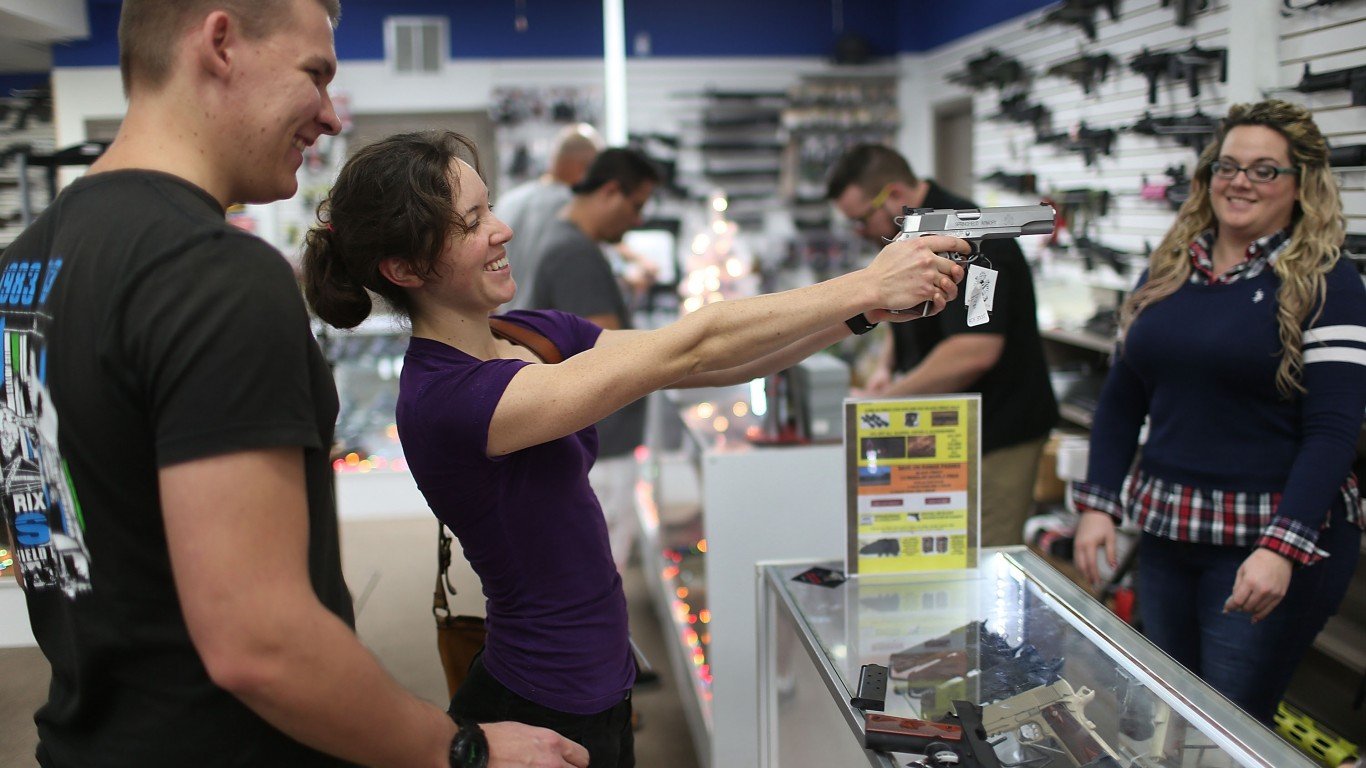
Florida’s open carry restrictions began in 1987, when lawmakers banned public open carry of handguns as part of the “Jack Hagler Self Defense Act,” which also created the state’s “shall issue” concealed carry system. The change followed public concern over armed individuals in public, especially after incidents that alarmed tourists in busy areas. From the start, open carry exceptions were allowed for hunting, fishing, and other outdoor activities, reflecting the state’s strong outdoor culture. While concealed carry became common and well-regulated, open carry stayed socially and politically unpopular, with repeated expansion attempts failing due to opposition from law enforcement, tourism advocates, and parts of the public.
Florida: Recent Changes

On July 1, 2023, Florida became the 26th state to adopt permitless concealed carry, allowing eligible adults to carry a concealed handgun without a state license. Supporters called it a win for Second Amendment rights, while critics worried about ending mandatory training. The law did not alter the open carry ban, which still applies except for certain outdoor activities and direct travel to and from them without unrelated stops. While paperwork for concealed carry was reduced, open carry rules remain among the nation’s stricter. Proposals to allow broader open carry have been introduced but repeatedly stalled before a floor vote, keeping Florida’s approach unchanged for decades.
California: Current Law
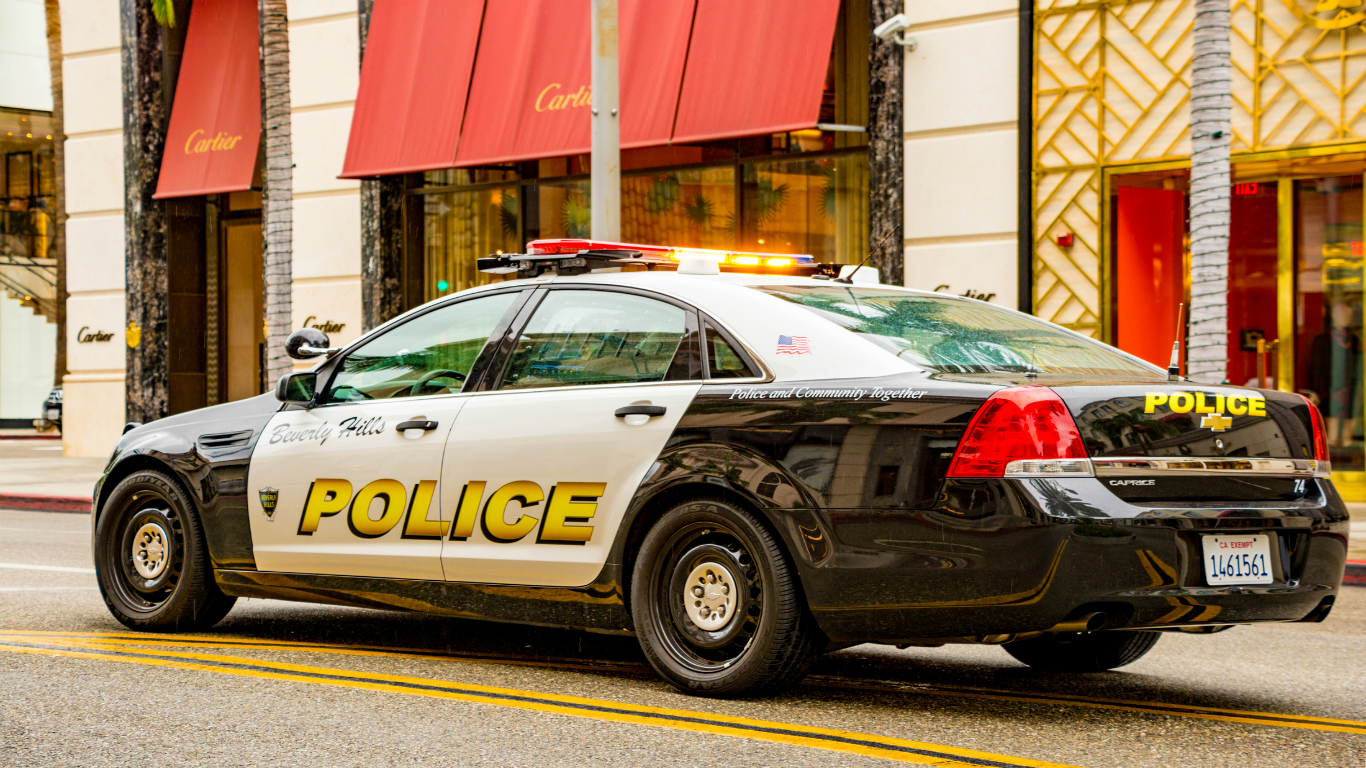
California has some of the strictest firearm laws in the nation, and open carry is almost entirely banned. State law prohibits openly carrying a handgun or long gun—loaded or unloaded—in most public places, with limited exceptions for law enforcement, licensed security, and approved activities like hunting in designated areas. Concealed carry is legal only with a license, and while Bruen made the process more standardized, local sheriffs and police chiefs still control issuance, so requirements vary by county. Even licensed carriers face extensive restrictions, with firearms banned in schools, government buildings, public transit, many parks, and private businesses posting “no guns” signs. In practice, the mix of permitting rules, sensitive-place bans, and open carry prohibitions makes public firearm display nearly impossible for civilians in most populated areas.
California: Historical Context

California’s modern gun laws stem from the 1967 Mulford Act, passed after the Black Panther Party’s armed protest at the state Capitol. It banned public open carry of loaded firearms, reflecting a growing belief that visible guns in urban areas were unsafe. Over time, lawmakers expanded restrictions—banning assault weapons in 1989 after the Stockton school shooting, limiting high-capacity magazines, and in 2012 banning open carry of unloaded long guns after public demonstrations. These changes created one of the most comprehensive firearm control systems in the U.S., with strict limits on both possession and where weapons can be carried or displayed.
California: Recent Changes
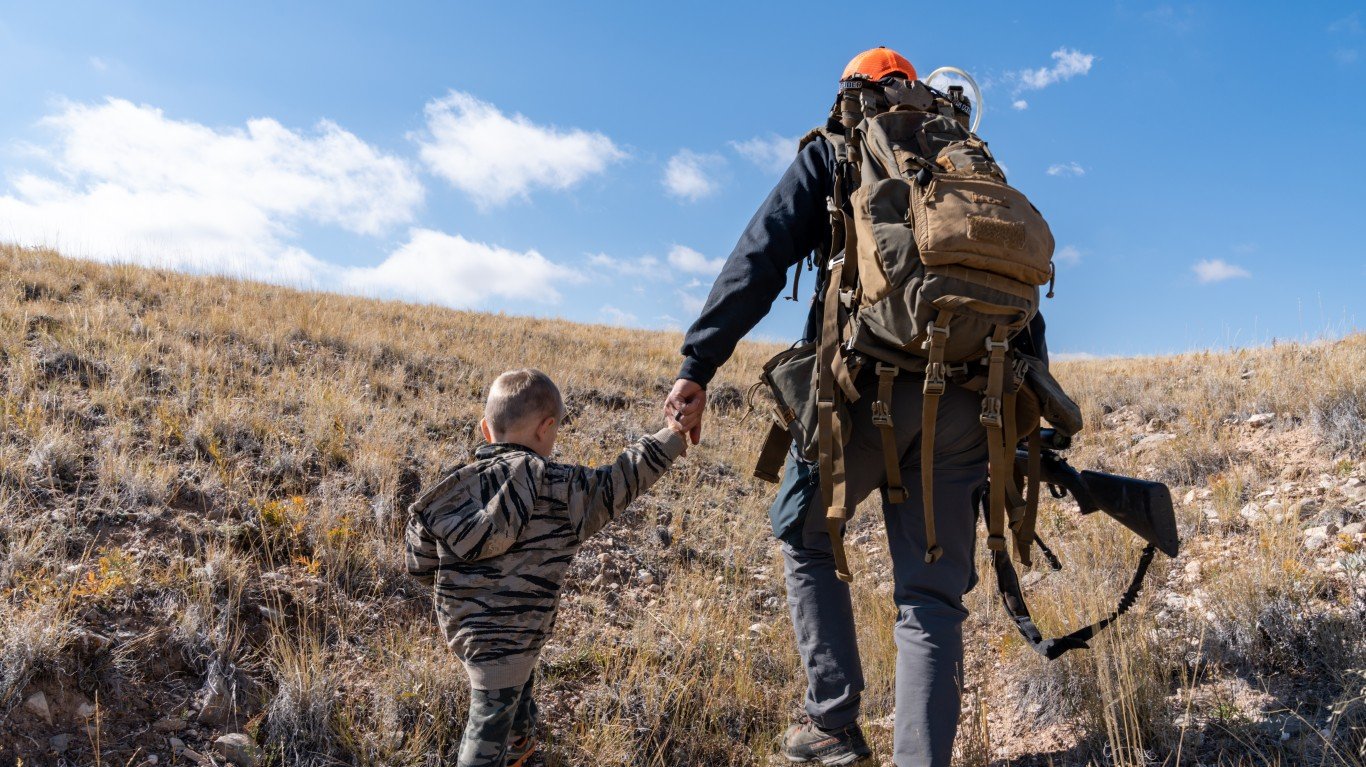
After the 2022 Bruen decision, California replaced its “good cause” concealed carry standard with a more objective “shall issue” model, making it easier for eligible applicants. In 2023, lawmakers passed SB 2, increasing training requirements and greatly expanding the list of “sensitive locations” where guns are banned. Bruen did not affect California’s long-standing open carry ban, which still applies to both loaded and unloaded firearms in nearly all public areas. Exceptions remain for hunting, shooting ranges, private property, and some rural areas under certain conditions. As of 2025, California continues to block open carry expansion, focusing instead on tightening concealed carry rules and defending its restrictions in ongoing federal court challenges.
Illinois: Current Law
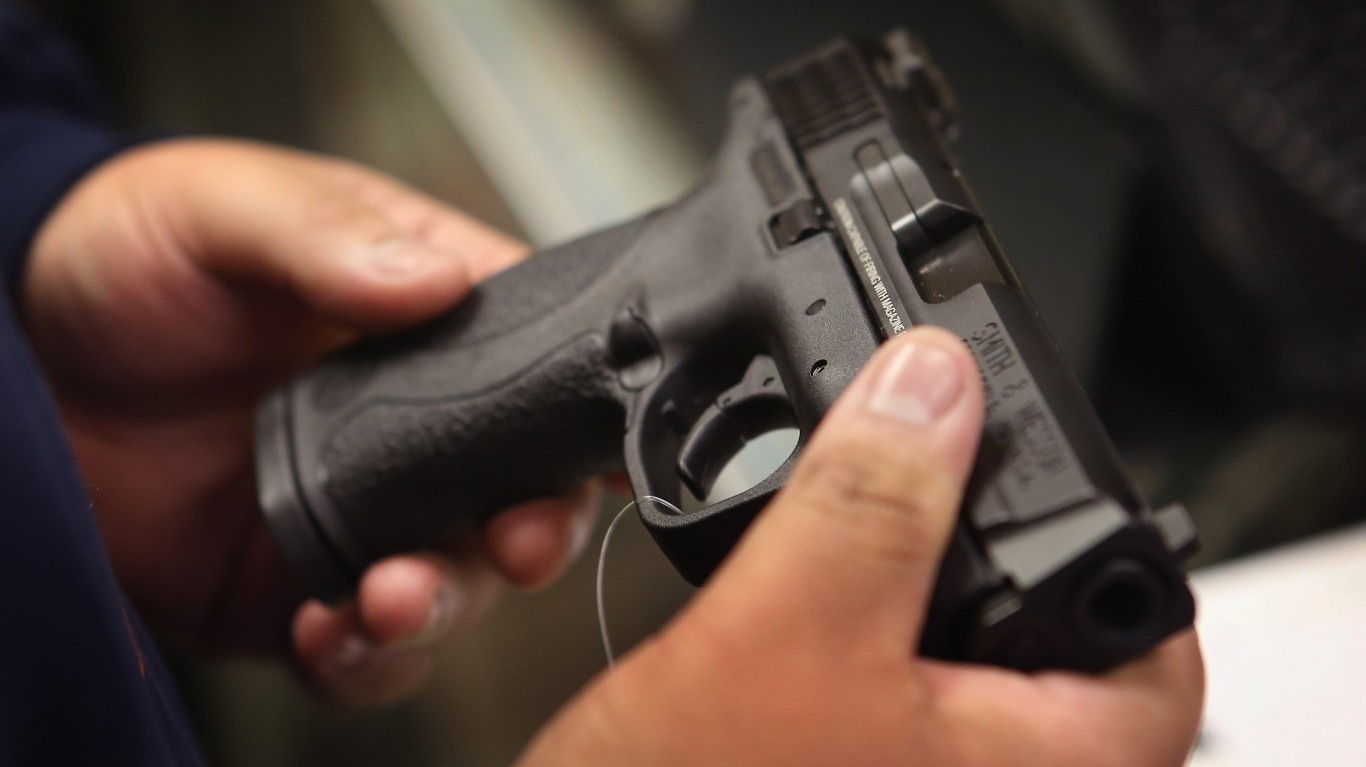
Illinois has some of the strictest gun laws in the U.S. Open carry of handguns and long guns is banned in nearly all public places, with narrow exceptions for licensed security and lawful hunting or sport shooting; even then, it’s prohibited in sensitive areas like parks, schools, and public transit. All firearm owners—including those keeping guns only at home—must have a Firearm Owner’s Identification (FOID) card issued by state police, and possession of firearms or ammunition without one is illegal. The FOID application checks residency, criminal history, and mental health status, and gun sales are tightly regulated to ensure compliance.
Illinois: Historical Context
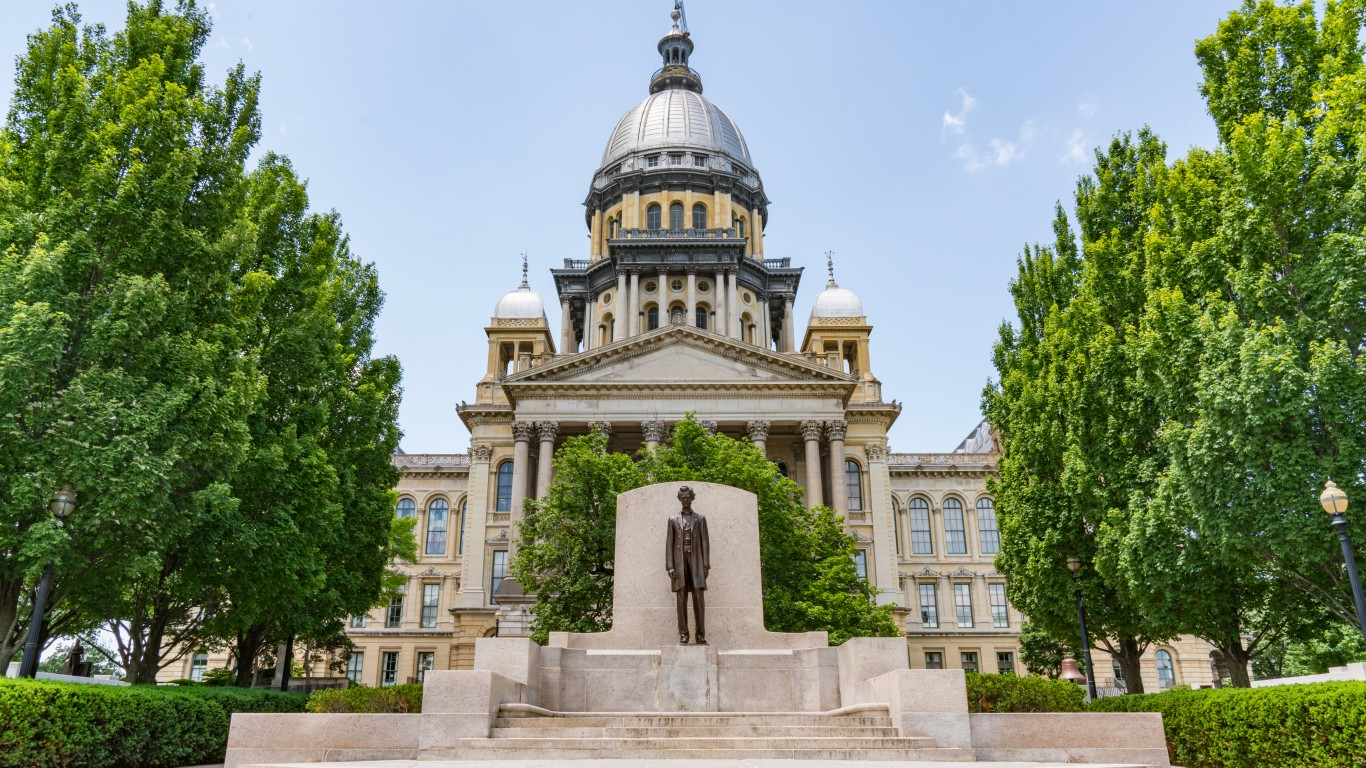
For decades, Illinois had some of the nation’s toughest carry and ownership restrictions. Until 2013, it was the only state with a full ban on public firearm carry, even for licensed owners, requiring guns be unloaded and locked unless at home or a shooting range. Court rulings led to a concealed carry law—effective July 9, 2013—creating “shall-issue” handgun licensing but keeping open carry banned and extensive location restrictions in place. The FOID card requirement, in effect since 1968, made Illinois unique by requiring a state-issued ID to possess firearms or ammunition.
Illinois: Recent Changes
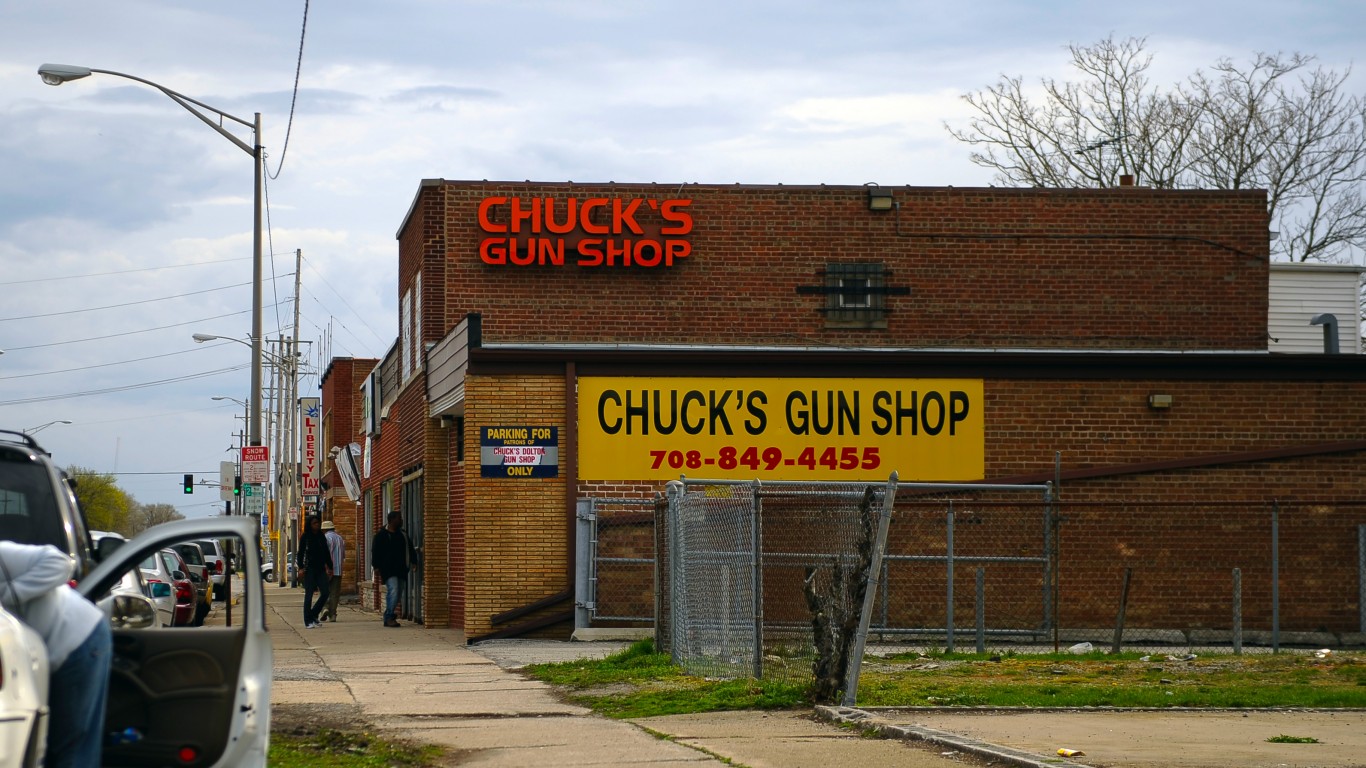
Open carry is still illegal for nearly all civilians, with exceptions for licensed security or lawful hunting, target shooting, and direct travel to those activities, but it remains banned in places like parks, schools, government buildings, bars, and public transit. In 2023, Illinois expanded “sensitive location” definitions, tightened storage laws to prevent access by minors and at-risk individuals, and increased penalties for repeat offenders. HB 4500 in 2025 reinforced a tougher stance on unlawful possession. Recent laws since 2023 also ban assault-style weapons and high-capacity magazines, requiring their registration.
Washington DC
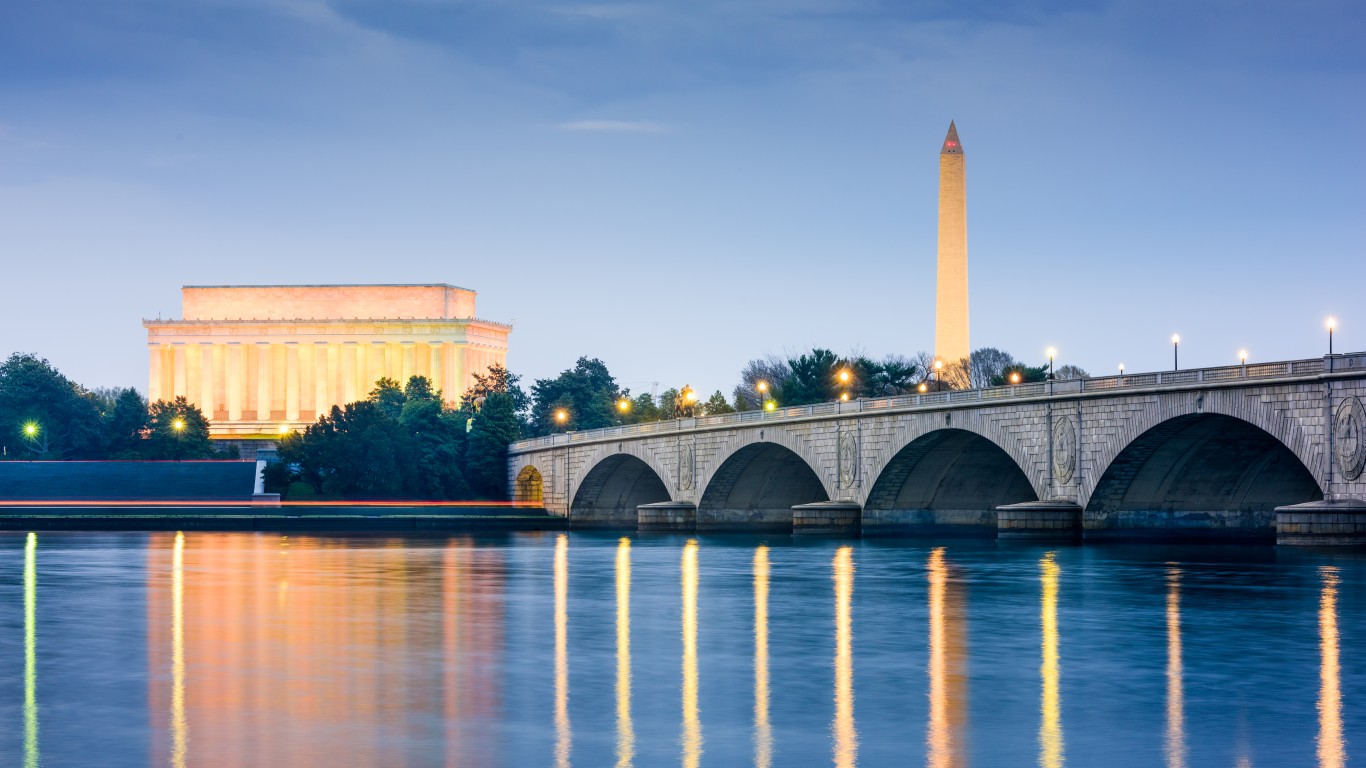
Don’t forget Washington, D.C. If you’re traveling in the nation’s capital, remember that it prohibits all open carry of firearms. Concealed carry is allowed only with a D.C.-issued permit, and the city does not recognize any out-of-state licenses. Permit applicants must meet strict eligibility requirements, complete firearms safety training, and pass background checks. Firearms kept at home or work must generally be stored securely, and when transported, they must be unloaded and locked in a container separate from ammunition. Numerous location-based bans apply, including government buildings, public transportation, schools, and public gatherings, making lawful public carry highly restricted.
Summing Up
In these jurisdictions, open carry is either completely banned or so limited that it’s effectively unavailable to most people. Changes in recent years have focused on concealed carry regulations, not open carry, and local laws often add even more restrictions. Anyone traveling to or through these areas should check current rules carefully to avoid violations.
Contact [email protected] for any questions or corrections.
Drew Wood has edited or ghostwritten nine books and published more than 1,500 articles on investing, business, politics, travel, world cultures, wildlife, and earth science. He holds a doctorate and four master's degrees and has nearly 30 years of college teaching experience. His travels have taken him to 25 countries, including three years living in Ukraine.