These Dangerous Weapons Are Surprisingly Legal in America
In the United States, the right to bear arms is an important aspect of law and culture, yet many people are surprised by just how powerful certain legal-to-own weapons can be. Beyond standard guns, a range of weapons often associated…


In the United States, the right to bear arms is an important aspect of law and culture, yet many people are surprised by just how powerful certain legal-to-own weapons can be. Beyond standard guns, a range of weapons often associated with military or high-risk use are lawful under federal or state regulations, provided specific conditions are met. The legality of these highly dangerous weapons is due to a mix of constitutional rights, public safety concerns, and decades of changing legislation.
This article explores some of the most dangerous weapons that are still legal in America. We examine how and why they’re allowed under current U.S. laws. We also take a look at potential regulatory loopholes and the restrictions that govern their use. Understanding these weapons requires a great deal of context. Knowing what is legal, where, and under what circumstances is important in the broader debate surrounding weapons, public safety, and owner responsibility.
This post was updated on January 12, 2026 to provide an overview of surprisingly dangerous weapons that are still legal to own in the U.S.
Why We Are Talking About This

Legalization of certain guns, primarily assault rifles, remains an important topic of discussion in America. But what about other types of weapons that are capable of inflicting serious harm? While American citizens are focused on a safer America, many people wonder if this hypothetical ‘safer nation’ is more or less harmful with the legalization of weapons.
The following is a list of weapons in America, many of which are legal:
14. Privately Made Firearms
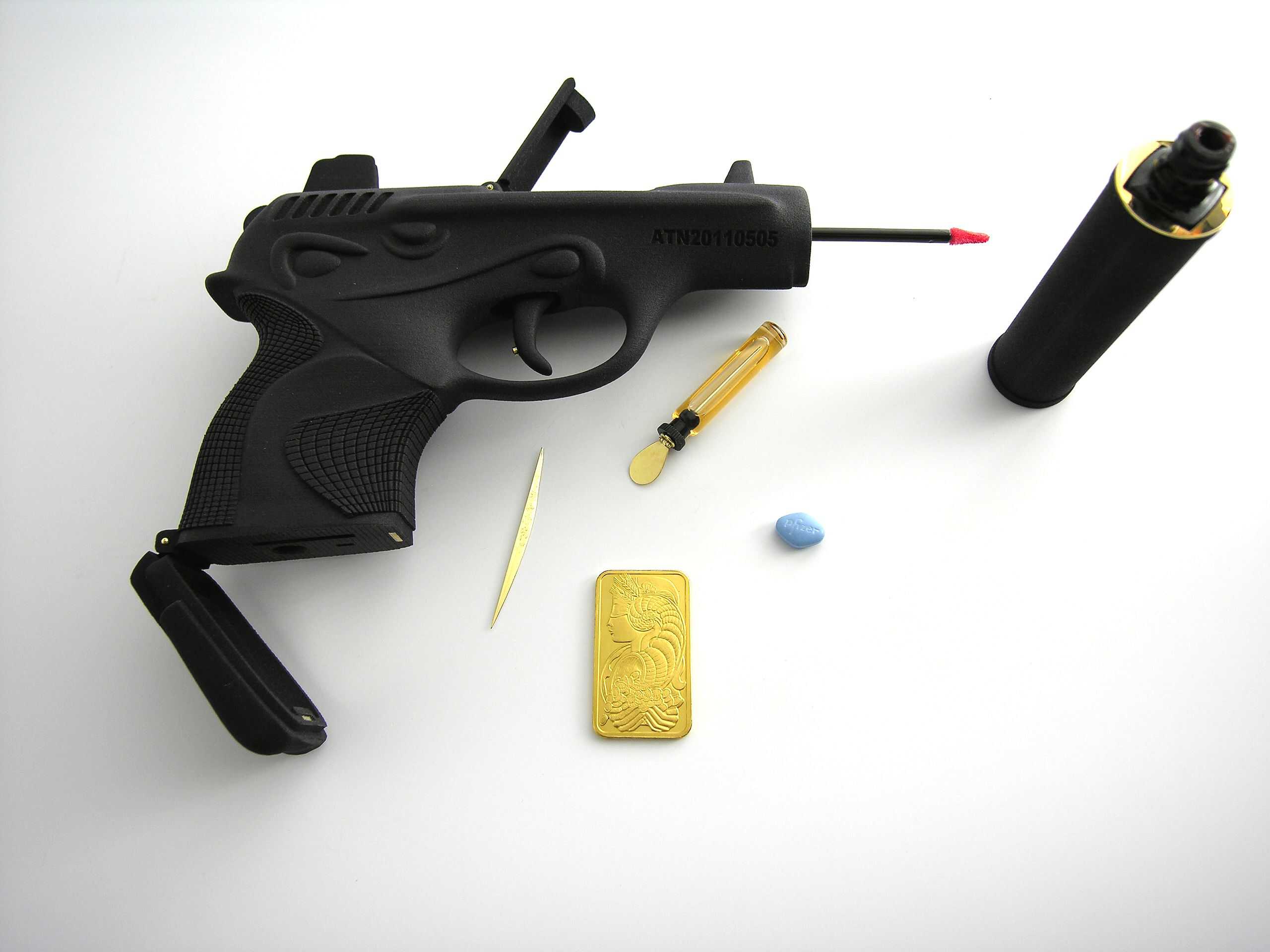
With the rise of 3D printing, privately made firearms are all the rage. Known as “Ghost Guns,” they are surprisingly legal. While there are ATF regulations that govern homemade guns, they can be notoriously difficult to enforce. President Biden introduced executive action on Ghost Guns in 2022 to serialize them so they are easier to track.
13. Crossbow
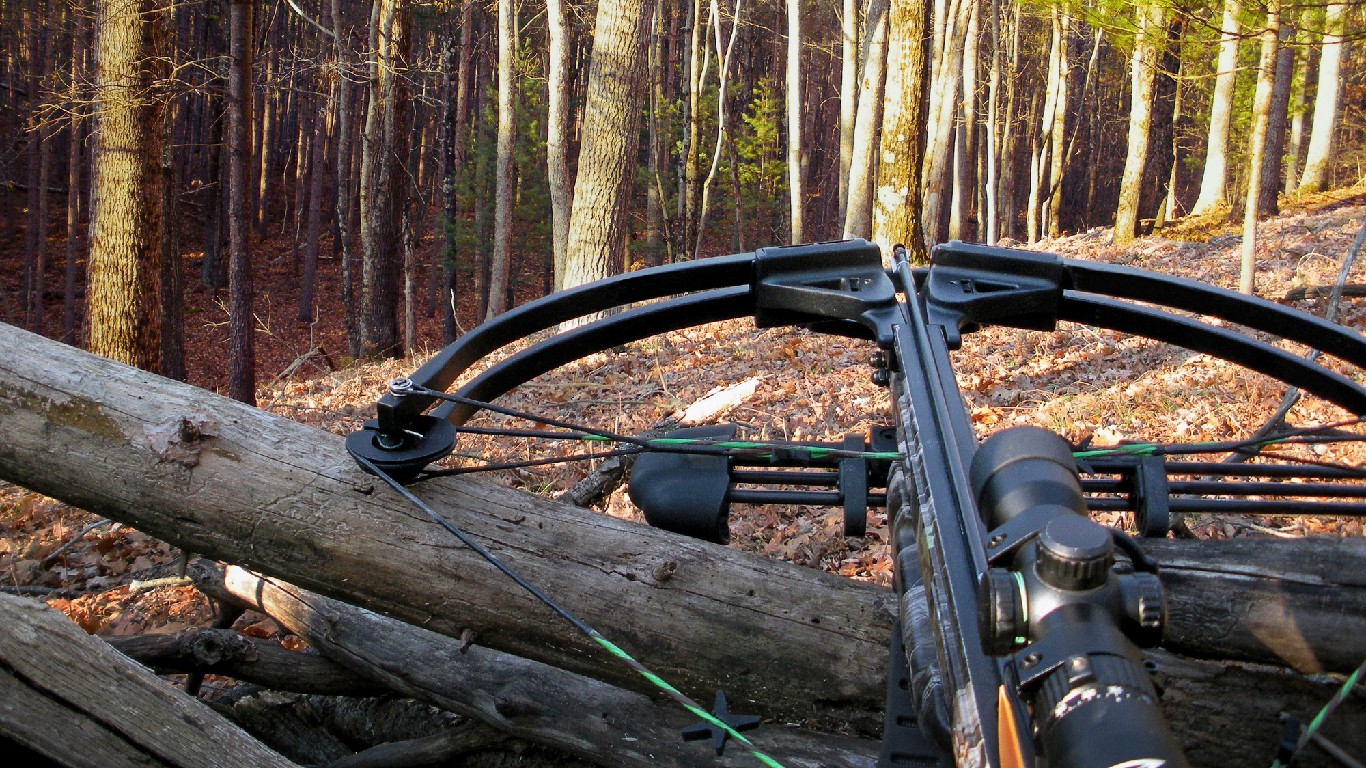
First popularized in movies with plots set hundreds of years ago, crossbows are perfectly legal to own in the United States. No federal law prohibits them, provided they have been purchased for target shooting or hunting.
12. Tactical Baton
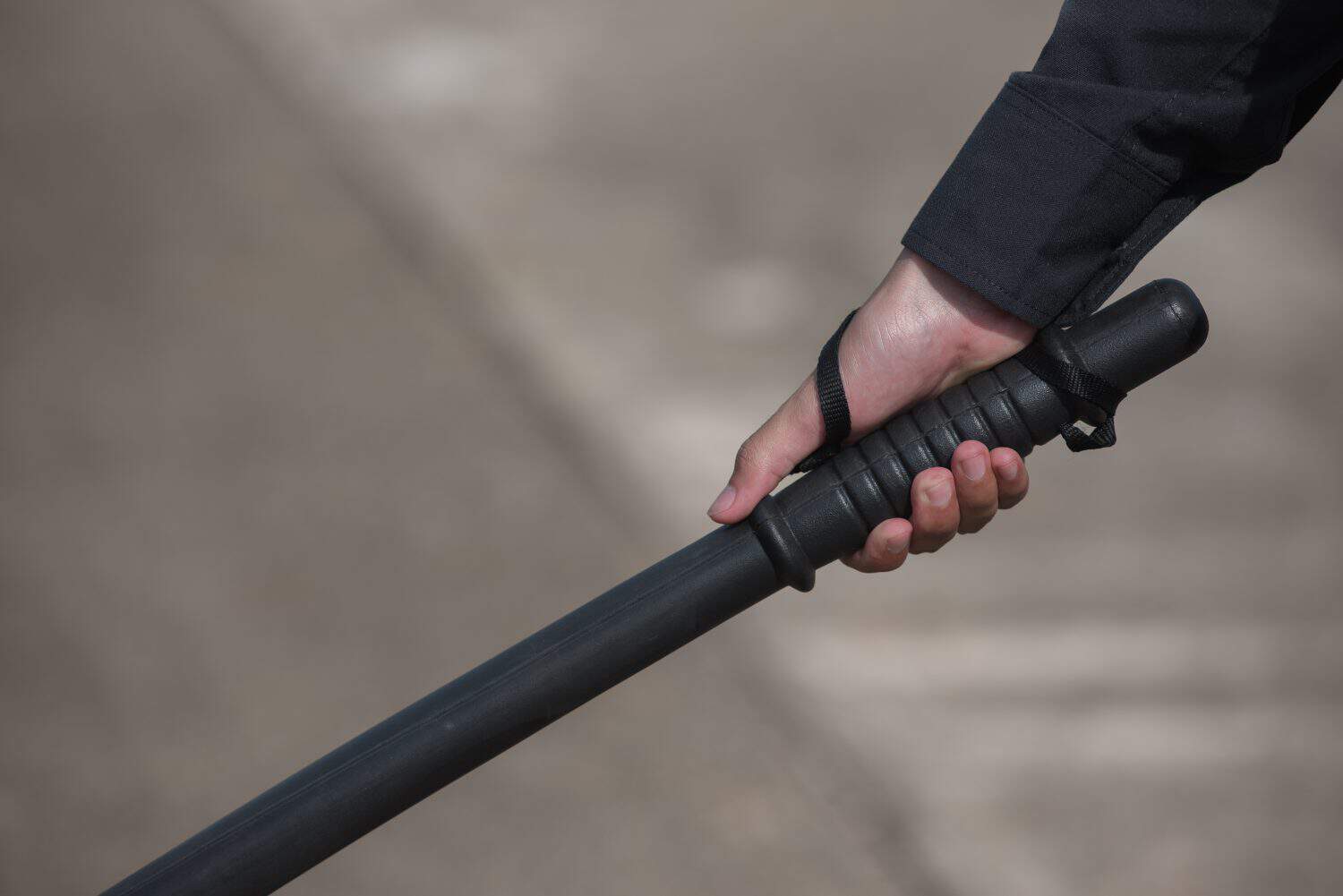
While laws vary from state to state, owning a tactical baton or a “telescopic” model is generally legal nationwide. You might need a concealed weapons permit in certain states like Florida, but this follows the same process as gun ownership.
11. Silencers
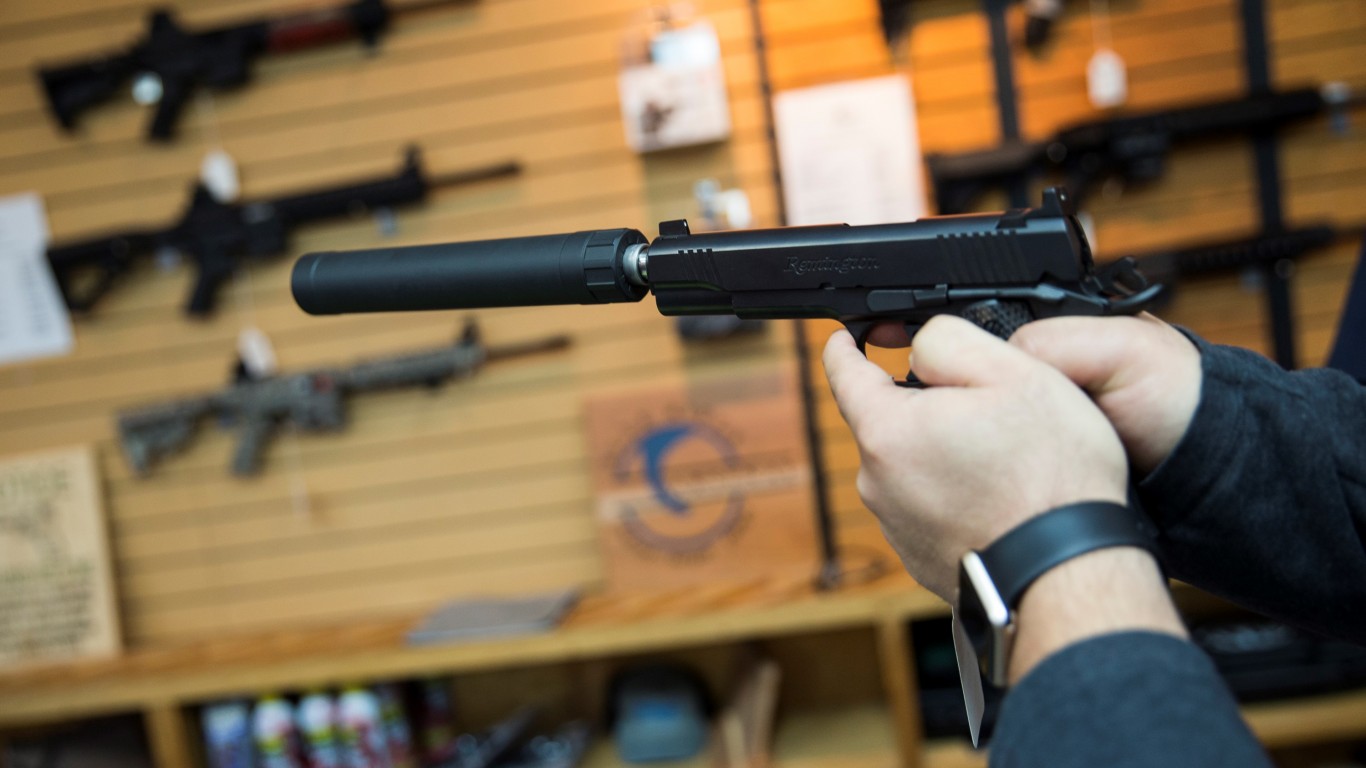
Interestingly, while silencers on weapons like pistols are not outright banned in the US, they are heavily regulated under the NFA. To own one, you must undergo an approval process, undergo a background check, and pay the appropriate tax.
10. Sawed-Off Shotgun
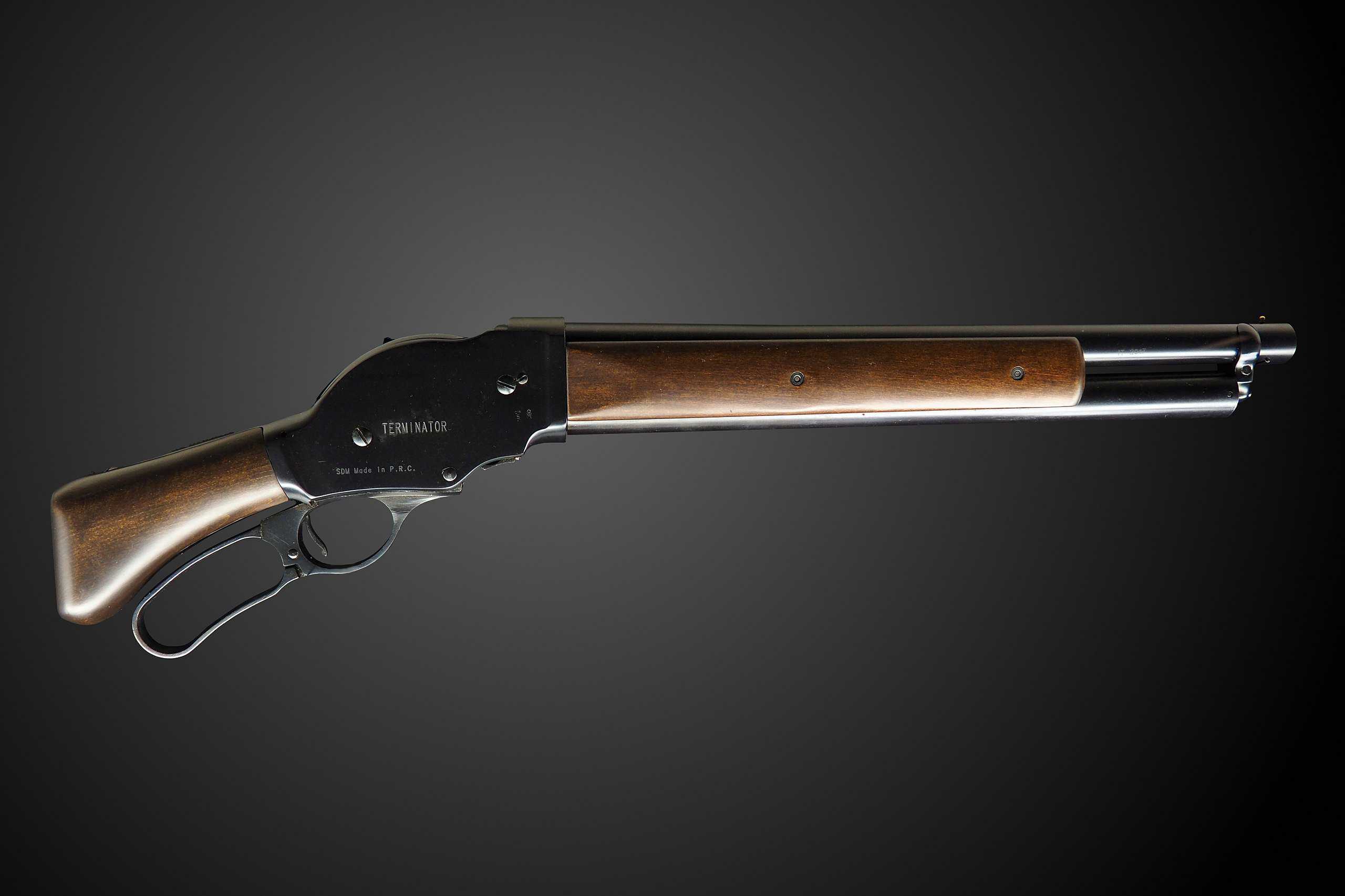
It might come as a surprise to learn that owning a sawed-off shotgun in the US is perfectly legal as long as you pay the appropriate tax to the Bureau of Alcohol, Tobacco, and Firearms. The NFA prohibits shotguns with a barrel under 18 inches, so you must register the weapon to maintain legal possession.
9. Stun Gun
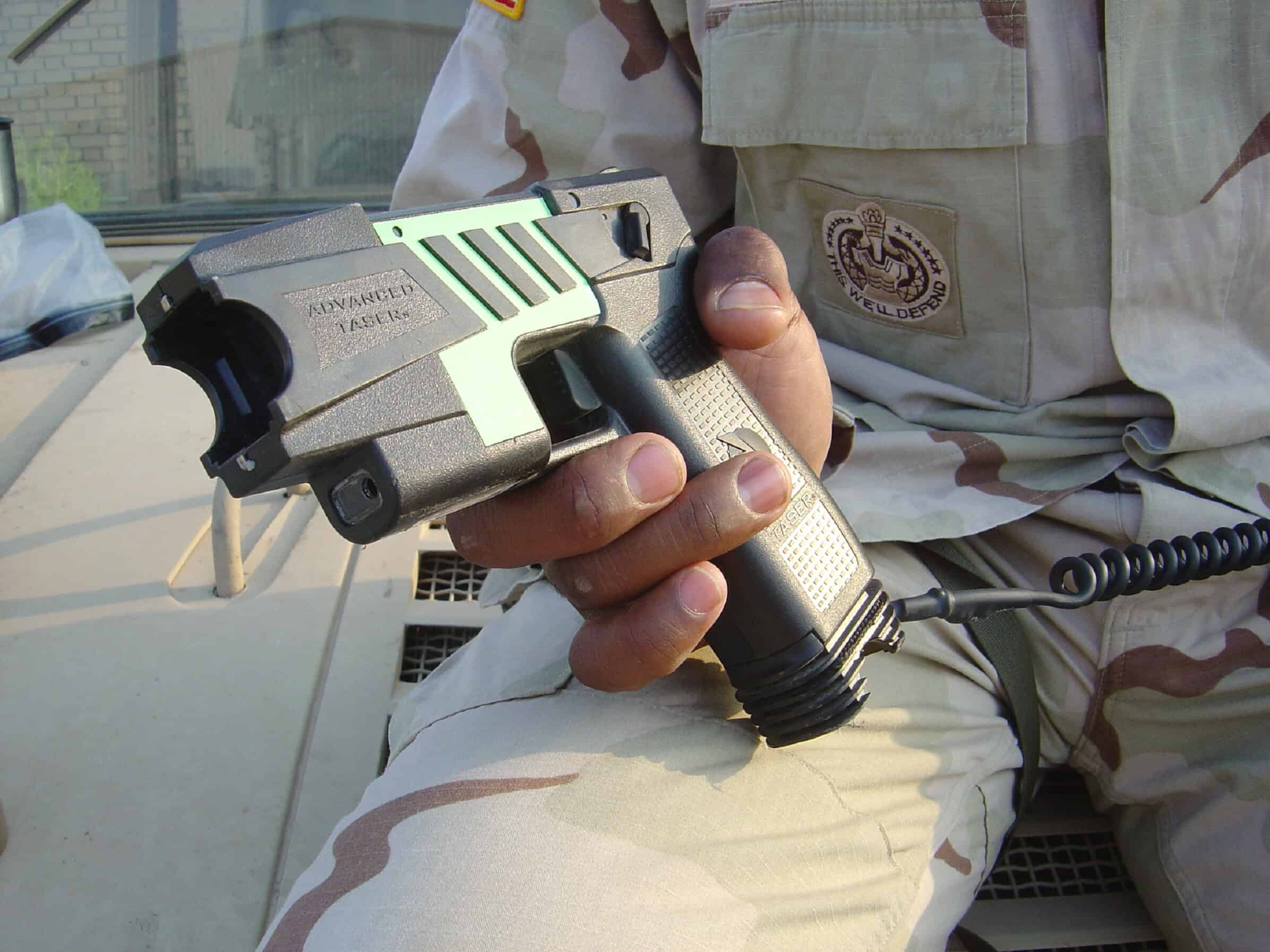
You can own a stun gun across the US as long as you are 18 years of age and only plan to use it in self-defense. In states like Florida, ownership of a stun gun is a felony if you have previously been convicted of a crime; otherwise, there are few restrictions outside of not taking it into a school or airport.
8. Katana Blades

One weapon that frequently comes around ownership is the katana blade, which you can own in the US. The only caveat is that if you purchase one in Japan, it requires legal paperwork to import; otherwise, ownership is lawful, with some restrictions on carrying it in public in some states. The same goes for short knives like switchblades, which are generally legal in most states.
7. Tanks
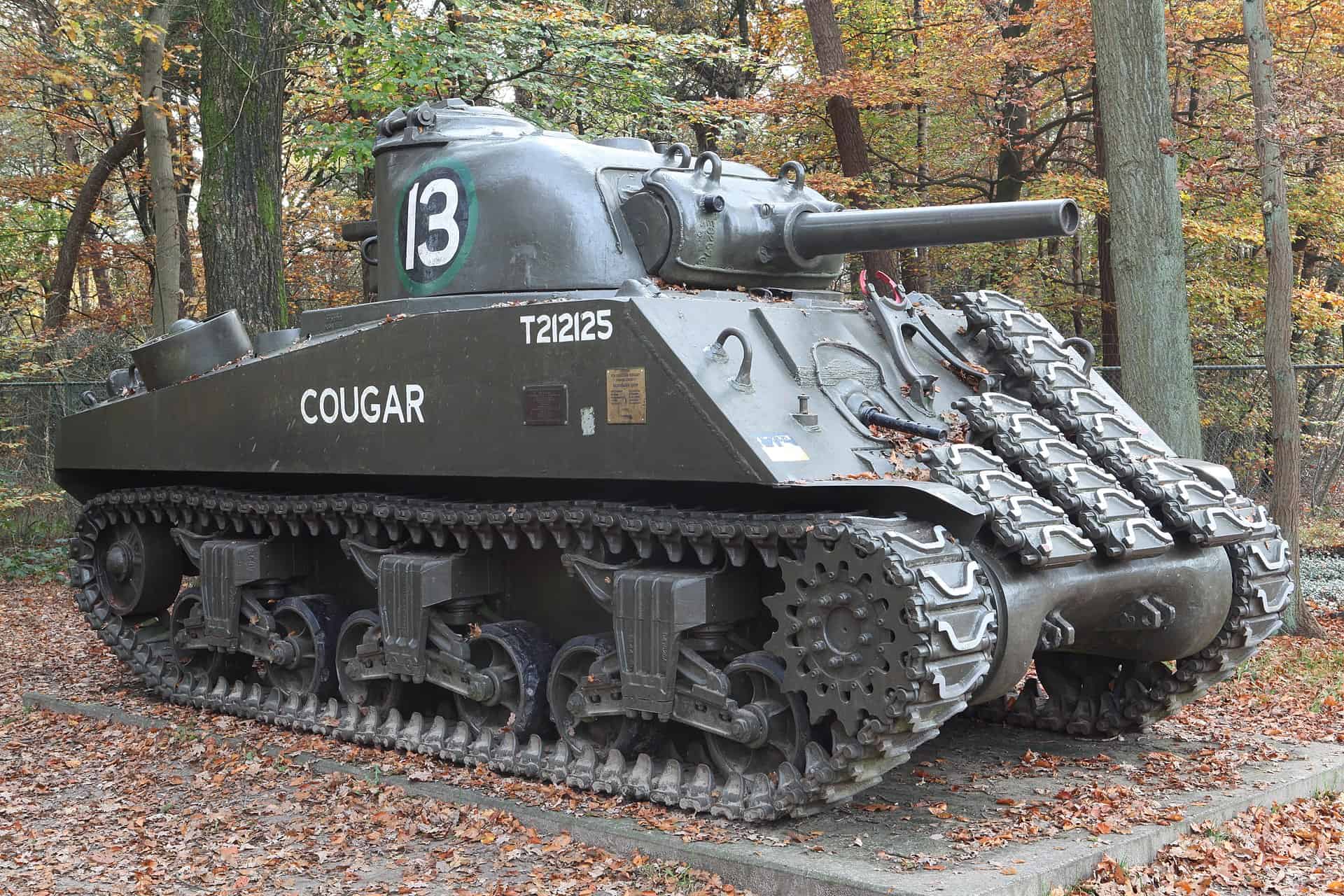
Private citizens in the US can own a decommissioned tank, albeit with some caveats. First and foremost, the main gun has to be disabled, and, of course, the tank cannot be currently in active service. However, if you have a “Destructive Device” permit, you can own a fully functioning tank, though these permits are notoriously difficult for private citizens.
6. Grenade Launcher

While the NFA classifies a grenade launcher as a “destructive device,” you can still own one, assuming you have the permits, passed a background check, and purchased through legal means. Firing a grenade launcher might be more questionable and is not recommended.
5. Machine Gun

Ownership of a machine gun in the US is interesting as it is legal and illegal. Per the NFA, federal law prohibits the ownership of machine guns manufactured after May 19, 1986. However, machine guns manufactured after this date can be transferred to a new owner pending approval by the ATF.
4. Brass Knuckles

Somewhat ambiguous at the ownership level, multiple states prohibit ownership of brass knuckles. California, Florida, Illinois, Michigan, New Jersey, New York, and Pennsylvania are some states where you cannot own brass knuckles. Brass knuckles are more famous in movies than in real life, but they can be carried for self-defense.
3. Flamethrowers

While Flamethrowers are banned in California, you can surprisingly own one in most states. States like Texas, Florida, and New York permit ownership without specialized documents or licenses. Legal ownership became a central topic after Elon Musk’s The Boring Company sold a flamethrower online.
2. U.S. Rocket Launcher (Bazooka)
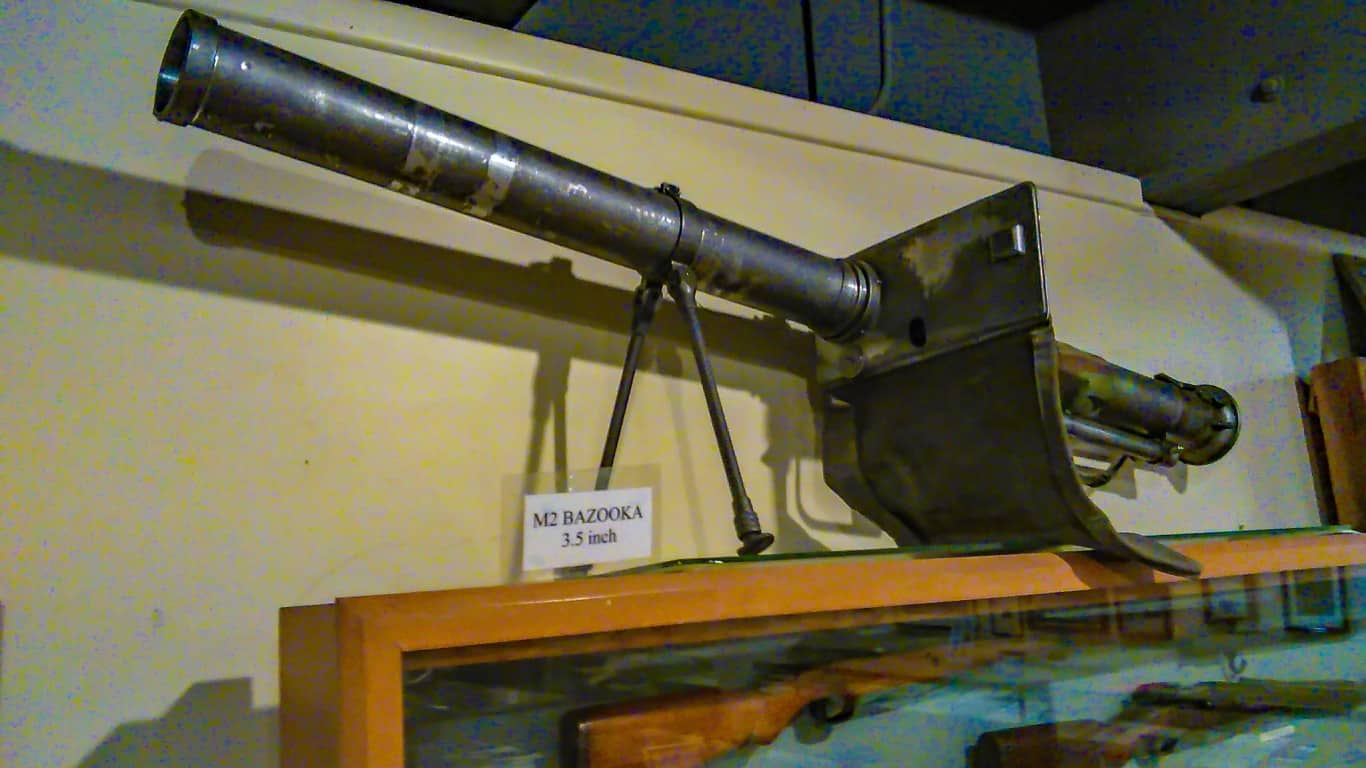
If you have been considering buying a Bazooka or a U.S.-made Rocket Launcher in your state, the good news is that you likely can. As with many weapons on this list, it just requires a $200 transfer tax, completing some forms, and you can own this weapon.
1. Cannon

According to the National Firearms Act, amended in 1934, you can surprisingly own a cannon in America. So long as it was manufactured before 1898 and is a muzzle-loading model, you must pay a $200 tax stamp, fill out forms, and ownership is perfectly legal under federal law.
Contact [email protected] for any questions or corrections.
David Beren has been a Flywheel Publishing contributor since 2022. Writing for 24/7 Wall St. since 2023, David loves to write about topics of all shapes and sizes. As a technology expert, David focuses heavily on consumer electronics brands, automobiles, and general technology. He has previously written for LifeWire, formerly About.com. As a part-time freelance writer, David’s “day job” has been working on and leading social media for multiple Fortune 100 brands. David loves the flexibility of this field and its ability to reach customers exactly where they like to spend their time. Additionally, David previously published his own blog, TmoNews.com, which reached 3 million readers in its first year. In addition to freelance and social media work, David loves to spend time with his family and children and relive the glory days of video game consoles by playing any retro game console he can get his hands on.