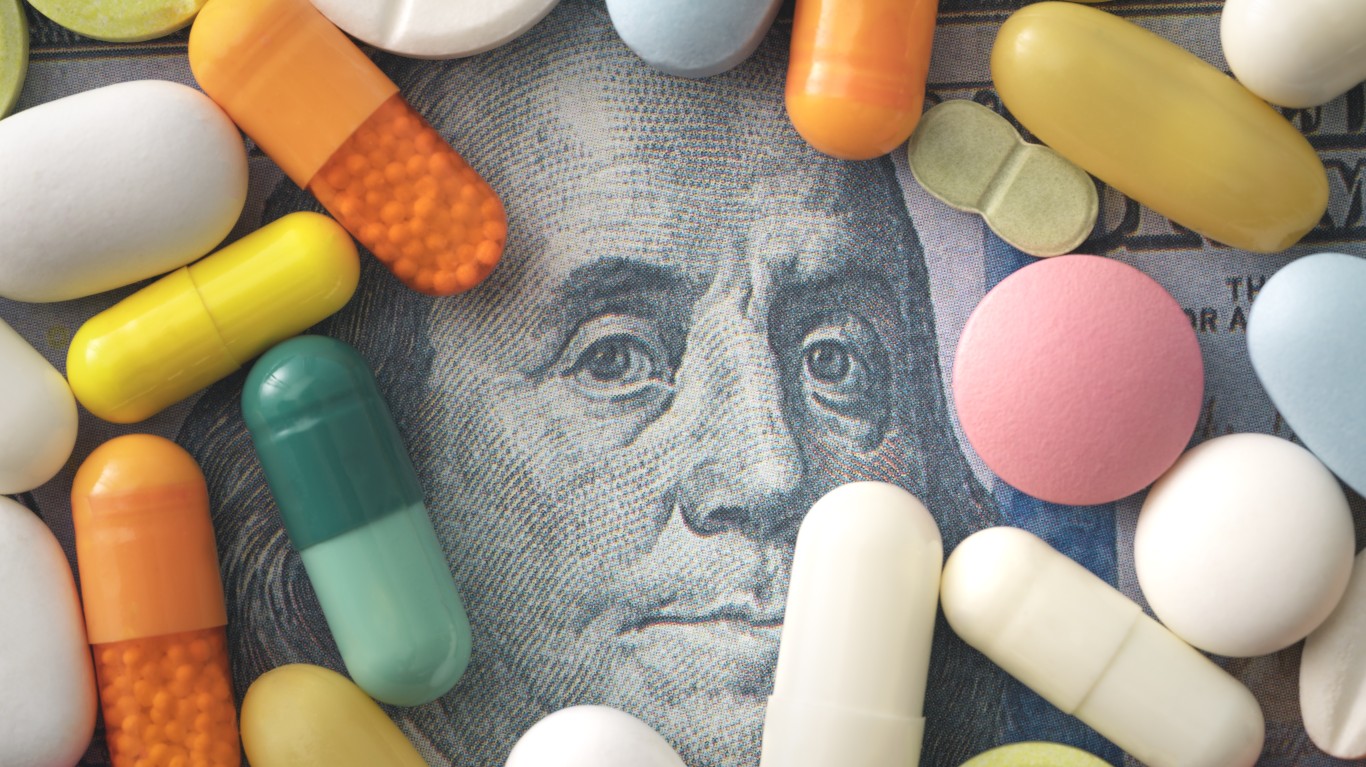
Study: Health Care Costs Worry Americans More Than Any Other Financial Problem
As the cost of U.S. health care services and medications continue to grow at an alarming pace, Americans are now more likely to cite health care costs at their top financial problem, according to a Gallup poll released Thursday. The…


As the cost of U.S. health care services and medications continue to grow at an alarming pace, Americans are now more likely to cite health care costs at their top financial problem, according to a Gallup poll released Thursday.
The results of the survey shows that 17% of respondents cited health care costs as “the most important financial problem” facing their families, followed by “lack of money/low wages” (11%), college expenses, cost of housing, and taxes (8% each).
This reaction may not be a surprise considering that the U.S. is the world leader among countries spending the most on public health.
Since 2005, Gallup has asked this question in 48 different surveys, and only three issues have topped the list in each poll: healthcare costs, lack of money/low wages, and high energy costs. But since gasoline prices have retreated from their peak of over $4 per gallon on average in 2008, energy prices have fallen almost completely off the list of concerns, leaving health care and lack of money/low wages as Americans’ most cited financial problems.
The cost of health care has skyrocketed over the past two decades. Department of Labor data compiled by University of Michigan economics professor Mark Perry shoes that the cost of hospitalization has grown more than 200% from 1998 to 2018 while the growth of other medical care costs has topped 120% in the same period of time.
In addition to basic health care services, the country is facing major public health issues, including an epidemic of opioid abuse, a rash of food-borne illnesses and a measles outbreak fuelled by the spread of misinformation on social media. Furthermore, as people live longer, the country faces major challenges in covering rising costs of long-term and end-of-life care.
Meanwhile, pharmaceutical manufacturers have been consistently raising their U.S. prices, not just for new drugs to treat rare conditions but also for medications used to treat common medical conditions such as asthma and high cholesterol.
U.S. consumers have been beating the drums about the alarming rise in the cost of life-extending health care services, but so far the federal government has had almost no impact on pharmaceutical price hikes. Because other countries are less lenient on pharmaceutical price policies, U.S. consumers pay far higher prices for top-selling medication than in comparable capitalist economies.
Last year, Americans borrowed $88 billion to help pay these expenses and states are spending huge portions of their budgets tending to the physical and mental well-being of their citizens. This is exactly how much each state spends on its residents’ health.
Contact [email protected] for any questions or corrections.
Hristina Byrnes is the editor of 247Tempo.com, where she handles the site's assignments and editing. She holds a master's degree in journalism from Columbia University, which she earned in 2012, and she specializes in translating complex health data research into engaging, accessible stories for a general audience.
When she's not poring over the latest data sets or brainstorming story ideas, you can find Hristina watching tennis, playing tennis with her son, or trying to get her daughter into tennis.