The Cities Where Home Prices Are Most Likely to Fall
Three U.S. housing markets have a probability of price declines of up to 50% over the next 12 months.

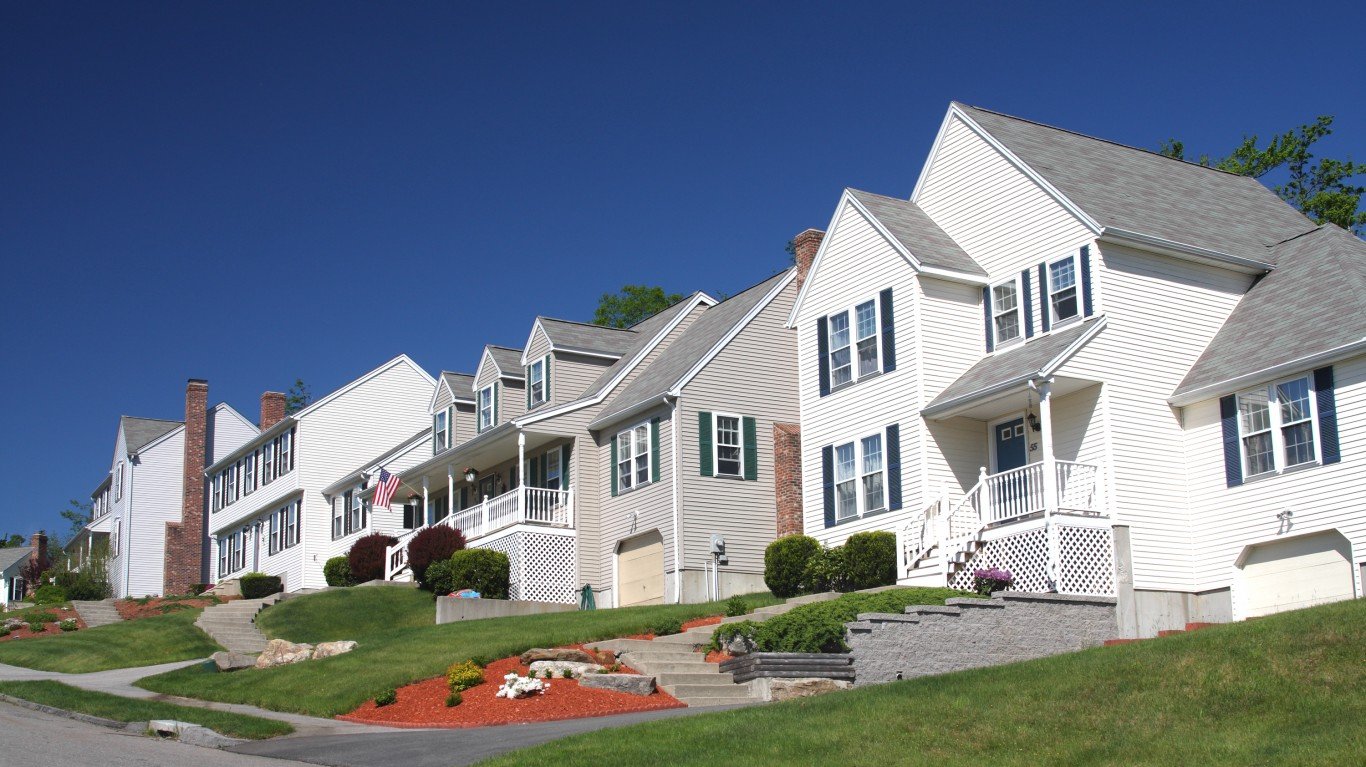
With few exceptions, the U.S. residential real estate market has been in extremely good shape the entire year. Low mortgage rates are one reason, as are a “working from home” population that has fled America’s large coastal cities for smaller ones with better lifestyles and firm income levels among middle-class and upper-class buyers.
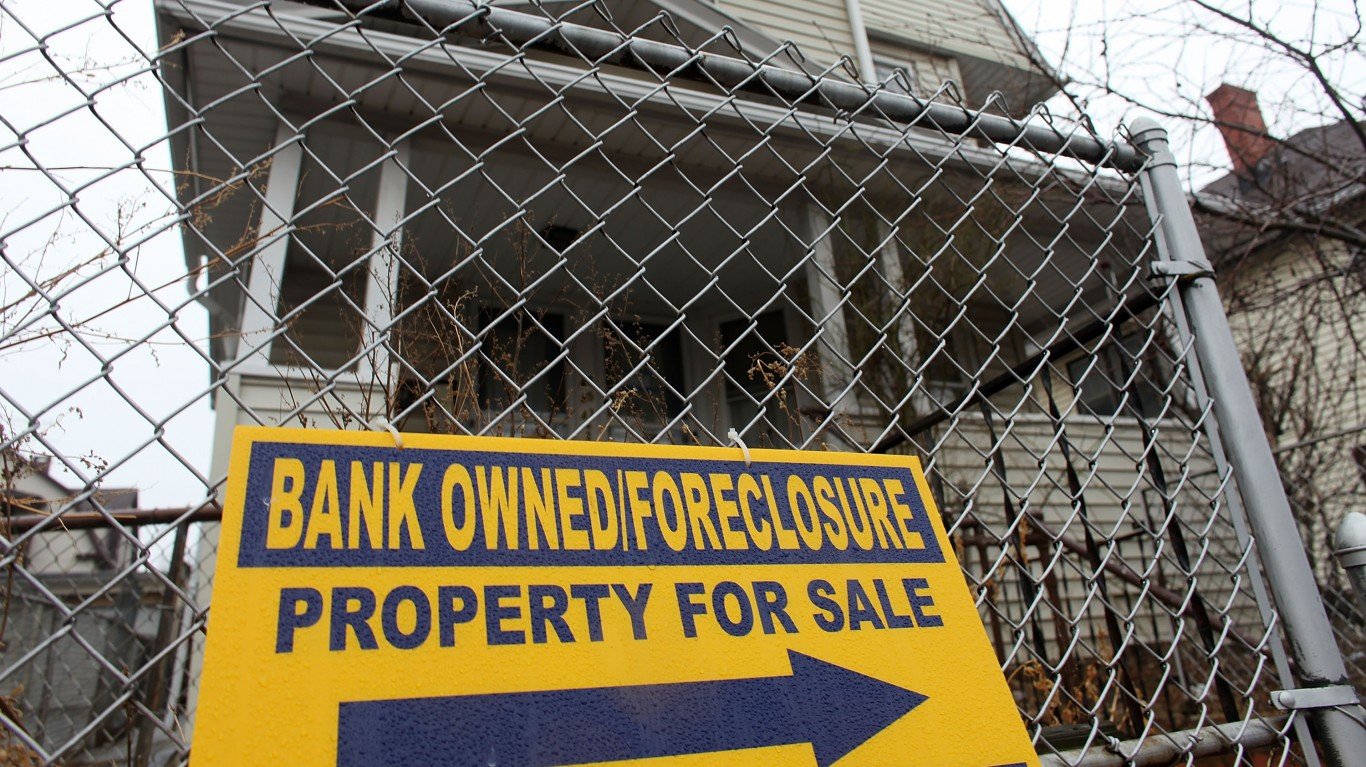
The contrast to the 2007/2008 end of the housing bubble could barely be more significant. In some metropolitan areas, home prices dropped by over a third. Foreclosures surged, particularly on variable-rate mortgages. Tens of billions of dollars of home equity disappeared. It was among the primary causes of the Great Recession.
Several companies cover real estate prices on a monthly basis at the state, county and city levels. The consensus among these is that real estate prices have risen by over 10% every month this year, compared to the same month a year ago. In several markets, that number has topped 15%. The demand for real estate has been so great that inventory has started to drop, and this has triggered an even larger surge in what Americans have to pay to own a new home.
This nearly unprecedented health of the American real estate market does have cracks. The CoreLogic Home Price Insights report for May shows that not all U.S. housing markets are healthy. The CoreLogic research includes a section titled “Markets to Watch: Top Markets at Risk of Home Price Decline.” Its primary yardstick is the relationship between price increase and affordability.
Three markets have a probability of price declines of between 25% and 50% over the next 12 months. CoreLogic’s degree of confidence that these calculations are correct is 75%. The drops could be fairly small.
Two of the markets, Springfield and Worcester, Massachusetts, are geographically close together. The third market is Chico, California.
Click here to see the city where home prices are rising the fastest.
Contact [email protected] for any questions or corrections.
Douglas A. McIntyre is the co-founder, chief executive officer and editor in chief of 24/7 Wall St. and 24/7 Tempo. He has held these jobs since 2006.
McIntyre has written thousands of articles for 24/7 Wall St. He is an expert on corporate finance, the automotive industry, media companies and international finance. He has edited articles on national demographics, sports, personal income and travel.
His work has been quoted or mentioned in The New York Times, The Wall Street Journal, Los Angeles Times, The Washington Post, NBC News, Time, The New Yorker, HuffPost USA Today, Business Insider, Yahoo, AOL, MarketWatch, The Atlantic, Bloomberg, New York Post, Chicago Tribune, Forbes, The Guardian and many other major publications. McIntyre has been a guest on CNBC, the BBC and television and radio stations across the country.
A magna cum laude graduate of Harvard College, McIntyre also was president of The Harvard Advocate. Founded in 1866, the Advocate is the oldest college publication in the United States.
TheStreet.com, Comps.com and Edgar Online are some of the public companies for which McIntyre served on the board of directors. He was a Vicinity Corporation board member when the company was sold to Microsoft in 2002. He served on the audit committees of some of these companies.
McIntyre has been the CEO of FutureSource, a provider of trading terminals and news to commodities and futures traders. He was president of Switchboard, the online phone directory company. He served as chairman and CEO of On2 Technologies, the video compression company that provided video compression software for Adobe’s Flash. Google bought On2 in 2009.