When Renting a Home Actually Makes More Financial Sense
Buying a home is perceived as the ultimate financial goal, but homeownership isn’t always the smartest choice. Depending on your circumstances, renting can be the best option. It can save money, lower stress, and offer flexibility. While owning a home…

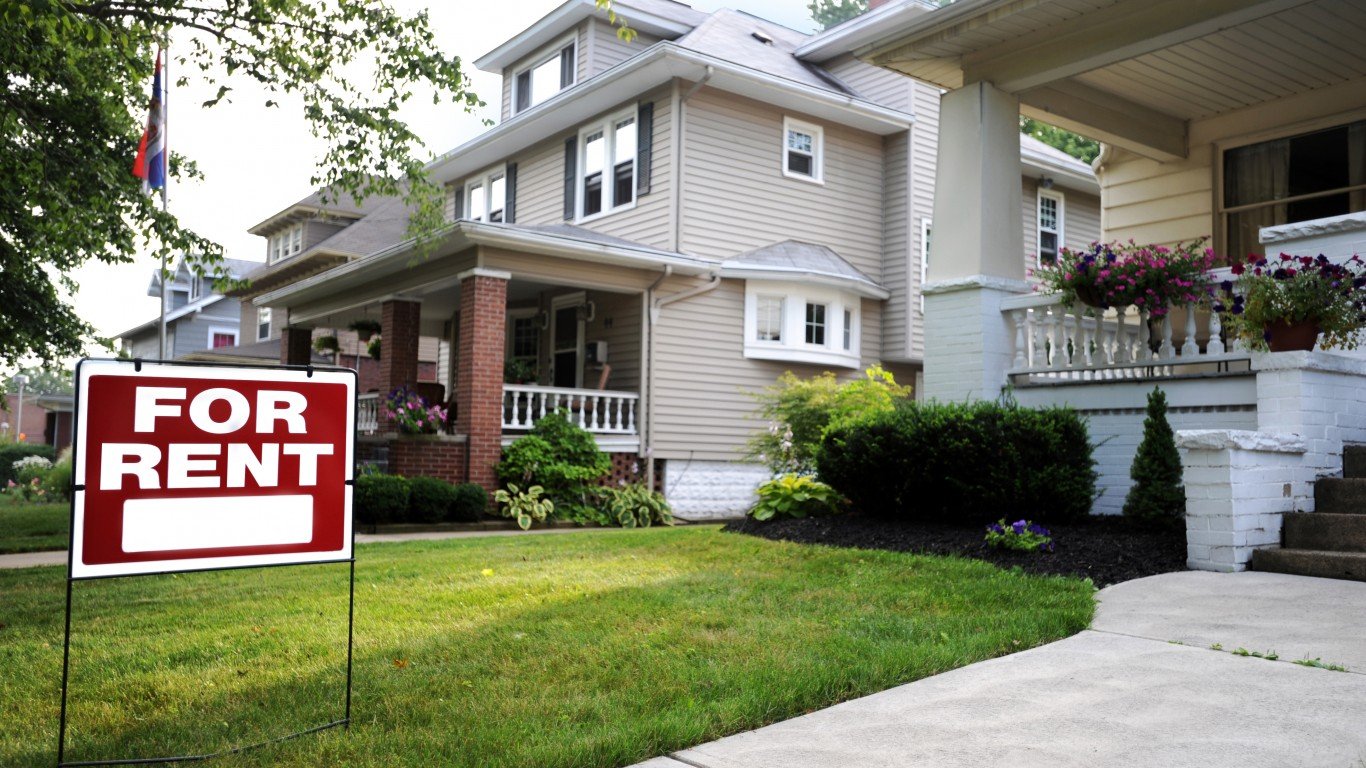
Buying a home is perceived as the ultimate financial goal, but homeownership isn’t always the smartest choice. Depending on your circumstances, renting can be the best option. It can save money, lower stress, and offer flexibility. While owning a home tends to be seen as more valuable, mainly because it builds equity, this isn’t always the case. Homeownership also comes with expenses and responsibilities that people easily underestimate. In certain situations, renting may be the stronger financial move. Here are some times when renting makes more financial sense than buying.
1. You Plan to Move Within a Few Years
Buying a house comes with major upfront costs, including closing costs, inspections, loan fees, and moving expenses. If you sell after only a couple of years, you will almost certainly not own enough equity to recover those costs. Realtor commissions and other one-off selling expenses further reduce proceeds. If you aren’t sure you want to live in a specific area, or you plan to relocate within a year or two, renting makes more sense. It gives you the freedom to make decisions at your own pace and move without worrying about selling a property.
2. You Don’t Have a Solid Emergency Fund
Owning a house means unexpected expenses can (and almost certainly will) appear at any time. A leaking roof, broken air conditioner, or busted water heater can cost thousands of dollars with little-to-no warning. Without an emergency fund, homeowners can quickly wind up in debt. One perk of renting is that renters do not have to pay for maintenance costs. Beyond housing costs, plenty of other emergencies can arise, such as medical events. If all your money is tied up in a house, you won’t be able to cover these unexpected expenses without going into more debt. Building your savings first can make homeownership far less stressful later.
3. Home Prices Are Extremely High Compared to Rent
In some markets, monthly mortgage payments can be dramatically higher than the cost of renting a similar home. Even after accounting for future equity and appreciation, the numbers may not work in your favor for many years. Property taxes, homeowners’ insurance, maintenance, and association fees should all be factored into this overall cost of ownership. Disciplined renters can invest the difference each month instead. Depending on investment returns and housing prices, that strategy can sometimes lead to greater long-term wealth.
4. Your Job Situation Is Uncertain
If your job feels unstable in any way, it is likely not a good time to buy. If you think you may soon change careers, relocate, or face uncertain income, renting offers valuable flexibility. No one wants to be forced to sell a home under pressure, which generally means accepting a lower price. Renters have fewer financial obligations when sudden moves are necessary. Staying flexible can make it much easier to go after new opportunities, even those in a different region of the country. Waiting until your career is more stable before purchasing is the better financial decision.
5. You Want Predictable Monthly Housing Costs
Although rent can increase by a certain percentage when a lease is renewed, homeowners face many more unpredictable expenses that can occur at any moment throughout the year. Repairs, pest control, appliance replacements, and rising property taxes are all areas where costs can quickly stack up. Many of these costs come up unexpectedly and require immediate action. A major advantage of renting is knowing exactly what you’ll pay each month. This stability and predictability make budgeting much easier. It is especially nice for families working toward financial goals.
6. You’d Rather Invest the Difference
Buying a home more often than not requires a big down payment that could otherwise be invested. While home equity is a traditional way to build wealth, it is not the only way. Diversified investments can offer strong long-term returns and generally lead to greater flexibility. Renting can free up additional money each month to put toward retirement accounts or other investments or savings goals. Of course, this strategy only works if you are disciplined enough to consistently invest the savings rather than spend them. For committed savers, renting can be part of a very successful financial plan.
7. You Don’t Want the Cost of Maintenance
First-time buyers drastically underestimate how expensive home maintenance can be. Experts recommend budgeting around 1% to 2% of a home’s value each year for repairs and general upkeep. Of course, specific costs vary. Over time, expenses are unavoidable, with roof replacement and plumbing repairs being some of the costliest. Renters can simply report such issues to the landlord and avoid these major costs entirely. That can make renting significantly less expensive, especially with older buildings and homes.
8. You Value Flexibility More Than Ownership
Homeownership can provide stability, but this can come at the cost of flexibility. Owning makes it harder to change locations quickly. Renting allows people to move much more conveniently. Reasons for relocating are many, such as getting a new job in a different city, needing to care for aging family members, or simply wanting to try living in a different state. Renters can make these decisions without the financial obligation of selling property. For many people, that flexibility has real value beyond homeownership. It can create opportunities that otherwise would be too difficult to pursue. For some, freedom is worth more than owning real estate.
Contact [email protected] for any questions or corrections.