Should we sell our paid-off home and downsize? My wife says yes, but I’m not so sure
Older couples often face the dilemma of what to do with their larger homes once their children have moved out. Today, let's look at a hypothetical scenario and how to approach this common financial crossroad. Meet Lisa and Mark, a…

This post may contain links from our sponsors and affiliates, and Flywheel Publishing may receive compensation for actions taken through them.

Older couples often face the dilemma of what to do with their larger homes once their children have moved out. It is one of the most consequential financial decisions a household can make as retirement approaches, and the stakes on both sides are real.
Today, let’s look at a hypothetical scenario and how to approach this common financial crossroad.
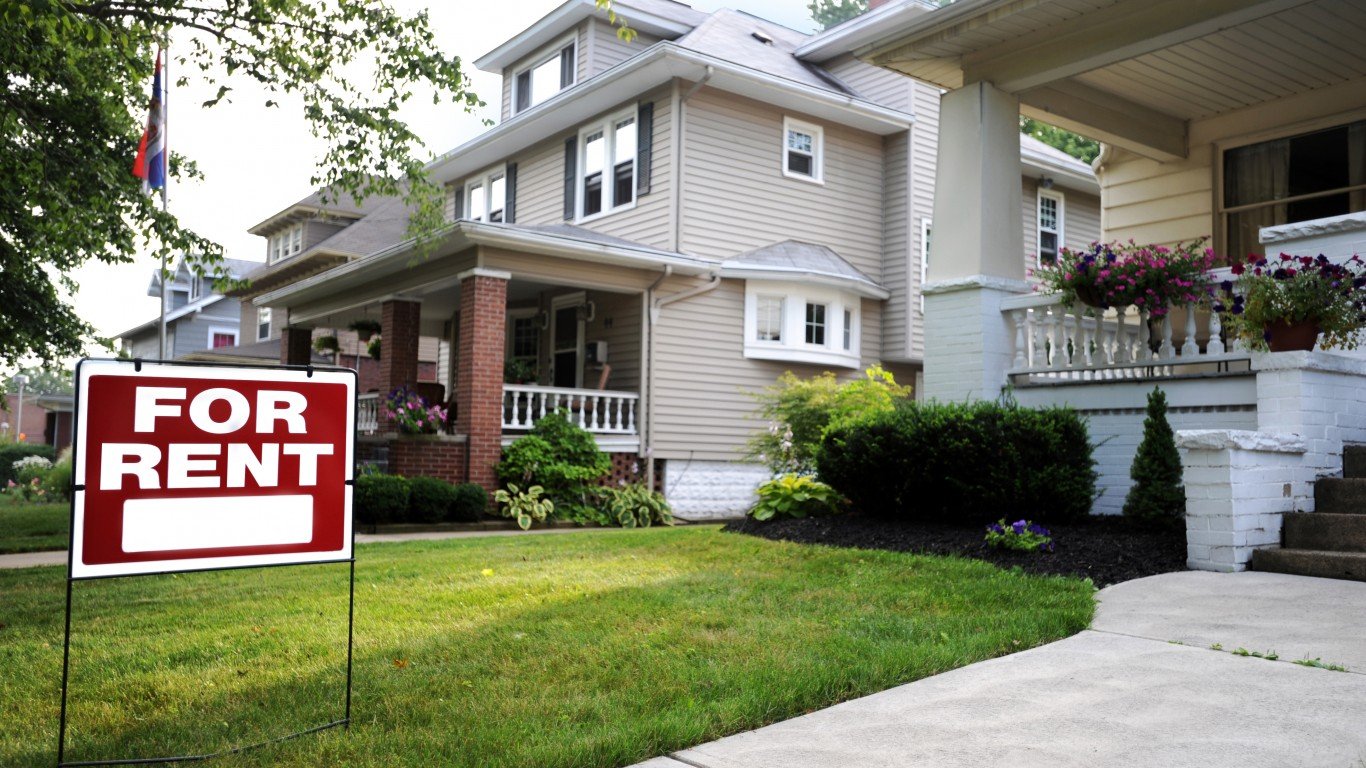
Meet Lisa and Mark, a couple in their mid-50s preparing to retire within the next few years. They have built a solid retirement portfolio, but their living situation has become a source of friction. Lisa wants to sell their paid-off 4,000-square-foot home, now that their two kids are off to college, and downsize to a smaller apartment. Her idea is to bank the proceeds, invest them, and use the extra cash to retire sooner and travel more.
Mark is resistant. He believes that renting is rarely smart, and he is concerned about giving up a fully paid-off asset in favor of leasing something smaller. He feels more secure staying in a home they own outright, even if it means delaying retirement a bit longer.
Both positions are understandable. Here is how Lisa and Mark might think through the decision from each side, and where a middle path might lie.
1. The Case for Selling and Renting (Lisa’s Perspective)

Lisa sees selling their large home as an opportunity to unlock wealth that is currently tied up in the property while gaining far more flexibility in retirement. Here are the key reasons she feels strongly about downsizing and renting:
- Unlocking Home Equity:
Their home has appreciated significantly over the years, and selling it would free up a large sum even after taxes and transaction costs. The August 2026 ICE Mortgage Monitor found that U.S. mortgage holder equity has climbed to a record $18 trillion, with roughly $11.7 trillion considered tappable and the average homeowner holding about $212,000 in accessible value. That is a substantial pool of capital that can be redirected into a diversified retirement portfolio capable of generating ongoing income. - Retiring Sooner:
By selling and investing the proceeds, they could likely retire sooner without leaning so heavily on savings alone. The lump sum from the sale would provide more financial flexibility, potentially funding more travel and experiences in the early retirement years when they are most active and healthy. - More Freedom and Flexibility:
Renting a smaller apartment means no maintenance calls, no property tax bills, and no surprise repair costs. They could move to different cities, spend extended time abroad, or relocate closer to family without the burden of a large property tying them down. That flexibility is particularly valuable in the early retirement years when many couples want to explore. - Right-Sizing Their Living Space:
A 4,000-square-foot home carries real ongoing costs. According to Bankrate’s 2025 Hidden Costs of Homeownership Study, the average single-family homeowner spends more than $8,800 per year on maintenance alone, and total hidden ownership costs (property taxes, insurance, utilities, and maintenance) now average $21,400 per year nationwide. Downsizing to a smaller home or apartment would cut a significant portion of that overhead.
2. The Case for Staying and Owning (Mark’s Perspective)
Mark takes a more conservative view. He feels strongly that owning outright is better than renting, especially when the home carries no mortgage. Here is why he prefers to stay:
- Home Ownership Is Security:
Mark sees their paid-off home as a stable asset that provides real financial security. Without a mortgage payment, they do not have to worry about rising rents, landlord decisions, or being forced to move. Staying in the home means a predictable cost structure, and that matters in retirement. A recent Redfin analysis found that 57.8% of baby boomer homeowners are already mortgage-free, a position that meaningfully lowers their monthly expenses compared to renting or carrying a new loan. - Appreciation Potential:
The home has appreciated greatly over the years, and Mark believes it could continue to rise in value. Selling now might mean missing out on future gains. Home values have climbed roughly 50% since 2020 nationally, and while the pace of appreciation has slowed, real estate remains a meaningful long-term wealth builder in most markets. - Emotional Attachment:
Mark has a deep emotional connection to the home. It is where they raised their kids, and it holds sentimental value that does not show up on any balance sheet. A 2024 AARP survey found that 75% of Americans aged 50 and over have a strong preference for staying in their current home as they age. Moving to a smaller rental apartment can feel like a significant lifestyle step down, and that psychological cost is worth acknowledging seriously. - Renting Carries Its Own Risks:
Mark is concerned that renting exposes them to unpredictable cost increases over time. According to ATTOM’s 2024 property tax analysis, the average single-family home tax bill reached $4,172 in 2024, up 2.7% from 2023. Rent prices in competitive urban markets can climb just as fast, sometimes faster, with far less notice and no opportunity to build equity in return. With ownership, they retain more control over their cost trajectory.
3. Financial Considerations for Both Sides
Both perspectives have merit, and Lisa and Mark need to weigh the full financial picture before committing either way. Here is what they should examine:
- How Much Would They Net from Selling?
The first step is a realistic market assessment from a real estate agent to determine net proceeds after selling costs. Zillow estimates that sellers should budget roughly 8% to 10% of the sale price for transaction costs, including agent commissions, repairs, staging, and closing. Once they know their likely net, they can run projections on how much income a diversified portfolio might generate from those proceeds. - Tax Implications:
The IRS allows married couples filing jointly to exclude up to $500,000 in capital gains on the sale of a primary residence (the exclusion is $250,000 for single filers), provided they have lived in the home for at least two of the past five years. If their appreciation exceeds that threshold, they will owe capital gains taxes on the excess. A tax advisor can help model the after-tax proceeds before they commit to anything. - Cost of Renting vs. Staying:
They also need to compare the full cost of renting a smaller apartment against the true cost of staying in their current home. Renting means monthly rent, utilities, and potential annual increases. Staying means property taxes, homeowners insurance, maintenance, and utilities for a 4,000-square-foot property. A side-by-side, 10-year projection tells a clearer story than any monthly snapshot can. - Investment Returns on the Proceeds:
If they invest the after-tax proceeds from the sale in a diversified portfolio, those assets can generate returns that may, over time, outpace the appreciation of their home and provide reliable income. This is a genuine financial argument in Lisa’s favor, particularly if home equity is currently the largest and least liquid piece of their net worth.
4. Compromise: What If They Split the Difference?
There may be a middle path that satisfies both Lisa and Mark. A few options worth considering:
- Renting for a Trial Period:
Instead of selling immediately, they could rent out their current home for a year or two while renting a smaller apartment themselves. This allows them to test whether a downsized lifestyle suits them, earn rental income to offset apartment costs, and keep their options open before making an irreversible decision. - Downsize to a Smaller Owned Property:
Another path is to sell their current home and buy a smaller house or condo rather than renting. This preserves the ownership security Mark values, frees up equity for retirement income, and reduces the ongoing maintenance burden of a large property. The NAR’s 2025 Profile of Home Buyers and Sellers found that downsizing to a smaller home was among the top reasons cited by older buyers, reflecting how common this transition is for couples in exactly their situation. That said, limited inventory of affordable smaller homes in many markets can make this path harder to execute than it appears.
Big Decisions Deserve a Real Plan
The decision to downsize, rent, or stay carries long-term consequences for Lisa and Mark’s retirement. Working with a fee-only financial planner who can model multiple scenarios across their full asset picture is a practical next step. A good planner will account for projected investment returns, rental cost inflation, the tax impact of selling, and how much income they will actually need to fund their desired retirement lifestyle.
Both Lisa and Mark are coming from reasonable places. Downsizing and renting offers flexibility, a larger invested portfolio, and fewer ownership headaches. Staying in their paid-off home offers stability, no rent exposure, and the emotional continuity that matters deeply to both of them. Neither answer is wrong. The right answer is the one that aligns their financial goals with the retirement they actually want to live.
Editor’s note: This article was updated to reflect the August 2026 ICE Mortgage Monitor showing U.S. mortgage holder equity has reached a record $18 trillion (with $11.7 trillion tappable and an average of $212,000 per borrower), the ATTOM 2024 property tax analysis showing the average single-family home tax bill reached $4,172 (up 2.7% from 2023), and updated Redfin data showing 57.8% of baby boomer homeowners are now mortgage-free.
Contact [email protected] for any questions or corrections.