What Buyers and Sellers Should Expect to Pay at Closing
Closing costs can quietly add thousands of dollars to a real estate transaction, and showing up unprepared to sign can cost you more than you bargained for. Knowing which fees fall on your shoulders before you reach the closing table…

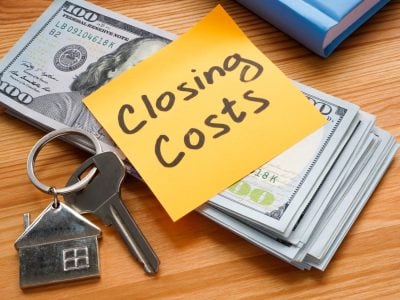
Buying or selling a house comes with dozens of costs beyond just the price of the property. These fees can be downright overwhelming, at a time when you likely already have your hands full with packing and relocating. One of the biggest things people forget about is closing costs. This assortment of fees and expenses needs to be paid before the keys change hands. Every real estate transaction can be a bit different, and many of these fees can be negotiated as part of the purchase. That being said, some costs are typically handled by either the seller or the buyer. It’s good to be aware of what you will likely have to pay before showing up to sign a contract.
Closing Costs Sellers Usually Pay
The seller is usually responsible for costs related to transferring ownership and cleaning the property for the new buyer moves in. Some common seller expenses include:
Real Estate Commission
One of the largest costs is paying the real estate agents involved in the entire process. The way this works has changed fairly recently. The seller generally negotiates compensation with their own listing agent, while buyer-agent compensation is handled separately and can vary depending on the agreement. In some deals, the seller might agree to contribute to the buyer’s agent compensation. But it’s important to remember commission rates aren’t fixed.
Owner’s Title Insurance
In many areas, sellers cover title insurance. This is intended to protect the buyer from potential future disputes associated with ownership of the property or any issues with the property’s title regarding ownership.
Preparing and Recording Documents
Sellers might need to pay fees related to preparing the deed and other necessary documents associated with the sale of the house.
Transfer Taxes and Other Local Fees
Depending on the location and circumstances, the sellers might be on the hook for certain transfer taxes, city fees, or other charges required when ownership changes hands.
Outstanding Property Costs
Before the sale is final, it is the seller’s job to take care of unpaid taxes, liens, current HOA dues, or other debts currently attached to the property.
Prorated Expenses
Some costs, like property taxes or HOA fees, are split between the buyer and seller based on the exact date the ownership changes.
Closing Costs Buyers Usually Pay
Buyers tend to handle the expenses connected to getting a mortgage and taking ownership of the home in an official capacity. These can include:
Loan and Mortgage Fees
Buyers are responsible for lender costs, including loan origination fees, appraisal fees, and other financing related charges.
Title Insurance for the Lender
As mentioned above, sellers usually cover the owner’s title policy. However, buyers pay for the lender’s title insurance policy, which is required for the mortgage.
Recording Fees
The buyer pays a small fee to file the new deed and mortgage documents with the county or local government.
Inspections and Property Evaluations
Home inspections, termite inspections, surveys, and other property checks are paid by the buyer, unless otherwise decided in the seller agreement.
Home Insurance
If financing the home, lenders will generally require homeowners’ insurance to be in place before closing. Buyers may also need to pay the first year’s premium upfront.
Taxes and Prepaid Costs
Buyers will need to cover their portion of property taxes, prepaid interest, escrow deposits, and other upfront expenses required by the specific lender.
Home Warranty
A home warranty might be included in the sale, but whether the buyer or seller pays for it depends on the contract.
Remember: Many Closing Costs Are Negotiable
This list is only a breakdown of who traditionally pays what. There is no universal rule that applies to every home sale. Buyers can typically negotiate for sellers to cover certain closing costs. In some markets, sellers can offer credits to help make the purchase more affordable for the new buyer. However, certain taxes, government fees, and lender requirements may not be negotiable. If you’re getting a mortgage, pay close attention to your Loan Estimate and final Closing Disclosure. These documents break down the loan terms and estimated closing costs. This is really helpful; you’ll be able to take a look at costs ahead of time.
Contact [email protected] for any questions or corrections.