The Kids Who Inherited a Florida Condo Say Selling It Was the Easy Part
Inheriting a Florida condo with no mortgage sounds like a windfall, but the costs that start accumulating the day of death and the association demands that can arrive before closing have turned more than a few clean inheritances into a…

This post may contain links from our sponsors and affiliates, and Flywheel Publishing may receive compensation for actions taken through them.
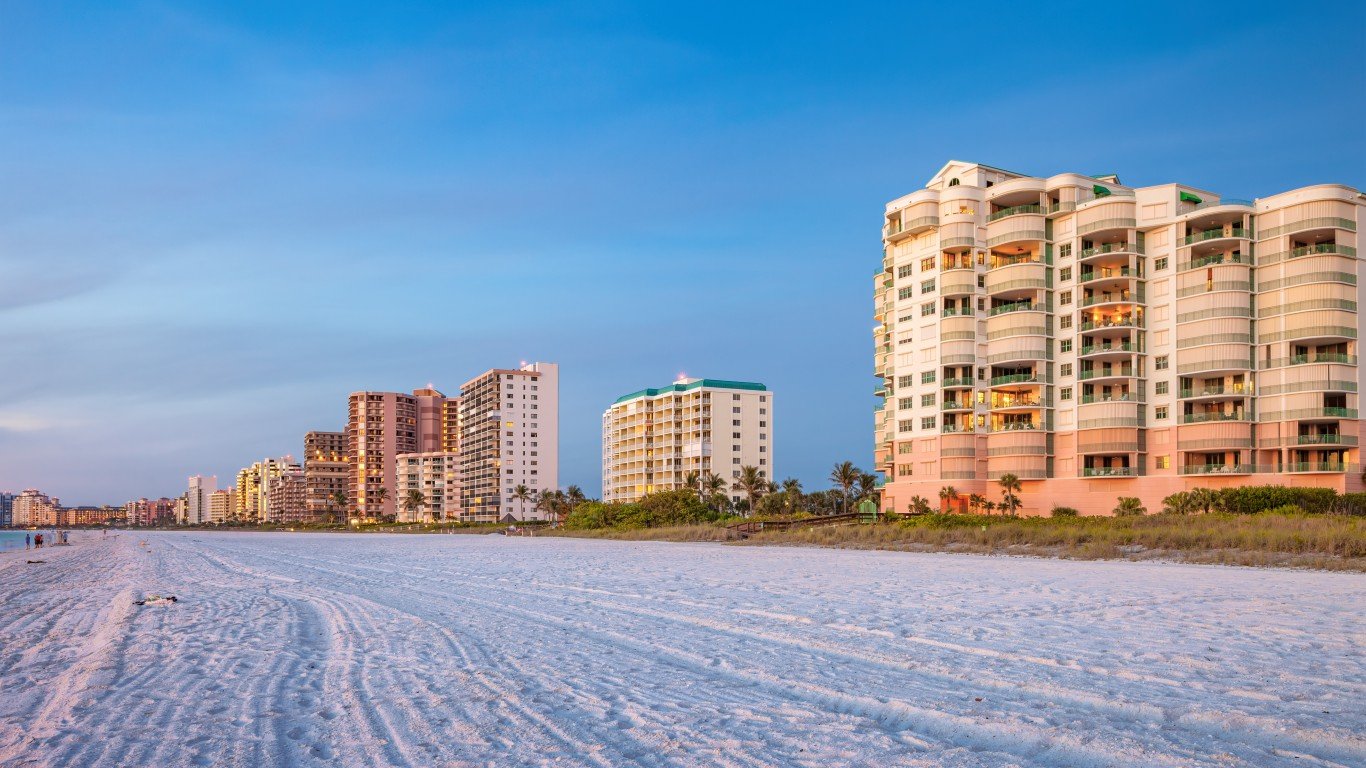
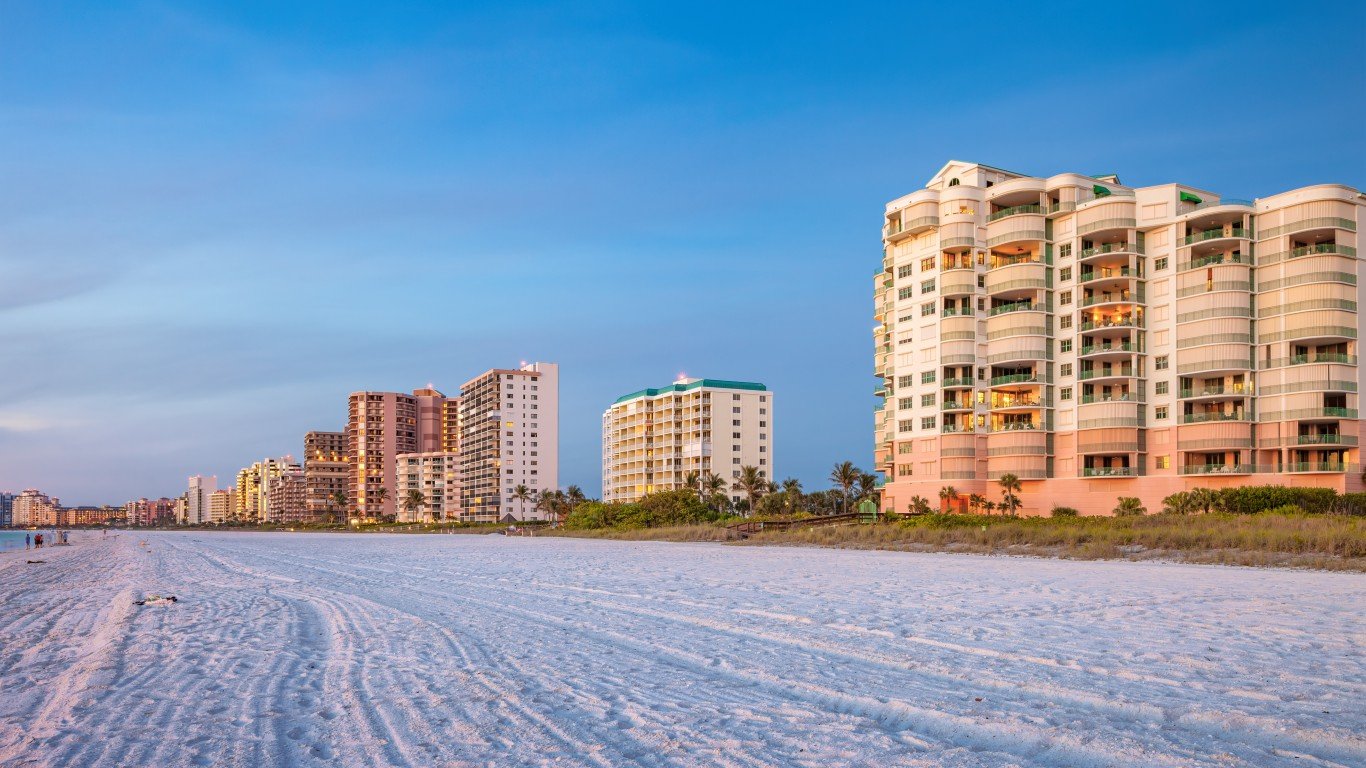
Two grown children inherit a mid-rise condo near the water, and it comes with no mortgage. They assume it will sell quickly and the proceeds will split cleanly. The real question: what happens between the funeral and closing, and what can the association demand in the meantime? This piece addresses the parent still holding the deed, because nearly every problem the children will face is one the parent can prevent now.
What the Association Can Do Before You Sell
Florida rewrote condominium rules after Surfside. Buildings that are three stories and taller now face milestone structural inspections triggered by age, and associations must commission structural integrity reserve studies for the components those inspections cover, with the ability to waive reserve funding for those items removed.
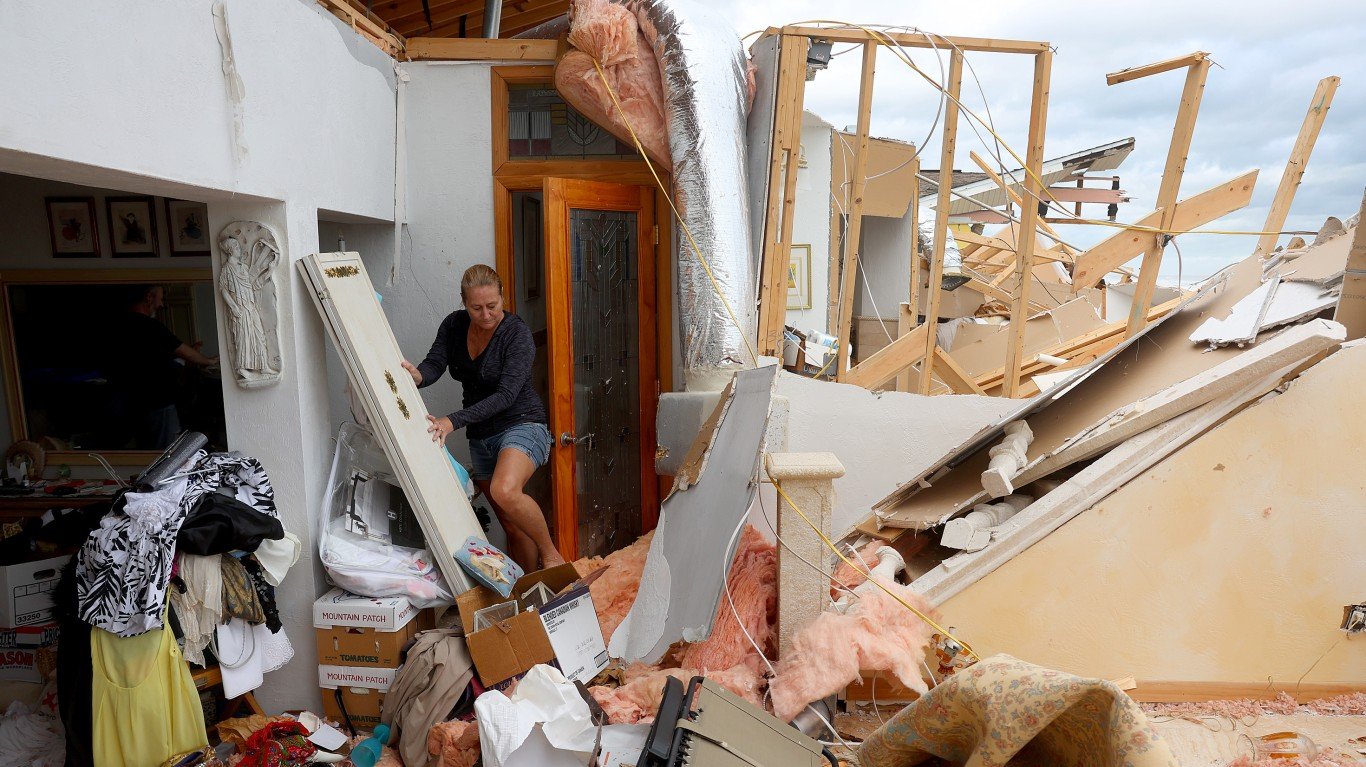
For an heir, the implication is direct: if the board has voted a special assessment, it rides with the unit. If the study has landed but the board has not yet voted, every buyer will assume the number and price accordingly. Assessments in older coastal buildings have reached amounts exceeding some owners’ equity, turning a clean inheritance into a decision about whether to accept the property at all. Florida allows heirs to disclaim, and in a building with a bad study, that option deserves serious consideration.
Costs Accrue From the Day of Death
Probate in Florida is rarely quick, and every recurring bill on the unit keeps arriving. Association dues, assessment installments, property taxes, insurance on a vacant unit, water, power, pest control. The estate owes all of it. If the estate is illiquid, heirs write personal checks and get reimbursed at distribution.
That gap is where families discover they are financing the association’s construction project from their own savings while the listing sits. Existing-home sales ran at a 3.98 million annualized pace in August 2026, the low of the recent series, and the interpretation guide classifies the 3.5 to 4.5 million range as soft. A soft resale market means the wait extends well beyond two weekends of open houses.
Tax Bill Nobody Warned Them About
A parent who owned for twenty or thirty years almost certainly had a homestead exemption and a Save Our Homes assessed value far below market. Both the homestead exemption and the Save Our Homes cap end with the owner’s death and do not transfer to heirs; the property is reassessed at just value on January 1 after the change of ownership. Heirs who budget from the parent’s last tax bill are working from a number that no longer exists. The first full-year bill can be a multiple of what the parent paid, and it is due whether the unit is occupied, listed, or under contract.
Why the Sale Itself Is Harder Than It Looks
Florida law requires the seller to disclose known assessments and to deliver the association’s governing documents, financial statements, and question-and-answer sheet to the buyer, with a rescission window after delivery. A known number is a priced number. Many associations also retain an approval or right-of-first-refusal process on transfers, including background and financial review of the buyer.
When a building’s reserve position or inspection status disqualifies it from conventional and FHA lending, the buyer pool collapses to cash, and cash buyers price for the risk. That is how a unit worth a number on paper closes at a discount. The Case-Shiller national index reached 336.7 in June 2026, but a rising national index does not lift a building buyers cannot finance.
One Piece of Genuinely Good News
Property acquired from a decedent generally receives a basis adjustment to fair market value on the date of death under Internal Revenue Code Section 1014. Heirs who sell promptly usually owe little or no federal capital gains tax on decades of appreciation. That changes the calculus on whether to sell now or rent and hold.
Complications That Turn Manageable Into Ugly
Florida participates in Medicaid estate recovery, and a claim can attach to probate assets where the decedent received long-term care benefits after age 55. Siblings who disagree about price or timing can end up in a partition action, which is slow and expensive and usually ends in a forced sale at a worse number than negotiation would produce. An heir wanting to rent the unit should read the declaration first: many Florida associations restrict leasing, cap the number of rentals, or impose minimum lease terms that make short-term economics impossible.
What This Looks Like for the Parent Still Reading
The version of this story that ends well starts while the owner is alive. The number that matters is what the reserve study says the building needs, what the milestone inspection has found, and whether the association is funding to that number or deferring it. A parent who obtains the current structural integrity reserve study and the most recent milestone inspection report, reads them, and shares them with the children gives the family the only document that determines whether the inheritance is an asset or a liability.
If the study is unfavorable and the children do not want the unit, selling during life is often the better answer, because the living owner can negotiate, disclose, and close on their own timeline. The single document to request from the association manager is the structural integrity reserve study. Everything else follows from what it says.
Contact [email protected] for any questions or corrections.
David Beren has been a Flywheel Publishing contributor since 2022. Writing for 24/7 Wall St. since 2023, David loves to write about topics of all shapes and sizes. As a technology expert, David focuses heavily on consumer electronics brands, automobiles, and general technology. He has previously written for LifeWire, formerly About.com. As a part-time freelance writer, David’s “day job” has been working on and leading social media for multiple Fortune 100 brands. David loves the flexibility of this field and its ability to reach customers exactly where they like to spend their time. Additionally, David previously published his own blog, TmoNews.com, which reached 3 million readers in its first year. In addition to freelance and social media work, David loves to spend time with his family and children and relive the glory days of video game consoles by playing any retro game console he can get his hands on.