Some Regions Of US Completely Abandoned
Austerity measures have gutted parts of the national budget and are about to go farther. Parts of the defense budget may disappear. Billions could be cut from federal discretionary spending over the next few years. What is sometimes forgotten in…


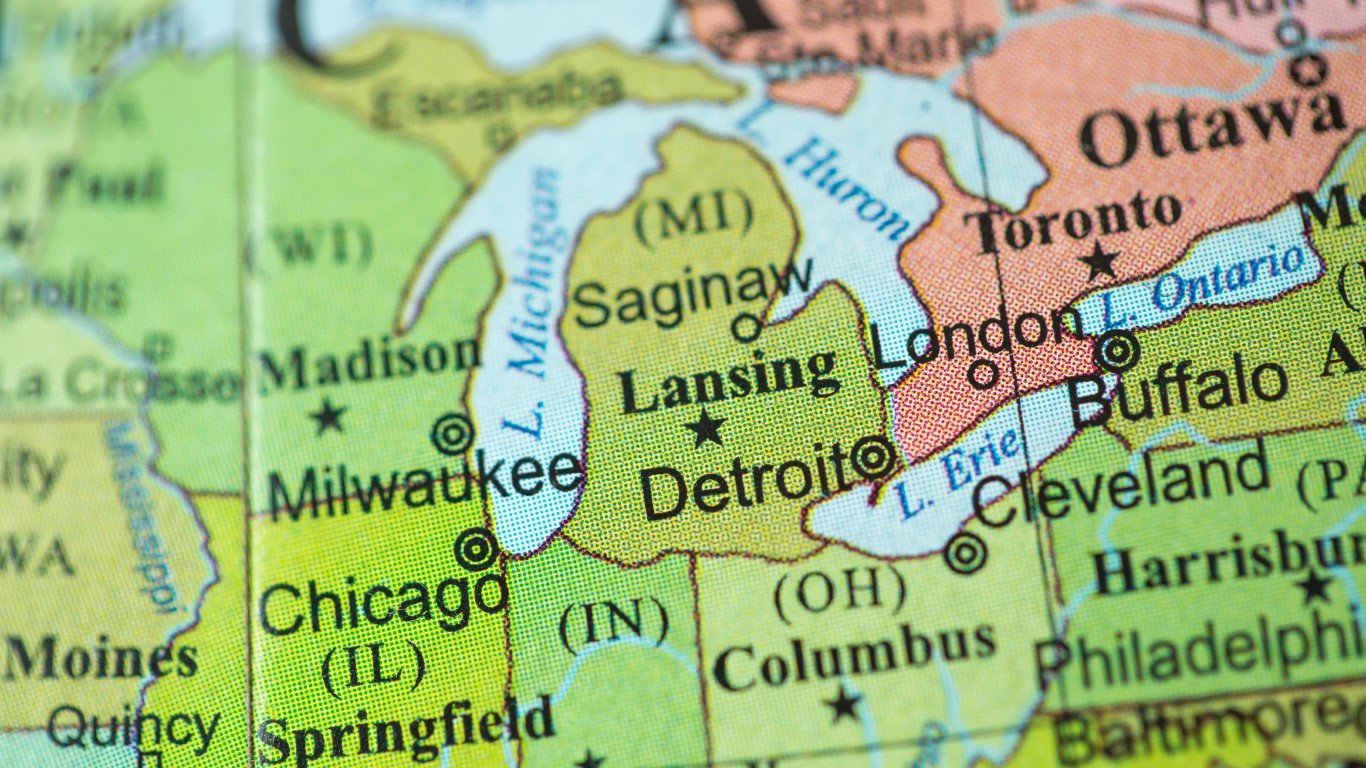
What is sometimes forgotten in the austerity process is that it is not just defense and school programs that are cut. Also gone is aid to parts of the US which are actually disappearing–economically. The media recently provided broad coverage of the plight of Michigan’s Upper Peninsula. It is a large region geographically, larger in square miles than some smaller states. Its tiny population makes it easy to forget, at least politically.
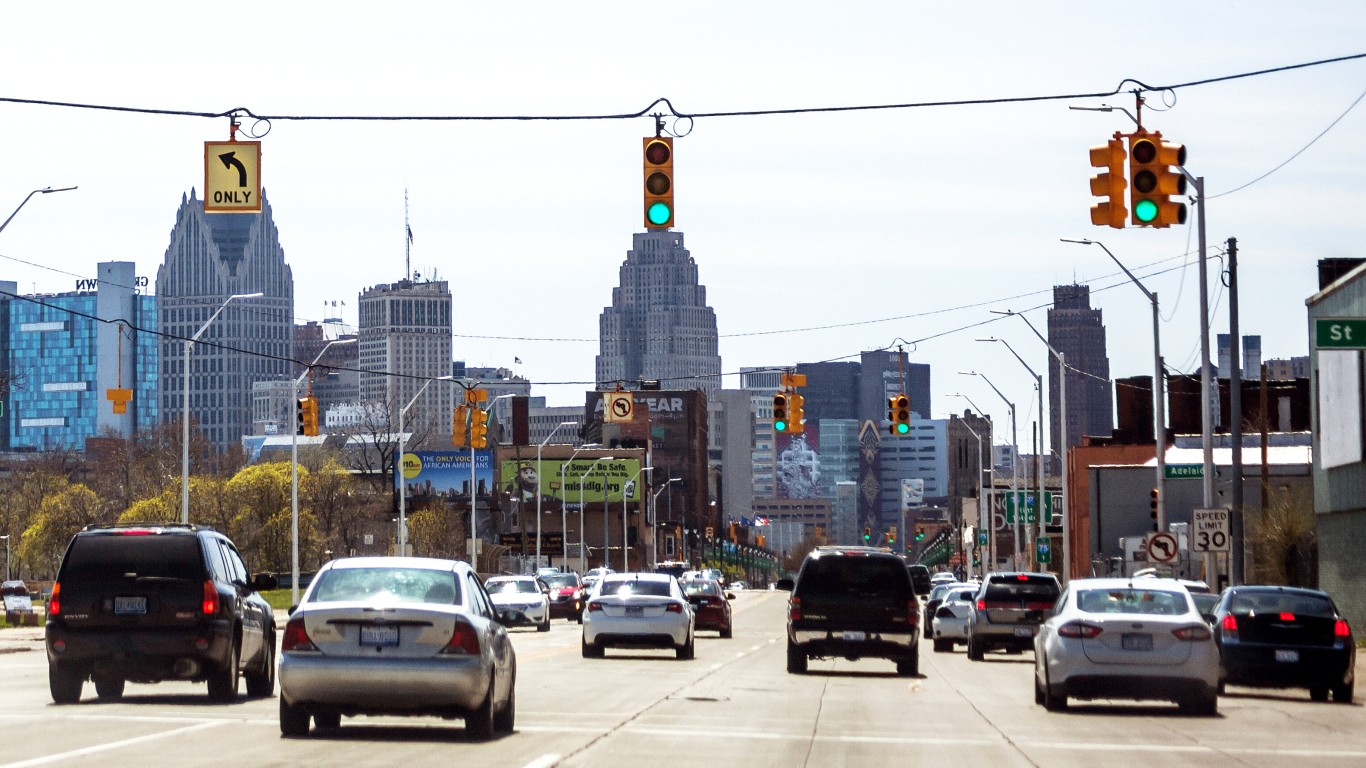
Michigan is a study in contrasts and a microcosm of the trouble which has arisen as federal and state budgets have been reduced sharply. In the southeast corner of the state is Detroit, which has lost half of its population in the last century. Large parts of the city are abandoned. The situation is so dire and complex that it has been suggested that some of these areas be converted to urban farms. However, these farms would be impractical because they would need to be defended by an army of security officers against vandalism, which is a huge problem in the city. What is left of Detroit is a city inside a wasteland, a problem so vast that it is too costly to address.
The Upper Peninsula is as different from Detroit as it could be. Almost no one lives there. The people who do reside there–like the people of Detroit–are mostly poor though unlike the city they are mostly white. An economic rescue of the area would be ineffective because too few people live in too large of an area. That means the U.P. will not be rescued at all.
Detroit and the Upper Peninsula are not alone. There are other vast areas where few people live. Many are in the west. Others are in the northern most parts of the northen tier of states. Still others are in the areas of New Mexico and Arizona outside the large cities. On the other hand, large cities like New Haven and Providence have problems similar to Detroit’s though less dire, at least for now.
One of the things that has begun to happen and will go on happening is that some parts of the US will be left to decay to the point where they will be nothing more than wastelands. It is a strange thing to happen in the United States but unavoidable.
Douglas A. McIntyre
Contact [email protected] for any questions or corrections.
Douglas A. McIntyre is the co-founder, chief executive officer and editor in chief of 24/7 Wall St. and 24/7 Tempo. He has held these jobs since 2006.
McIntyre has written thousands of articles for 24/7 Wall St. He is an expert on corporate finance, the automotive industry, media companies and international finance. He has edited articles on national demographics, sports, personal income and travel.
His work has been quoted or mentioned in The New York Times, The Wall Street Journal, Los Angeles Times, The Washington Post, NBC News, Time, The New Yorker, HuffPost USA Today, Business Insider, Yahoo, AOL, MarketWatch, The Atlantic, Bloomberg, New York Post, Chicago Tribune, Forbes, The Guardian and many other major publications. McIntyre has been a guest on CNBC, the BBC and television and radio stations across the country.
A magna cum laude graduate of Harvard College, McIntyre also was president of The Harvard Advocate. Founded in 1866, the Advocate is the oldest college publication in the United States.
TheStreet.com, Comps.com and Edgar Online are some of the public companies for which McIntyre served on the board of directors. He was a Vicinity Corporation board member when the company was sold to Microsoft in 2002. He served on the audit committees of some of these companies.
McIntyre has been the CEO of FutureSource, a provider of trading terminals and news to commodities and futures traders. He was president of Switchboard, the online phone directory company. He served as chairman and CEO of On2 Technologies, the video compression company that provided video compression software for Adobe’s Flash. Google bought On2 in 2009.