Response to Climate Change Coming from Technology, Not Talks
Current United Nations negotiations on a successor to the Kyoto Protocol, which expires at the end of 2012, have not yielded much in the way of results thus far. Nor are they expected to. The essential dispute over how to…

Current United Nations negotiations on a successor to the Kyoto Protocol, which expires at the end of 2012, have not yielded much in the way of results thus far. Nor are they expected to.
The essential dispute over how to deal with the earth’s warming climate has not changed appreciably since the Kyoto Protocol was adopted in 1997 and implemented in 2005. The US did not sign the Protocol because the agreement did not include limits on emissions from emerging countries, like China; and China did not sign because it claims that the damage to the climate can be laid at the feet of the developed countries and emerging economies have no obligation to clean up someone else’s mess.
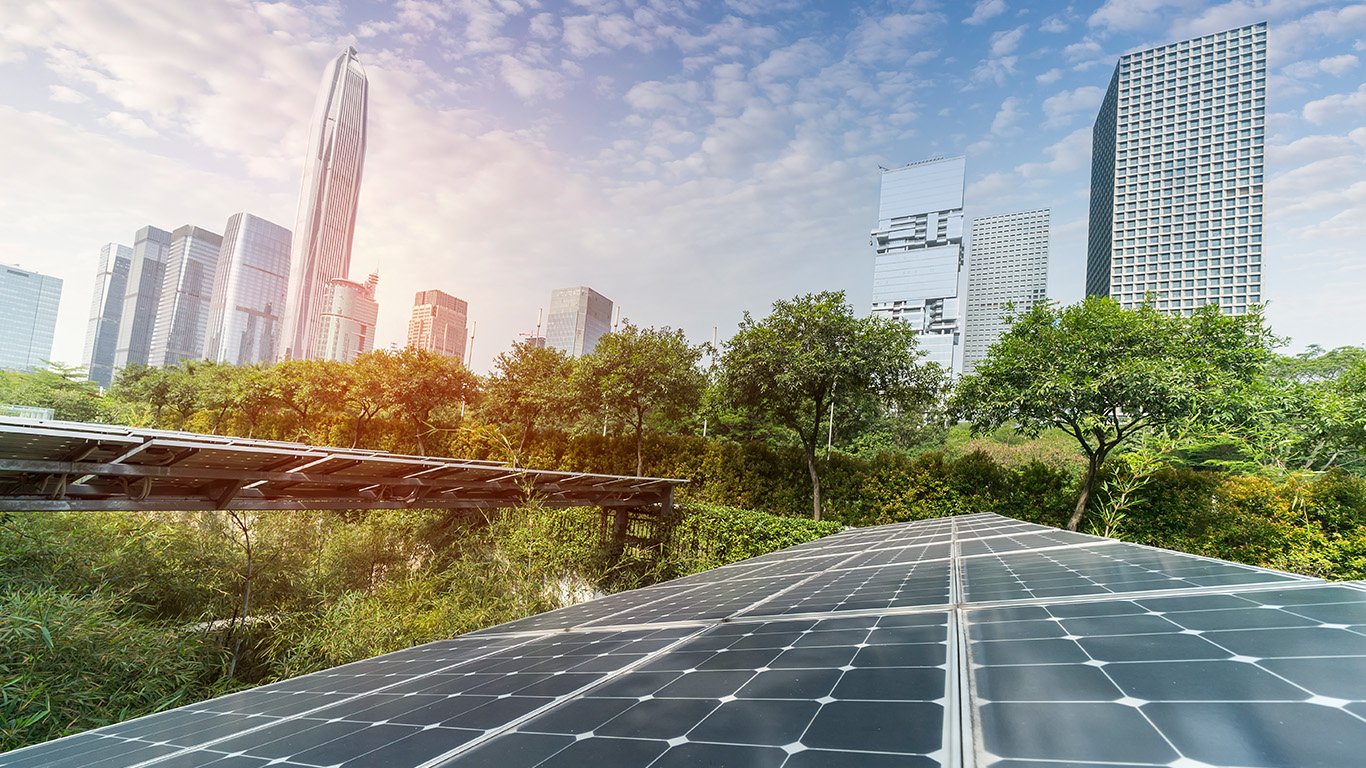
What does appear to be happening, however, is that technological progress is making a difference and will continue to do so as prices for alternative energy production get better and cheaper. A Reuters report highlights the likeliest means for curbing emissions:
China invested $54 billion in low carbon energy technology in 2010, compared to the United States’ $34 billion, the U.S. Pew Environment Group said.
With a pressing need to provide food, fuel and water for the world’s biggest population, China more than most can see the value of energy forms that limit the global warming that has already turned tracts of its land to desert.
India, the third largest carbon emitter after China and the US, is also making a new push for green energy development. Like China, India sees the link between climate change and its ability to feed its growing population. This used to be called “enlightened self-interest,” and perhaps the concept is not dead yet.
Contact [email protected] for any questions or corrections.
Paul Ausick has been writing for 247Wallst.com for more than a decade. He has written extensively on investing in the energy, defense, and technology sectors. In a previous life, he wrote technical documentation and managed a marketing communications group in Silicon Valley.
He has a bachelor's degree in English from the University of Chicago and now lives in Montana, where he fishes for trout in the summer and stays inside during the winter.