Reports Say President Will Kill Keystone XL Pipeline (TRP, KMI)
Just before Congress left town for the holiday, it passed and President Obama signed a bill to extend payroll tax cuts for two months. The bill included a provision demanding that the President rule on the Keystone XL pipeline proposal…


That decision, technically being made by the State Department, was practically forced on the President by Congressional Republicans, as we noted at the time. Obama needs to electrify his environmental supporters and rejecting the Keystone XL pipeline project is the most highly visible way to do this. We also pointed out in December that supporters of the pipeline were not likely to vote for Obama in any case, so he has more to gain politically by rejecting the Keystone XL.
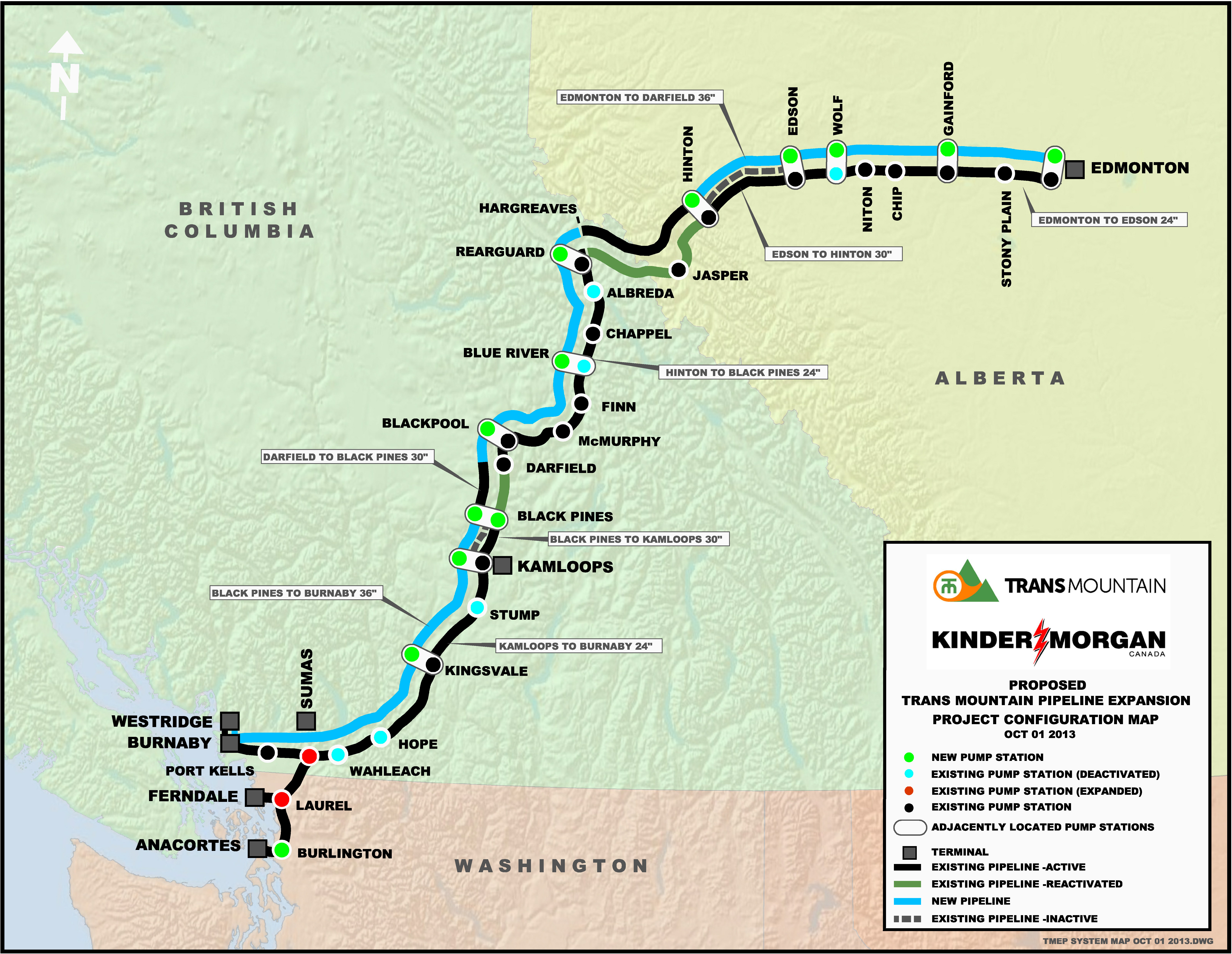
The decision probably does not mean that the controversy or the Keystone XL is completely dead. Canada has a second option for delivering the synthetic crude from the Alberta oil sands — a pipeline to the British Columbia coast has been proposed by Kinder Morgan Inc. (NYSE: KMI). Because that pipeline is completely within Canada’s borders, the Obama administration has just turned the whole issue of oil sands development back over to the Canadians.
US protests over the pipeline focused on possible environmental damage to sensitive areas along the pipeline’s route. But the real issue has always been the development of the oil sands, and Canada is not going to kill what is now the country’s golden goose. The synthetic crude will find a way to the sea one way or another. But right now, it doesn’t look like that route will be to the US Gulf Coast.
Paul Ausick
Contact [email protected] for any questions or corrections.
Paul Ausick has been writing for 247Wallst.com for more than a decade. He has written extensively on investing in the energy, defense, and technology sectors. In a previous life, he wrote technical documentation and managed a marketing communications group in Silicon Valley.
He has a bachelor's degree in English from the University of Chicago and now lives in Montana, where he fishes for trout in the summer and stays inside during the winter.