




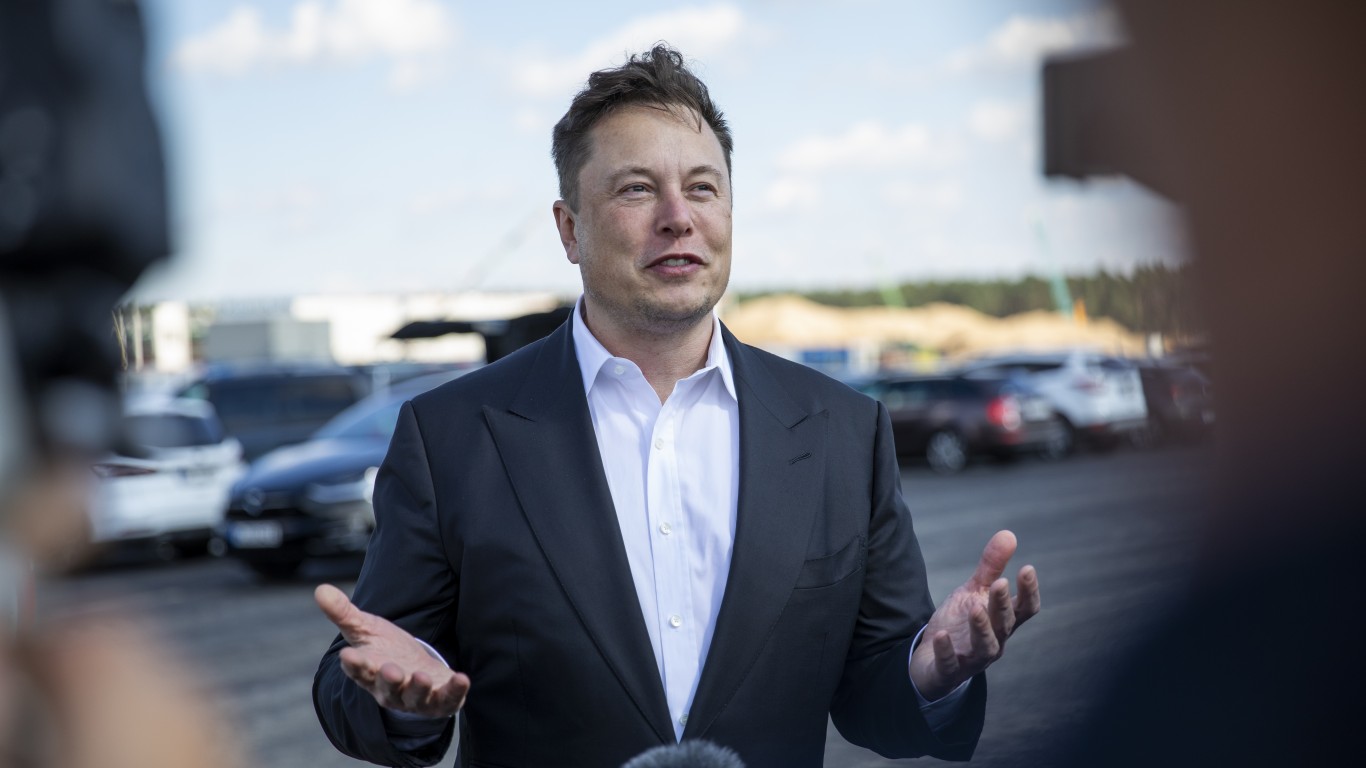
Tesla (NASDAQ:TSLA | TSLA Price Prediction) shares soared in late 2023 and through much of 2024, but stumbled throughout the first half of 2025. The largest U.S. EV maker staged a comeback in the second half of the year, finishing 2025 with roughly an 11% gain. In 2026, the stock has traded in a volatile range. As of early June, shares hover near $424, up approximately 22% over the past 12 months but still well below the all-time closing high of $489.88 reached in December 2025.
Tesla reported first-quarter 2026 earnings on April 22, announcing revenue of $22.39 billion, up 16% year over year. The company posted earnings of $0.41 per share, beating analysts’ estimates of $0.35 to $0.37. Gross margin jumped to 21.1%, the strongest in over a year. However, the results carried caveats: net income of $477 million rose 17% year over year but remained pressured, and the company delivered 358,023 vehicles while producing 408,386, leaving roughly 50,000 units in inventory.
Wall Street analysts remain cautious. While some firms see Tesla’s push into AI and autonomous driving as transformative, others flag the inventory buildup, weakening auto demand in Europe, and competition from Chinese rivals. Canaccord believes Tesla will soon announce new affordable electric vehicle models, which should help alleviate post-tax-credit demand headwinds in the U.S. and reinvigorate global sales momentum.
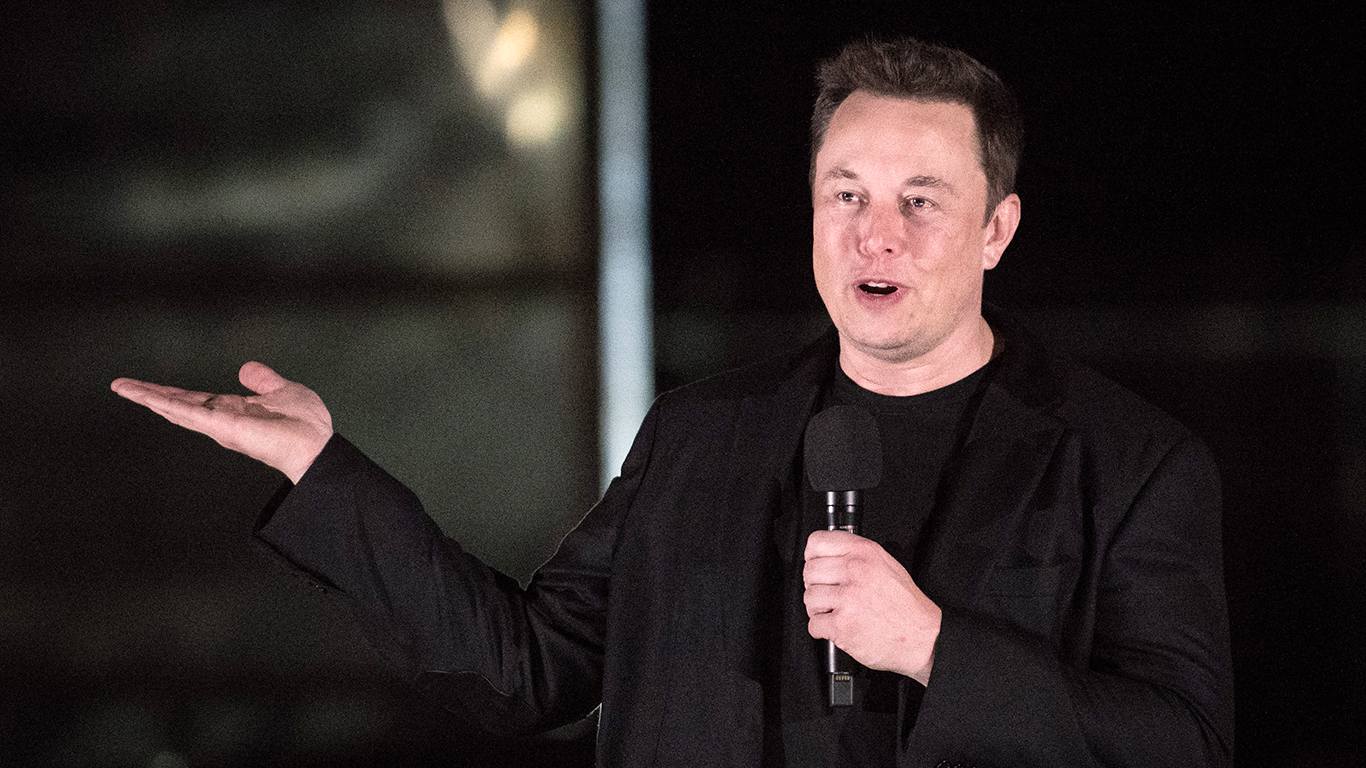
Over more than a decade, Tesla has rewarded long-term shareholders handsomely, minting millionaires among those who embraced CEO Elon Musk’s vision early. The journey has been volatile, punctuated by dramatic drawdowns and rapid rallies. Since its IPO on June 29, 2010, the stock has compounded at an extraordinary rate, though recent performance has been choppier. Investors now face a pivotal question: can Tesla stabilize its core auto business and monetize its AI ambitions, or will competition and execution risks weigh on shares?
24/7 Wall St. analyzed the latest data to provide clarity. We examine whether Tesla’s struggles can be expected to continue or if this remains a top growth name capable of rebounding to new highs.
Key Drivers of Tesla’s Stock Performance
1. Core EV Business: Tesla’s auto segment remains its most important revenue driver. Vehicle sales declined 9% in 2025 to 1.64 million units, the first annual drop in deliveries since the company reached volume production. Margins have improved from pandemic lows but remain under pressure as Tesla has cut prices to defend market share. Investors will continue to weigh the company’s future prospects in proportion to how its core automotive business performs.
2. Autonomous Driving, Robotics, and Beyond: Many long-term Tesla bulls view the stock as a portfolio of call options on breakthrough technologies. Beyond electric vehicles, the company’s energy storage business, Full Self-Driving software, Optimus humanoid robots, and AI infrastructure represent potential catalysts. In April 2026, Tesla expanded unsupervised Robotaxi service to Dallas and Houston, joining Austin. Whether these ventures deliver margin expansion or drain capital remains to be seen, but they underpin the stock’s premium valuation.
3. Macro and Political Environment: CEO Elon Musk’s high-profile alignment with President Trump has drawn market attention. Tesla shares surged following the November 2024 election but subsequently gave up those gains, trending lower through early 2025. The expiration of the U.S. federal EV tax credit in late 2025 created a pull-forward effect in Q3, followed by weaker demand in Q4 and Q1 2026. Regulatory changes, tariff policies, and Musk’s political activity continue to influence sentiment.
What Wall Street Thinks
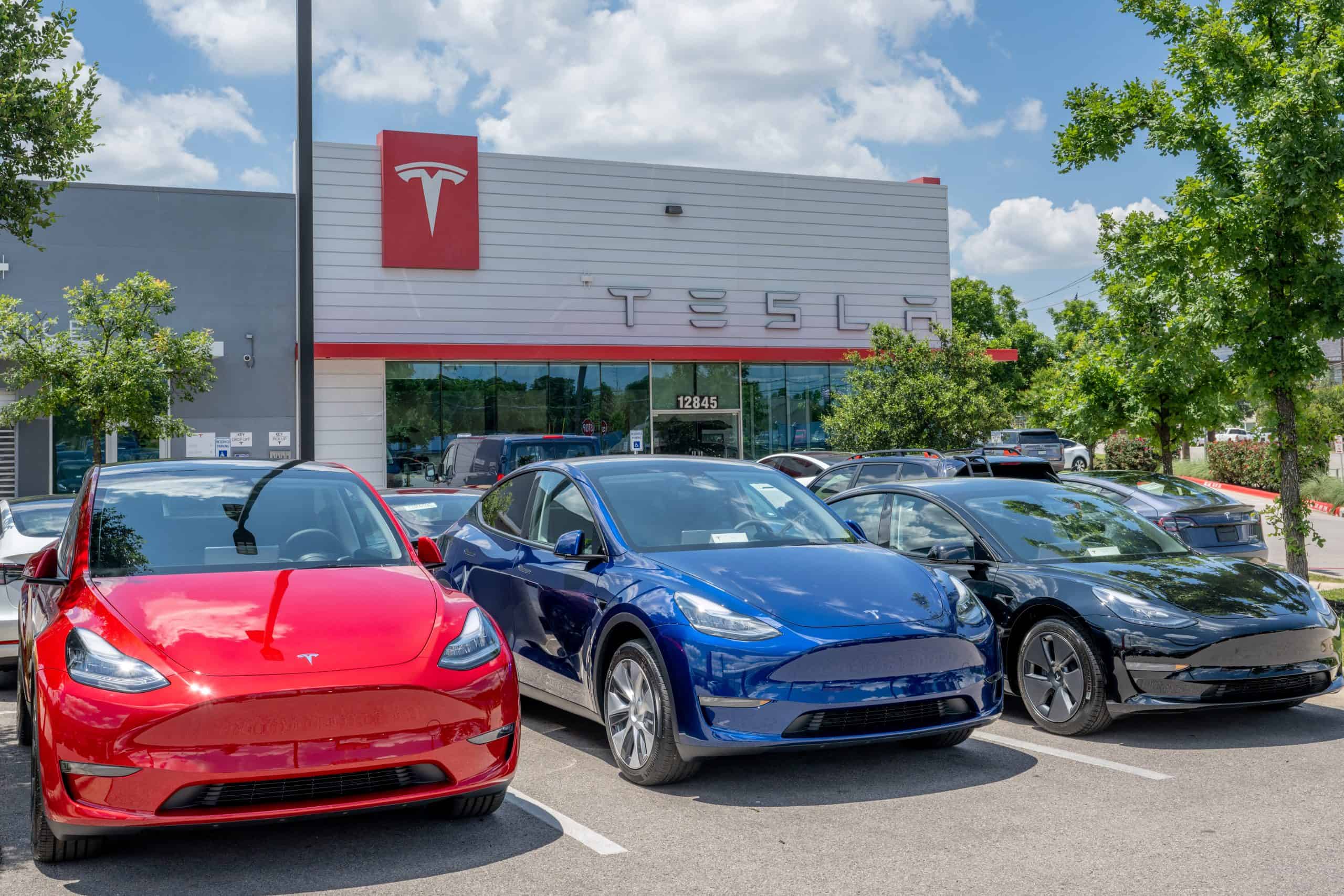
Analyst opinion on Tesla’s stock price outlook varies dramatically. As of late May 2026, Wall Street price targets span an enormous range: the most bearish analyst projects a target of $24.86, while the most bullish forecasts $600 per share. The median 12-month price target sits near $408, implying modest downside from current levels.
Consensus ratings are mixed. According to aggregated data, 26 to 47 analysts (depending on the source) cover the stock, with ratings ranging from “Hold” to “Buy” on average. Roughly 10 to 12 analysts rate Tesla a “Buy,” a similar number assign a “Hold,” and 5 to 7 rate it a “Sell.” This dispersion reflects deep disagreement over whether Tesla’s AI and autonomy narrative justifies its valuation or whether the stock remains overpriced relative to its auto-manufacturing fundamentals.
Several firms, including Wedbush, maintain bullish targets near $600, emphasizing the long-term potential of Robotaxis and Optimus. Others, such as UBS and GLJ Research, express skepticism, citing inventory concerns, margin pressure, and competition. The wide spread of forecasts makes it difficult to rely on analyst targets as a guide. Investors are better served conducting independent analysis, including discounted cash flow modeling tailored to their own assumptions about Tesla’s growth trajectory.
Tesla’s 2026 Outlook
Tesla’s full-year 2026 delivery expectations range from 1.69 million to 1.75 million vehicles, according to published analyst consensus. That would represent a return to growth after back-to-back annual declines in 2024 and 2025. However, Q1 2026 results suggest the path to that target may be bumpy. Deliveries of 358,023 units were up 6% year over year but down 14% sequentially from Q4 2025, and the 50,000-unit inventory buildup signals weaker-than-expected demand.
CEO Elon Musk has projected 20% to 30% delivery growth for 2026, a forecast some analysts view as optimistic. Competition from Waymo in autonomous driving and declining registrations in key European markets (Germany, France) and California present headwinds. Tesla’s U.S. market share in EVs slipped below 50% in California during 2025, a symbolic setback for the brand that pioneered mass-market electric vehicles.
On the product side, Tesla confirmed in its Q1 earnings deck that it plans to introduce more affordable trims of the Model Y SUV and Model 3 sedan in 2026. These lower-cost variants aim to broaden the addressable market and offset the loss of the federal EV tax credit. Energy storage, historically a bright spot, saw deployments drop 38% sequentially in Q1 to 8.8 gigawatt-hours, raising questions about whether that business can sustain its growth trajectory.
Tesla Stock 2026 Price Target
Wall Street analysts have assigned Tesla a median 12-month price target of approximately $408, representing modest potential downside from the stock’s early June level near $424. Of the analysts covering Tesla, the stock receives a consensus “Hold” rating, with 10 to 12 analysts rating it a “Buy,” a similar number assigning a “Hold,” and 5 to 7 rating it a “Sell.”
24/7 Wall St.‘s 2026 year-end price target for Tesla is $440, which represents potential upside of roughly 4% from the current share price. We see modest appreciation driven by stabilizing auto margins, gradual progress in autonomous driving, and energy storage recovery in the second half of the year. However, we acknowledge significant risks: if demand softens further or execution on AI initiatives disappoints, downside to the low $300s remains plausible.
Editor’s note: This article was updated in June 2026 with Tesla’s current stock price near $424, Q1 2026 earnings results showing revenue of $22.39 billion and EPS of $0.41, updated analyst price targets averaging $408, and revised full-year 2026 delivery expectations of 1.69 to 1.75 million vehicles.












 Top Gaining Stocks
 Top Losing Stocks