Is This the Hidden Risk That Ends Carvana’s Historic Surge?
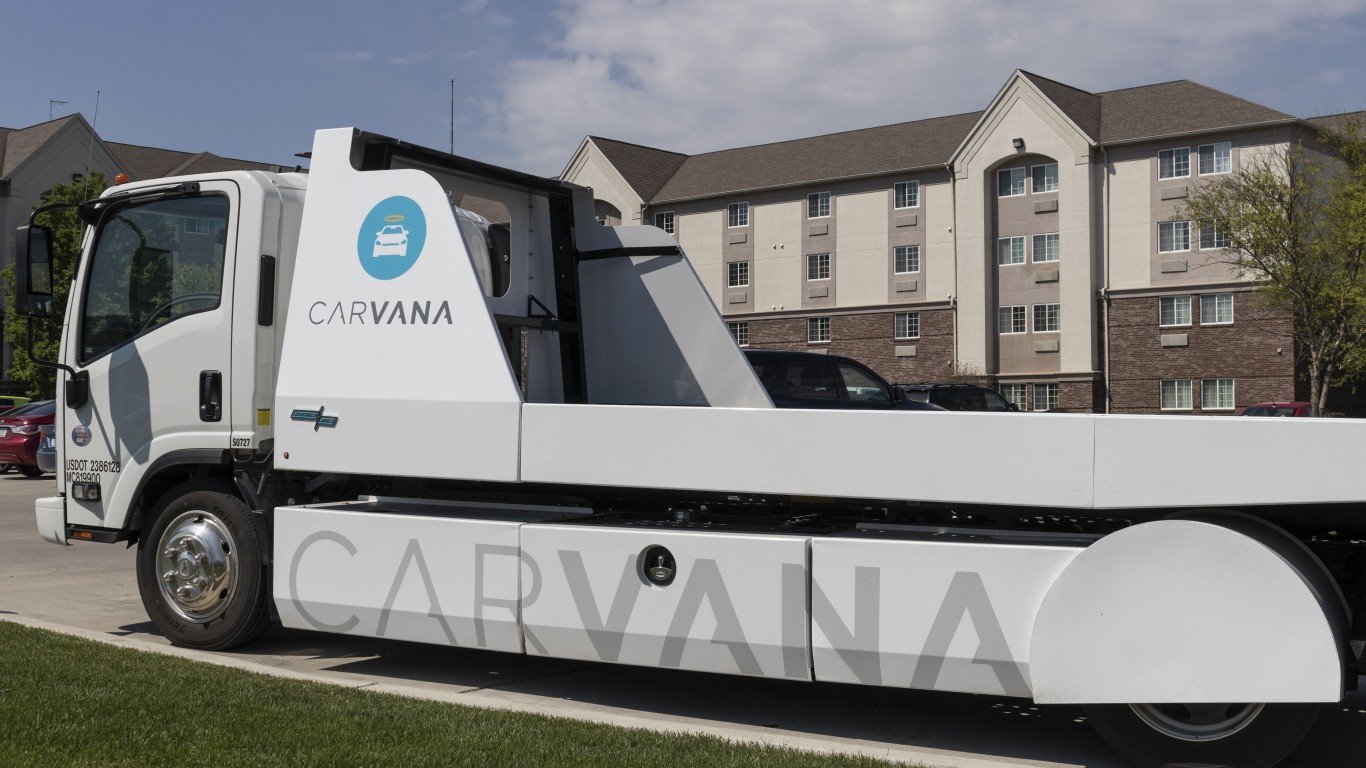
From Bankruptcy’s Brink to Meme Stock Darling Online used-car retailer Carvana (NYSE:CVNA | CVNA Price Prediction) is arguably best-known for its car vending machines, but it has also been a rollercoaster ride that’s left investors dizzy. Two years ago, the…

This post may contain links from our sponsors and affiliates, and Flywheel Publishing may receive compensation for actions taken through them.
From Bankruptcy’s Brink to Meme Stock Darling
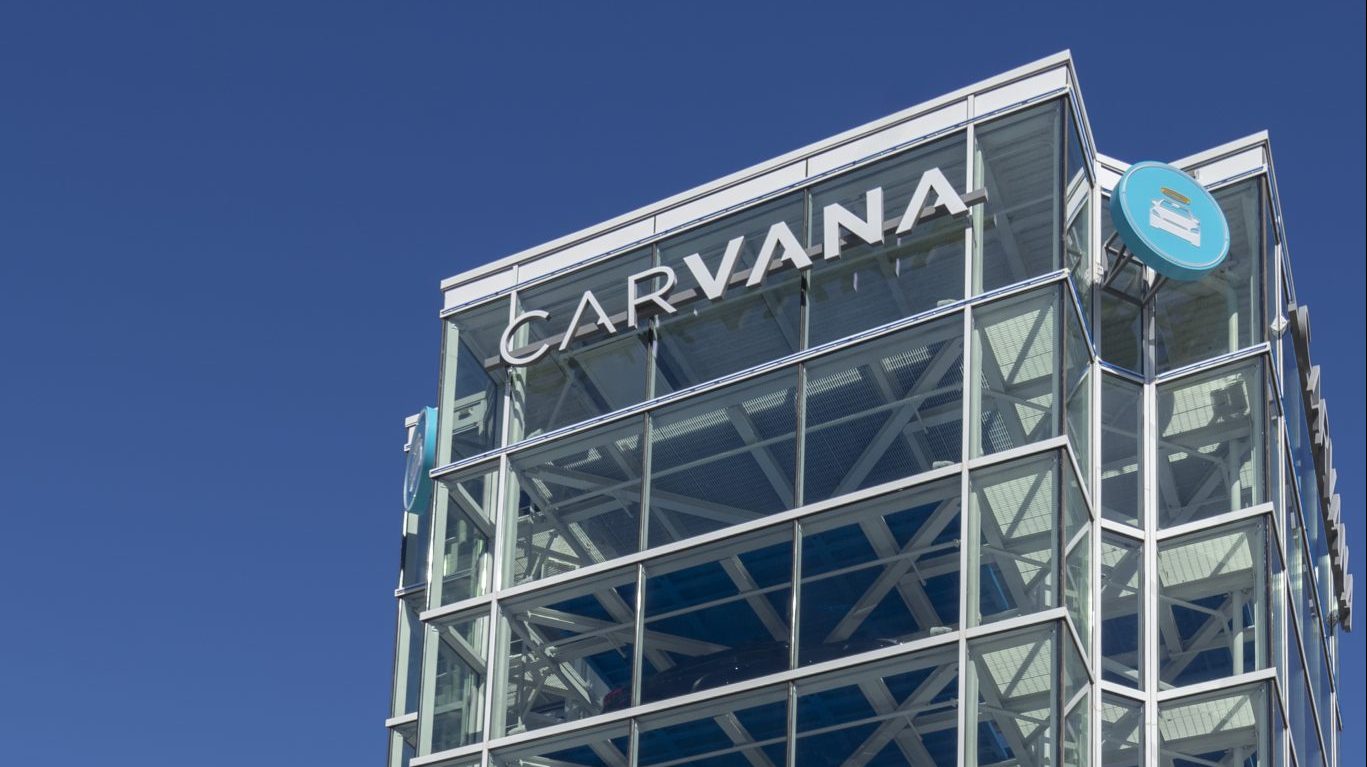
Online used-car retailer Carvana (NYSE:CVNA | CVNA Price Prediction) is arguably best-known for its car vending machines, but it has also been a rollercoaster ride that’s left investors dizzy. Two years ago, the company appeared to teeter on the edge of bankruptcy. With $5 billion in debt and a stock price that had crashed 99% from its 2021 peak of $376 to below $5 per share, Carvana looked doomed.
Rumors of looming Chapter 11 filings swirled as sales slumped and lawsuits piled up, but today, the story has flipped: CVNA’s stock has soared to $392 per share, up over 141% in 12 months and just 5% below the all-time high it hit in July. Shares trade an incredible 8,150% above the level they were at the start of 2023 and have surpassed its pandemic-era peak.
Fueled by retail investor hype on platforms like Reddit and X — alongside a surprising recovery narrative from CEO Ernie Garcia III — Carvana has become a Wall Street enigma. But beneath the hype, it is increasingly looking like this meteoric rise was built on an unsustainable foundation.
Risky Debt Is the Yellow Flag
According to a recent Morningstar report on Carvana’s receivables that offers a snapshot into an $851 million pool of subprime auto loans the used car retailer bundled and sold to investors, it paints a troubling portrait of what may be lurking beneath the hood.
The report shows 28.7% of these loans to carbuyers with lower credit scores are delinquent by at least 30 days, but 12.7% of them are seriously overdue by more than 60 days. That means nearly one out of every three borrowers is struggling to make their payments, up from a 16% benchmark when the group of loans first started in 2022.
Losses from repossessed cars total $29.9 million, or 3% of the pool, though that is cushioned by a 27.9% buffer, helping to keep the tranche of debt with an investment grade BBB rating — a mid-risk investment slice. At least it is for now.
Compared to Carvana’s latest financials showing second-quarter revenue growing 42% to a record $4.8 billion and profits of $308 million (up from $48 million), this pool looks like small potatoes. But it’s really a warning sign.
These older loans reflect Carvana’s aggressive 2022 lending spree, when it handed out high-interest loans with annual percentage rates (APR) of 20% to risky buyers. Newer pools from 2025 show better health with delinquencies in a 5% to 10% range, suggesting Carvana tightened its standards.
Still, if the delinquent loans climb to 35%, or losses hit 7% to 8% of the pool, that BBB tranche could crumble, spooking investors and dragging down confidence in CVNA stock.
Will the Chickens Come Home to Roost?
The big question is whether Carvana is a house of cards. CVNA’s surge relies on faith in its turnaround — record sales, $11.9 billion in cash and equivalents, and a market cap of $83.8 billion. But this debt pool hints at hidden risks.
If delinquencies spike (say, to 40% in a recession), losses could outpace the buffers in place, forcing write-downs or legal headaches. The Federal Reserve’s recent rate cut might help by easing borrowing costs, potentially lowering auto loan rates for subprime buyers and boosting demand. However, if rates drop too fast, used-car values could crash (they’ve already softened this year), worsening repossession losses.
Analysts are split on Carvana. Some see it making a soft landing with CVNA’s cash covering gaps, while others predict a 2026 stumble if defaults surge.
Key Takeaway
This debt health report should be a yellow flag for investors. With nearly 29% of the loans delinquent — and a good chunk of them seriously so — and rising trends, it indicates significant stress in older loan pools.
The flags turn orange when you consider the loan tranches’ investment grade vulnerability — if the buffers erode, investor trust could collapse, especially if Carvana’s hype outpaces reality.
Contact [email protected] for any questions or corrections.
After two decades of patrolling the dark corners of suburbia as a police officer, Rich Duprey hung up his badge and gun to begin writing full time about stocks and investing. For the past 20 years, he’s been cruising the markets looking for companies to lock up as long-term holdings in a portfolio while writing extensively on the broad sectors of consumer goods, technology, and industrials. Because his experience isn’t from the typical financial analyst track, Rich is able to break down complex topics into understandable and useful action points for the average investor. His writings have appeared on The Motley Fool, InvestorPlace, Yahoo! Finance, Money Morning, and, of course, 24/7 Wall St. He has been featured in both U.S. and international publications, including MarketWatch, Financial Times, Forbes, Fast Company, and USA Today.