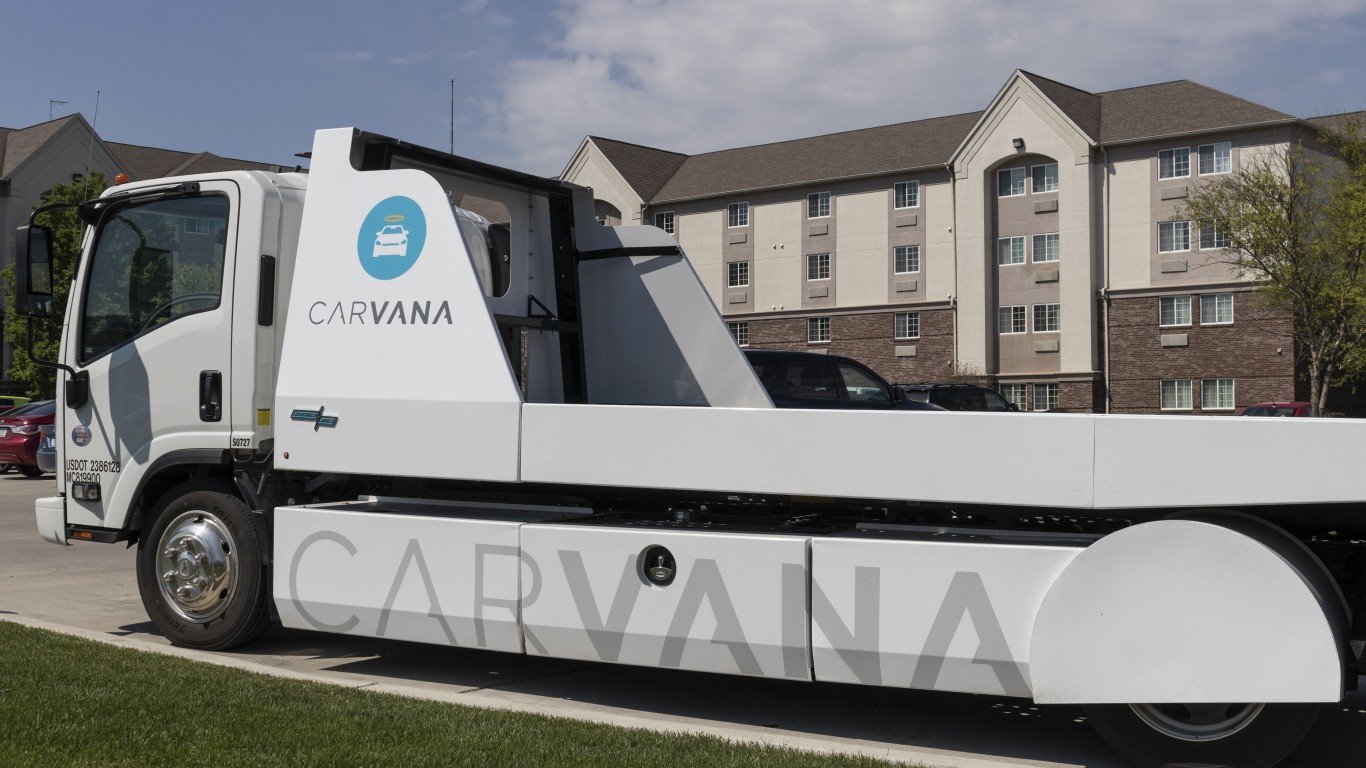
Is Carvana One of the “Cockroaches” Jamie Dimon Just Warned Us About?
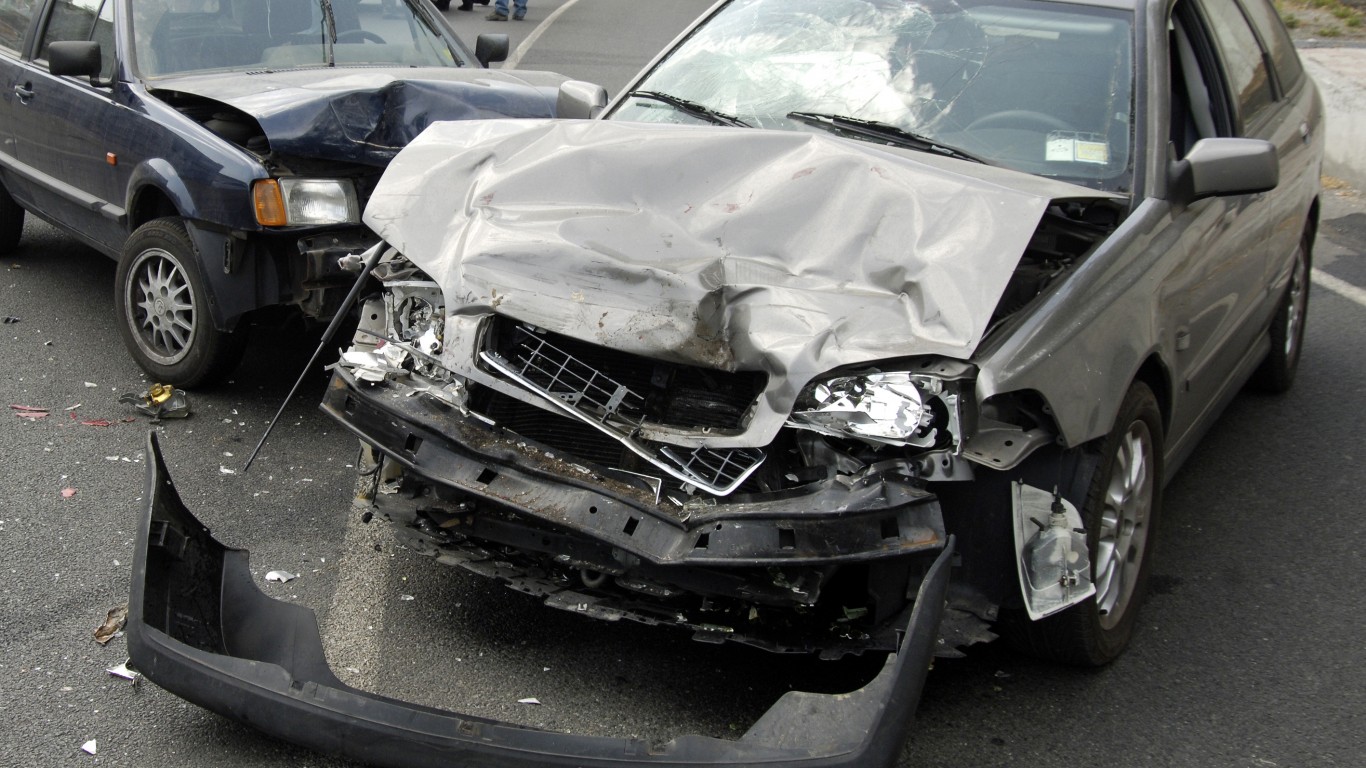
During JPMorgan Chase‘s (NYSE:JPM | JPM Price Prediction) third-quarter earnings call, CEO Jamie Dimon dropped a stark warning about hidden risks in the private credit markets. Discussing the recent bankruptcy of subprime auto lender Tricolor Holdings, which filed in September…


During JPMorgan Chase‘s (NYSE:JPM | JPM Price Prediction) third-quarter earnings call, CEO Jamie Dimon dropped a stark warning about hidden risks in the private credit markets. Discussing the recent bankruptcy of subprime auto lender Tricolor Holdings, which filed in September amid allegations of loan fraud — and cost the bank $170 million in charge-offs — Dimon said, a “When you see one cockroach, there’s probably more. Everyone should be forewarned on this one.”
The comment spooked investors, sending stocks lower and gold higher. Tricolor’s collapse echoes past crises — subprime auto loans mirrored the toxic assets that doomed Bear Stearns in 2008, forcing JPMorgan to orchestrate its rescue, and they fueled the broader housing market meltdown that year as well.
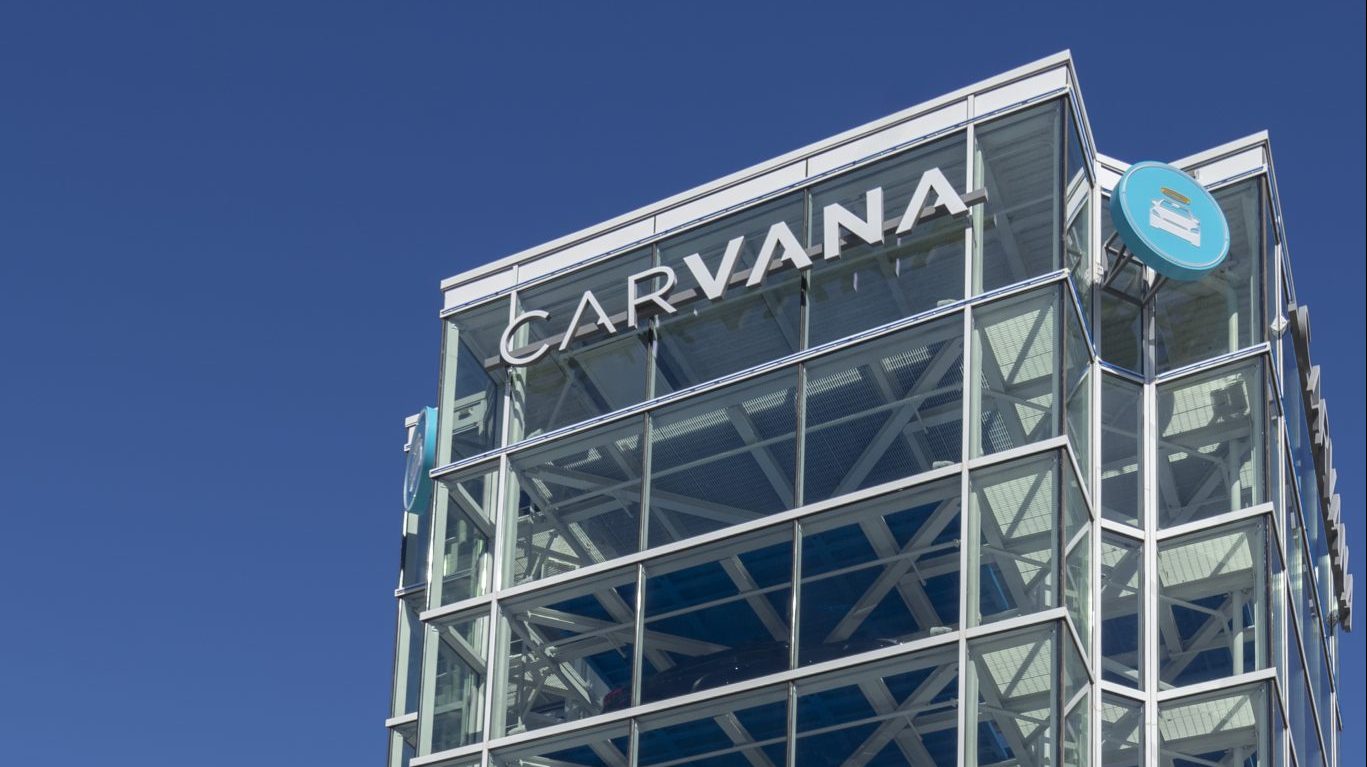
With delinquencies rising on car loans amid high vehicle prices and economic pressures, Dimon’s antenna is up for more failures in non-bank lending. Could online used car dealer Carvana (NYSE:CVNA) be lurking as one of those “cockroaches”?
Cracks in the Foundation
Carvana’s ascent this year has been nothing short of meteoric, transforming from a near-bankrupt meme stock into a Wall Street darling. Shares have surged 70% in 2025, fueled by strong quarterly results, operational tweaks, and hype around its e-commerce model. CVNA stock, though, is up over 1,780% over the past three years.
Analysts from JPMorgan and Jefferies have piled on with upgrades, citing robust used-vehicle demand and digital efficiencies. Yet beneath the rally lies a balance sheet riddled with vulnerabilities that could unravel in a downturn — much like the subprime exposures Dimon flagged.
At its core, Carvana’s finances hinge on financing its inventory and customer loans. Total assets stood at $9.4 billion in the second quarter, up 5.6% sequentially, driven by vehicle stockpiles and loan receivables. But liabilities totaled $7.2 billion, leaving slim equity of about $2.1 billion.
That translates to a debt-to-equity ratio exceeding 292%, a red flag signaling heavy leverage. Total debt clocks in at $6.2 billion, with operating cash flow covering less than 12% of it — hardly a buffer against shocks. Interest coverage sits at a precarious 2.6 times EBIT, meaning earnings barely service debt obligations.
Hiding the Real Danger?
The real wildcard? Loan loss provisions, where Carvana’s subprime focus bites hardest. The company originates loans for buyers with shaky credit to keep cars moving off lots, and it sells the loans to third parties to minimize its risk. However, earlier this year, noted short-seller Hindenburg Research called Carvana an “accounting grift for the ages” because it uses related-party transactions to disguise the extent of its risk as auto loan delinquency rates climb above 4% industry-wide.
Wall Street’s enthusiasm overlooks these strains. Sure, revenue jumped 41% to $4.8 billion in the quarter, and adjusted EBITDA hit $601 million, beating estimates. But with $1.4 billion in short-term liabilities against $5.7 billion in current assets, liquidity still feels stretched. Even with the Federal Reserve lowering interest rates, they remain elevated, and a recession could hammer subprime borrowers, inflating losses and crimping cash flow.
Carvana is not Tricolor — it’s public, with better underwriting technology — but there are parallels: both bet big on high-risk loans in a frothy auto market. If Dimon’s downturn materializes, Carvana’s leverage could turn that meme-stock glow into a harsh reality check.
Key Takeaway
As Carvana’s stock climbs, CEO Ernest Garcia III has been offloading shares at a steady clip, with no buys on record in 2025. Filings show indirect sales through family trusts totaling over $30 million in October alone.
These Rule 10b5-1 plan transactions, while common and legal, raise eyebrows given their volume, size, and timing amid the rally. Insiders often sell for diversification or taxes, unrelated to business health. But their sheer regularity as the stock rose — there have been no offsetting purchases from Garcia or any other executives — contrasts sharply with the retail frenzy driving the stock forward. No institutional insiders are buying either; it’s mom-and-pop investors fueling the fire.
This pattern demands investor caution: When the captain starts bailing water, everyone else should grab a life jacket. And though CVNA stock might not be checking into a roach motel, investors just might want to disinfect their portfolio of its shares anyway.
Contact [email protected] for any questions or corrections.
After two decades of patrolling the dark corners of suburbia as a police officer, Rich Duprey hung up his badge and gun to begin writing full time about stocks and investing. For the past 20 years, he’s been cruising the markets looking for companies to lock up as long-term holdings in a portfolio while writing extensively on the broad sectors of consumer goods, technology, and industrials. Because his experience isn’t from the typical financial analyst track, Rich is able to break down complex topics into understandable and useful action points for the average investor. His writings have appeared on The Motley Fool, InvestorPlace, Yahoo! Finance, Money Morning, and, of course, 24/7 Wall St. He has been featured in both U.S. and international publications, including MarketWatch, Financial Times, Forbes, Fast Company, and USA Today.