Is Carvana (CVNA) Actually In Trouble?
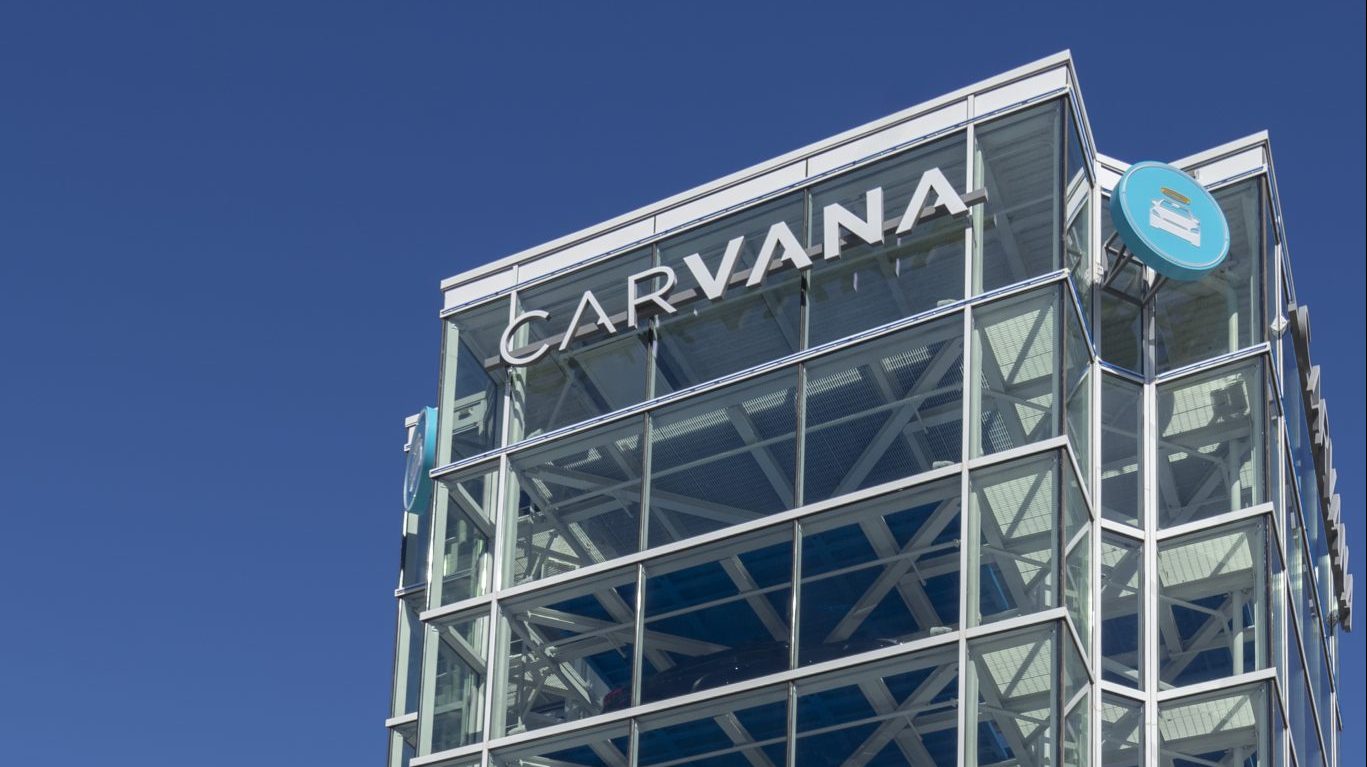
Carvana (NYSE:CVNA | CVNA Price Prediction) released its third-quarter earnings report last week, revealing record revenue of $5.6 billion, up 55% year-over-year, driven by 155,941 retail units sold, a 44% increase. However, the company posted earnings of $1.03 per share,…

Carvana (NYSE:CVNA | CVNA Price Prediction) released its third-quarter earnings report last week, revealing record revenue of $5.6 billion, up 55% year-over-year, driven by 155,941 retail units sold, a 44% increase. However, the company posted earnings of $1.03 per share, missing analyst expectations of $1.30, amid concerns over subprime loan performance and operational costs.
The market reacted sharply, selling off shares by as much as 17%, though the stock has since bounced 8% higher from its post-earnings low. Despite the stock remaining below the pre-report price, analysts maintain a buy rating, with a consensus price target around $415 per share, suggesting 26% upside. But with rising auto loan delinquencies and broader market pressures, is Carvana really in trouble?
Industry Headwinds and Climbing Delinquencies
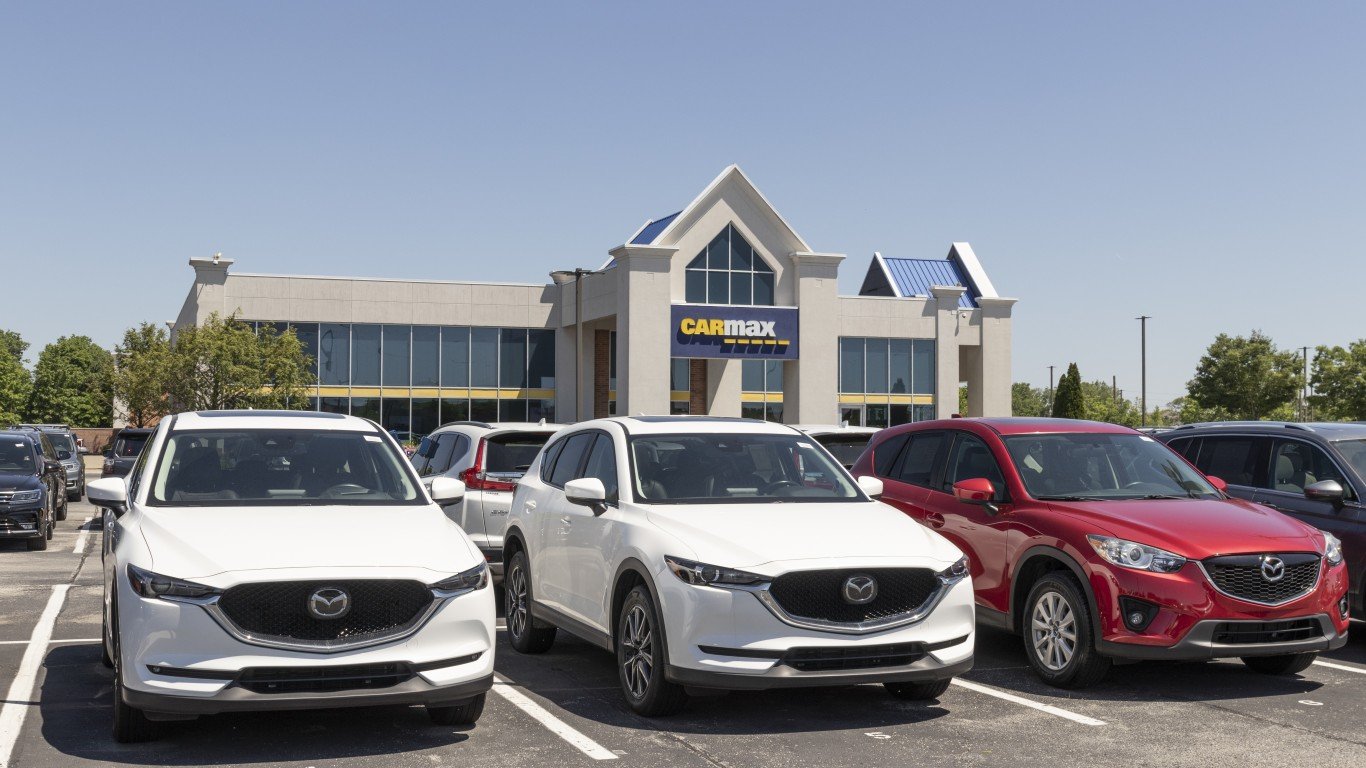
CarMax (NYSE:KMX) recently highlighted the challenges in the used-car sector with its own preliminary Q3 results, which triggered a 23% stock drop, alongside the abrupt departure of its CEO. The company cited weak sales and rising loan provisions, attributing issues to deteriorating auto market factors like high interest rates and softening consumer demand, beyond its internal operations.
This echoes broader industry struggles, where flat auto loan balances at $1.66 trillion persist despite higher unit sales, due to more cash deals and lower vehicle prices.
Auto loan delinquencies are also on the rise, signaling potential stress for lenders like Carvana. According to analysts at Wolf Street, 60-day delinquencies for subprime auto loans hit 6.5% in September, the highest ever for that month in the last 30 years, up from 6.12% a year ago. Overall, the 60-plus-day rate for all auto loans held at 1.57%.
The New York Federal Reserve further reported a flow into serious delinquency of 90 days or more of 2.99% for auto loans in Q3, up from 2.90% a year earlier, amid total household debt reaching $18.59 trillion. These trends reflect growing consumer burdens from high rates and stagnant balances.
Carvana’s Growing Subprime Footprint
Carvana’s loan portfolio is heavily tilted toward riskier borrowers, with 44% classified as nonprime (credit scores 601-660). According to a report earlier this year by short-seller Hindenburg Research, over 80% of its recent nonprime deals are in the deep subprime category.
The used car dealership originates more loans today than in prior years, aligning with its 44% unit sales growth in Q3, as it finances most purchases to boost revenue. However, this expansion brings challenges, particularly as Carvana’s 60-day delinquencies among its prime borrowers are four times the industry average.
While Carvana reported no major concerning trends in its 2024 and 2025 originations during the earnings call, analysts note rising provisions for potential losses, indicating mounting pressures from the subprime segment.
To mitigate risks, Carvana securitizes loans into asset-backed securities (ABS), selling them to investors and shifting credit risk off its balance sheet. This has supported liquidity, with over $15 billion in ABS outstanding.
Yet, the practice carries dangers, including opacity in structures tied to entities like Cerberus Capital, potential conflicts from related-party transactions — its CEO runs DriveTime, a private car dealership that serves as a loan servicer to Carvana — and vulnerability to market freezes if defaults spike, as seen in peer bankruptcies like PrimaLend.
Key Takeaway
Carvana’s Q3 report should be seen as signaling early cracks in its foundation, as escalating consumer debt burdens — evident in record subprime delinquencies — erode borrower stability and pressure the company’s finances.
Despite a dramatic resurgence from near-bankruptcy in 2023, with shares up over 6,800% since then, the reliance on high-risk lending and opaque securitizations heightens collapse risks if market conditions worsen.
The recent stock bounce offers investors a window to secure any profits and step to the sidelines, avoiding the coming downturn in this volatile sector.
Contact [email protected] for any questions or corrections.
After two decades of patrolling the dark corners of suburbia as a police officer, Rich Duprey hung up his badge and gun to begin writing full time about stocks and investing. For the past 20 years, he’s been cruising the markets looking for companies to lock up as long-term holdings in a portfolio while writing extensively on the broad sectors of consumer goods, technology, and industrials. Because his experience isn’t from the typical financial analyst track, Rich is able to break down complex topics into understandable and useful action points for the average investor. His writings have appeared on The Motley Fool, InvestorPlace, Yahoo! Finance, Money Morning, and, of course, 24/7 Wall St. He has been featured in both U.S. and international publications, including MarketWatch, Financial Times, Forbes, Fast Company, and USA Today.