Trade Wars Could Push Market Down 20%
The U.S. president has suggested the tariff on Chinese goods should be 100%. The effects of a trade war with China would be immediate and broad.

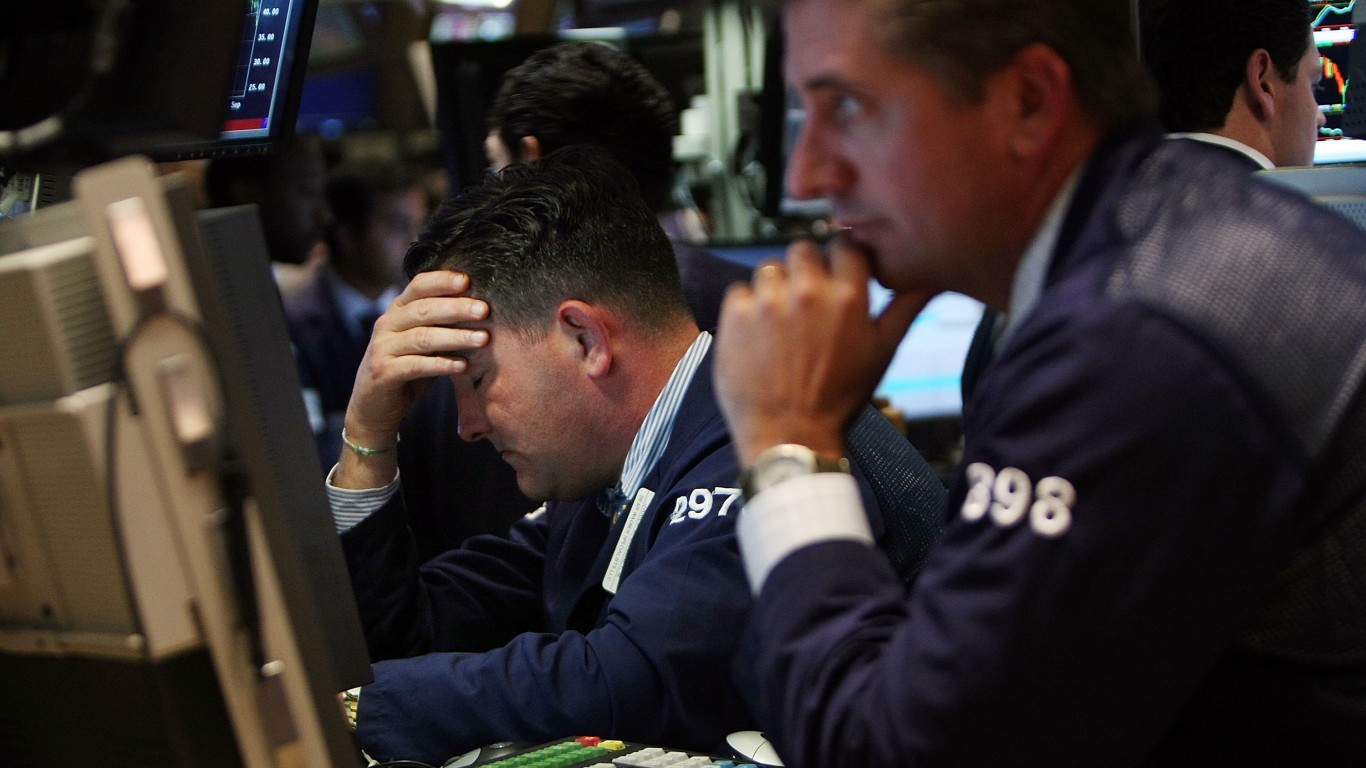
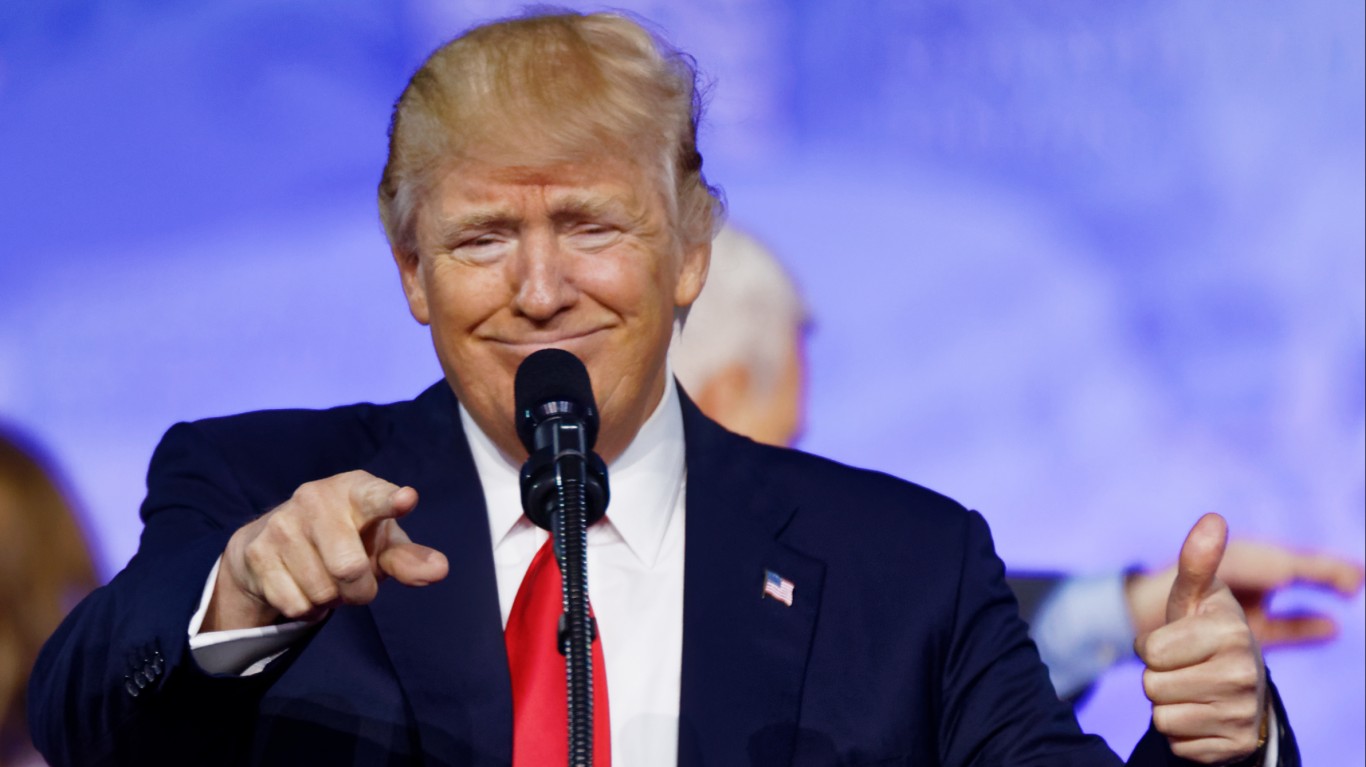
President Trump’s plan to impose large tariffs on many nations was the primary driver of the 20% drop in the S&P 500 that began on April 2 of this year. Among the largest tariff plans was to raise tariffs on China to 54%. Briefly, it was suggested that the China tariff would be 245%. That means America’s largest trade partners—China, Canada, and Mexico—faced a financial catastrophe that would deeply wound their economies and might push U.S. inflation back to the 9% level seen in 2022.
Last week, Trump suggested the tariff on Chinese goods should be 100%.
A Trade War

The April announcements also raised anxiety about reciprocal tariffs. Agricultural goods sent to China accounted for a large share of farmers’ income. These also included mineral oil, electronics, and semiconductors.
Exports to Canada included auto parts. Often, these were used to make vehicles that were sent back to the United States. Exports to Mexico included machinery and car parts.
A trade war with China would have immediate and widespread effects on the U.S. economy. Companies like Walmart rely heavily on China. Walmart imports about 60% of its merchandise from there. Other retailers have similar numbers.
China might punish U.S. companies there to pressure the U.S. government to get to the bargaining table quickly. The Chinese government could retaliate by limiting the activity of American companies that do business in the country. This would be wide-ranging and would hit companies like Starbucks and Walmart.
Inflation crippled the U.S. economy in mid-2022. As the consumer price index hit 9%, Americans’ purchasing power evaporated. Since consumer activity is two-thirds of gross domestic product, the national economy could suffer turmoil.
One reason the stock market reacts so violently to trade talk is that the president can change his mind from day to day. In this market, it is impossible to forecast the future of many companies and industries. The president’s plans can disrupt some days and be calm on others.
The slow pace of tariff talks with China has upset President Trump. It is impossible to say whether he will change his tariff plans if those talks quicken.
Chinese Companies Added to the U.S. Blacklist in 2025
Contact [email protected] for any questions or corrections.
Douglas A. McIntyre is the co-founder, chief executive officer and editor in chief of 24/7 Wall St. and 24/7 Tempo. He has held these jobs since 2006.
McIntyre has written thousands of articles for 24/7 Wall St. He is an expert on corporate finance, the automotive industry, media companies and international finance. He has edited articles on national demographics, sports, personal income and travel.
His work has been quoted or mentioned in The New York Times, The Wall Street Journal, Los Angeles Times, The Washington Post, NBC News, Time, The New Yorker, HuffPost USA Today, Business Insider, Yahoo, AOL, MarketWatch, The Atlantic, Bloomberg, New York Post, Chicago Tribune, Forbes, The Guardian and many other major publications. McIntyre has been a guest on CNBC, the BBC and television and radio stations across the country.
A magna cum laude graduate of Harvard College, McIntyre also was president of The Harvard Advocate. Founded in 1866, the Advocate is the oldest college publication in the United States.
TheStreet.com, Comps.com and Edgar Online are some of the public companies for which McIntyre served on the board of directors. He was a Vicinity Corporation board member when the company was sold to Microsoft in 2002. He served on the audit committees of some of these companies.
McIntyre has been the CEO of FutureSource, a provider of trading terminals and news to commodities and futures traders. He was president of Switchboard, the online phone directory company. He served as chairman and CEO of On2 Technologies, the video compression company that provided video compression software for Adobe’s Flash. Google bought On2 in 2009.