Will Fed Chair Pick Kevin Warsh Kill the Trump Bull Market? 1 Decision Matters More Than Anything Else
Wall Street has spent the past two years climbing a wall of worry. Sticky inflation, elevated interest rates, recession fears, and geopolitical tensions all failed to stop the market’s advance. The S&P 500 has still pushed to fresh highs, powered…

This post may contain links from our sponsors and affiliates, and Flywheel Publishing may receive compensation for actions taken through them.

Wall Street has spent the past two years climbing a wall of worry. Sticky inflation, elevated interest rates, recession fears, and geopolitical tensions all failed to stop the market’s advance. The S&P 500 has still pushed to fresh highs, powered largely by artificial intelligence spending, resilient consumer demand, and surprisingly durable corporate earnings.
Now investors face a different question: What happens when President Donald Trump gets his own Federal Reserve chair?
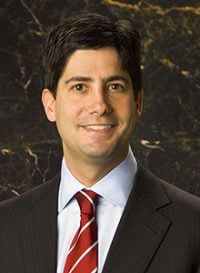
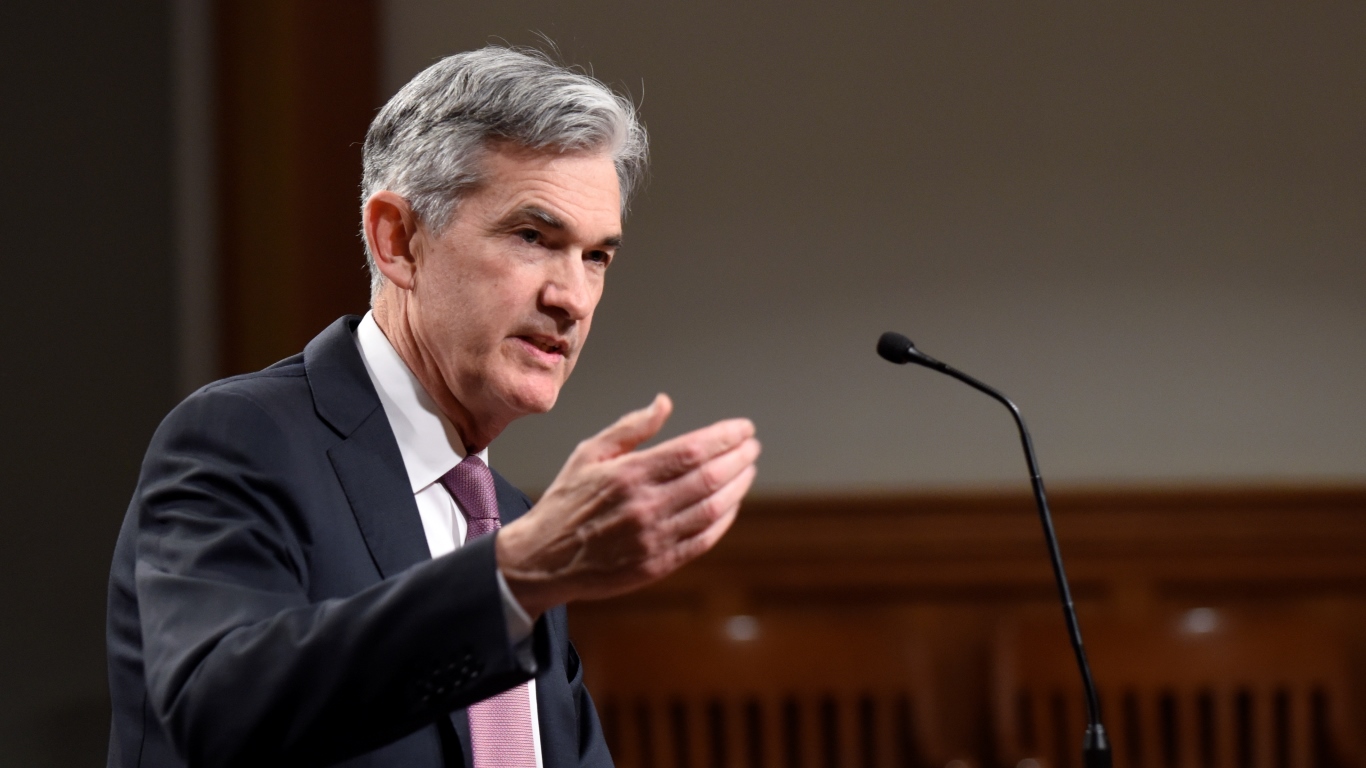
Jerome Powell’s term as Fed chair ends Friday, and Trump’s nominee, Kevin Warsh, cleared the Senate Banking Committee ahead of an expected confirmation vote this week. Markets are paying close attention because Warsh has repeatedly criticized one of the biggest financial experiments in modern history — the Federal Reserve’s massive balance sheet.
Whether that becomes a problem for the bull market comes down to one key factor.
What the Fed’s Balance Sheet Actually Is
The Federal Reserve’s balance sheet exploded during multiple crises. According to Fed data, total assets rose from roughly $900 billion before the 2008 financial crisis to nearly $9 trillion by 2022 after years of quantitative easing, or QE.
That’s where the Fed creates money electronically and uses it to buy Treasury bonds and mortgage-backed securities.
The goal was simple:
- Lower interest rates
- Support lending
- Stabilize financial markets
- Push investors toward risk assets like stocks
And it achieved its goal. Since the March 2009 market bottom, the S&P 500 has returned more than 900%. The Fed wasn’t solely responsible, but ultra-loose monetary policy became rocket fuel for asset prices — though critics like Warsh contend it created “asset bubbles.”
The nominee has argued that easy money went too far. In speeches and interviews, he has criticized the Fed for becoming overly involved in markets and allowing its balance sheet to remain bloated long after emergency conditions faded.
That matters because shrinking the balance sheet removes liquidity from the financial system.
Why Investors Should Care About Quantitative Tightening
The Fed is already reducing its holdings through quantitative tightening, or QT, allowing bonds to mature without replacing them. The balance sheet has already fallen from roughly $8.9 trillion in 2022 to about $6.8 trillion today.
Surprisingly, stocks handled that decline fairly well. Why? Because the process was gradual.
Let’s compare what aggressive versus measured balance-sheet reduction could mean:
| Scenario | Likely Economic Impact | Market Impact |
| Slow QT | Moderate tightening | Stocks adjust gradually |
| Rapid QT | Liquidity drain | Higher volatility |
| Forced asset sales | Sharp yield spikes | Risk of market correction |
| Stable reserves maintained | Banking system stable | Bull market can continue |
The danger is that liquidity acts like financial oxygen. Remove too much too quickly and parts of the market can struggle to breathe. When the Fed shrinks its holdings, Treasury yields often rise because a major buyer exits the market. Higher yields ripple through the economy:
- Mortgage rates rise
- Corporate borrowing costs increase
- Credit becomes tighter
- Consumers spend less
That eventually pressures earnings growth.
Granted, some investors actually support a smaller balance sheet. They argue QE inflated bubbles in stocks, crypto, housing, and prices. That criticism is not entirely wrong. The Nasdaq 100 trades at roughly 31 times forward earnings today, compared to its 10-year average near 24.
Still, markets rarely react badly to tightening itself. They react badly to tightening that arrives too quickly.
The 1 Thing That Will Decide the Bull Market’s Fate
In any case, the key variable is speed. If Warsh slowly reduces the balance sheet over several years, markets can likely absorb the change. Economic growth may cool modestly, but liquidity would not suddenly disappear. That resembles the current QT process investors already adapted to.
But if he aggressively cuts trillions from the balance sheet in a short period, risks rise sharply.
The last time reserve levels fell too quickly, cracks appeared in the financial plumbing. The 2019 repo market seizure forced the Fed to inject emergency liquidity after overnight borrowing rates unexpectedly spiked to nearly 10%. That episode showed how dependent markets became on abundant reserves.
Sharp investors should also remember that today’s federal debt picture looks very different than it did a decade ago. U.S. debt now exceeds $38 trillion, so if the Fed rapidly exits the Treasury market, private buyers may demand higher yields to absorb all that issuance. Higher yields compete directly with stocks for investor capital.
Key Takeaway
In short, Warsh himself is not necessarily the threat to the Trump bull market. His philosophy on how quickly to shrink the Fed’s balance sheet is what matters.
A slow reduction likely keeps the expansion intact while gradually normalizing markets. A rapid drawdown could tighten liquidity fast enough to pressure stocks, credit markets, housing, and economic growth simultaneously.
Regardless, investors should stop focusing only on interest rates. Under Warsh, the size — and speed — of the Fed’s balance sheet reduction may become Wall Street’s most important number.
Contact [email protected] for any questions or corrections.
After two decades of patrolling the dark corners of suburbia as a police officer, Rich Duprey hung up his badge and gun to begin writing full time about stocks and investing. For the past 20 years, he’s been cruising the markets looking for companies to lock up as long-term holdings in a portfolio while writing extensively on the broad sectors of consumer goods, technology, and industrials. Because his experience isn’t from the typical financial analyst track, Rich is able to break down complex topics into understandable and useful action points for the average investor. His writings have appeared on The Motley Fool, InvestorPlace, Yahoo! Finance, Money Morning, and, of course, 24/7 Wall St. He has been featured in both U.S. and international publications, including MarketWatch, Financial Times, Forbes, Fast Company, and USA Today.