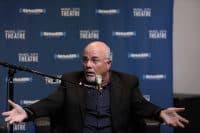
Dave Ramsey: ‘There’s No Tax Write-Off for a HELOC’ When Used for Everyday Spending
The tax tail should never wag the financial dog, yet countless Americans make borrowing decisions based on misunderstood deductions. The myth that all mortgage debt creates valuable tax benefits persists, often pushed by advisors who should know better. On a…


The tax tail should never wag the financial dog, yet countless Americans make borrowing decisions based on misunderstood deductions. The myth that all mortgage debt creates valuable tax benefits persists, often pushed by advisors who should know better.
On a November 21 episode of The Dave Ramsey Show, a caller revealed their financial advisor recommended taking out a $50,000 home equity line of credit specifically for the tax write-off. They followed the advice and now carry the debt, believing they’re making a smart tax move.
“There’s no tax write-off for a HELOC unless you use it to improve the home,”
Ramsey explained. The 2017 Tax Cuts and Jobs Act eliminated deductions for home equity debt used for anything other than substantial home improvements. Using a HELOC for everyday expenses, investments, or debt consolidation provides zero tax benefit.
The caller’s advisor either misunderstood current tax law or prioritized generating loan business over sound financial guidance. Ramsey told them to pay off the HELOC immediately and reconsider their advisor relationship.
The couple now faces unnecessary interest payments on $50,000 they borrowed under false pretenses, turning what they thought was tax-advantaged debt into expensive consumer borrowing secured by their home.
When Advice Costs You
This story exposes a dangerous reality: financial advisors don’t always have your best interests at heart, and outdated tax knowledge can be expensive. Even if this HELOC qualified for a deduction (which it doesn’t), the math rarely works. Paying $3,000 in interest to save $750 in taxes isn’t strategy, it’s loss. The couple borrowed $50,000 they apparently didn’t need, secured by their home, based on a tax benefit that disappeared in 2017. They’re now paying 8-10% interest on consumer spending while their advisor likely earned a commission. The real lesson isn’t about tax law, it’s about questioning advice that involves you taking on debt for supposed benefits. If your advisor’s recommendation requires borrowing money, get a second opinion from someone who doesn’t profit from the loan.
Contact [email protected] for any questions or corrections.
Austin Smith is a financial publisher with over two decades of experience as an investor, analyst, and advisor. He covers stocks, ETFs, Artificial intelligence and personal finance for 24/7 Wall St. Previously, he spent over a decade at The Motley Fool as a senior editor for Fool.com, portfolio advisor for Millionacres, and launched The Ascent to help reader take control of their personal finances.
His work has been featured on Fool.com, NPR, CNBC, USA Today, Yahoo Finance, MSN, AOL, Marketwatch, and many other publications. He is as an advisor to private companies, and co-hosts The AI Investor Podcast with Eric Bleeker.
When not looking for investment opportunities, he can be found skiing, running, or playing soccer with his children. Learn more about Austin's investment approach here.