New Year’s Checklist: 10 Things to Do to Prepare Your Portfolio for Its Best Year Yet
As we head into what could be a very profitable (and volatile) 2026 for investors, there are plenty in the market with different goals. Some may want to see their portfolios grow at a market-beating pace. Others who may be…

This post may contain links from our sponsors and affiliates, and Flywheel Publishing may receive compensation for actions taken through them.

As we head into what could be a very profitable (and volatile) 2026 for investors, there are plenty in the market with different goals. Some may want to see their portfolios grow at a market-beating pace. Others who may be closer to retirement may be focusing instead on capital preservation and ensuring they don’t lose more than the market. Those are very different goals.
I’ve scoured my own personal checklists, and considered a number of other similar checklists (many of which contain the same to-do action items) from personal finance experts, and tried to consolidate these ideas into my top 10 things every investor should do to make 2026 the best year yet.
Of course, a significant portion of one’s potential returns in 2026 will have to do with market dynamics, and are completely outside of investors’ control. But all we can control is what’s within our circle of competency, so let’s tackle what investors should be focusing most closely on right now.

Evaluate Portfolio Allocations
For investors who are heavily exposed to AI and growth stocks, having some amount of balance within their portfolios, either via fixed income ETFs, holding some amount of cash or gold, or investing in alternative assets, can provide better risk-adjusted returns. Sometimes, it’s not about beating the market, but seeing one’s portfolio trend higher in a less-volatile fashion (which can keep investors in the game longer than if they panic and sell at the wrong time).
Portfolio allocation matters a great deal.
Consider Rebalancing Before the End of the Year
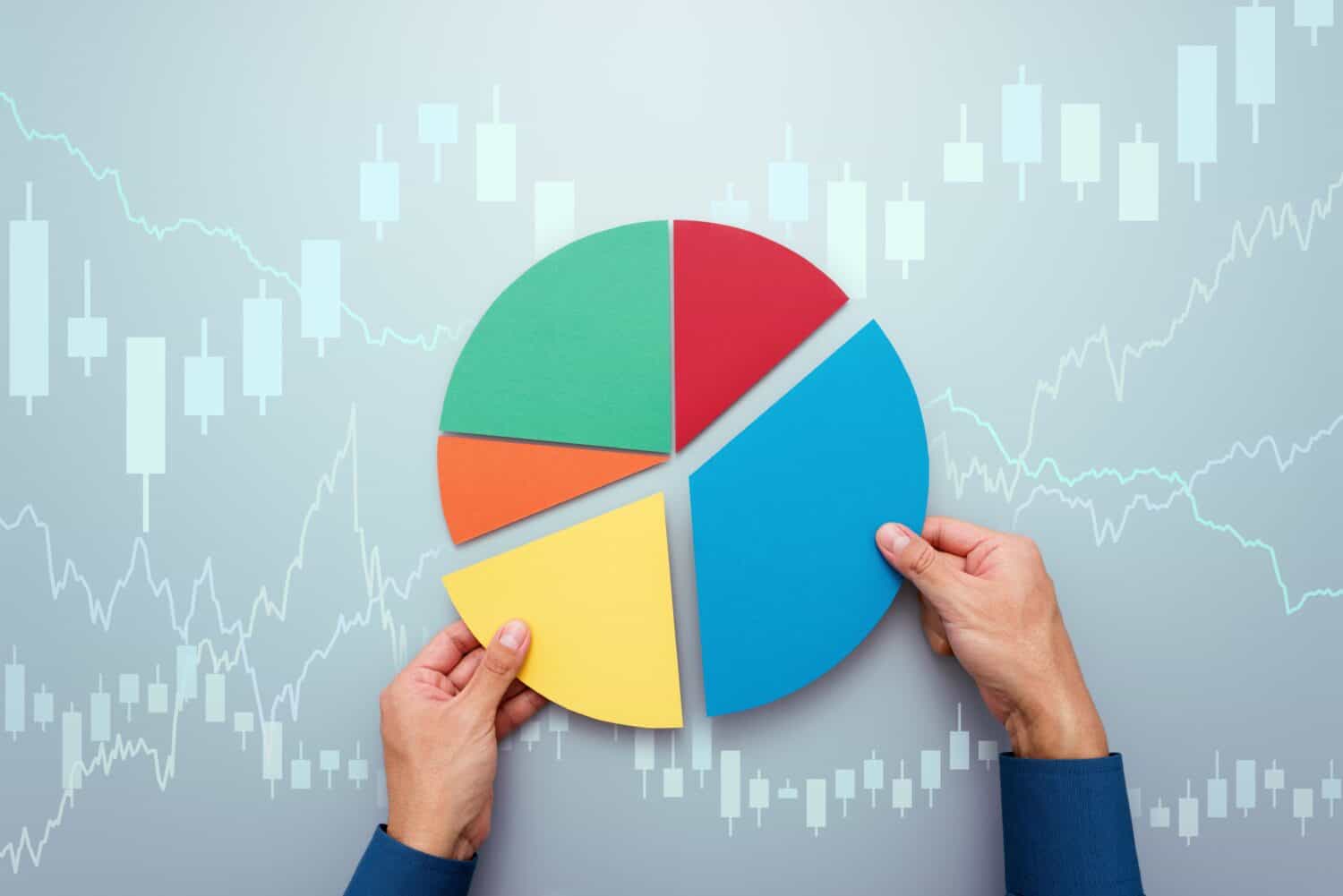
As we near the end of 2025, portoflio rebalancing can be a helpful activity, particularly for those with capital gains and some taxable losses they can potentially harvest to offset those gains. I’d say this section is best described as “talk to your accountant or financial advisor before the end of the year.” That advice can be worth its weight in gold.
Optimize Tax Strategies for 2026
The Trump administration has passed its tax and spending bill, which has real repercussions not only for the 2026 tax year (reported in early 2027) but also for this fiscal year. For those looking to maximize their tax return in the coming quarter, or pay less taxes than they may have otherwise expected to pay, discussing tax planning strategies with one’s team of advisors and experts is another helpful move I think is best done in the next few weeks. That’s because many of these tax breaks need to be taken advantage of before the end of the year, so don’t wait!
Evaluate Sector-Specific Risks
Some investors like to focus on one group of stocks, be they value, growth or dividend-paying equities. Others seem to overweight specific sectors such as technology or financials. One could argue that a concentrated strategy (focused mainly on tech) has been the right move for a long time. But that may not necessarily be the case moving forward.
Reassessing one’s sector exposures, and how they want their portfolio to look five or 10 years down the line (either evenly-weighted or otherwise) is important. Now is a great time of year to review this exposure.
Review Insurance and Other Deductibles

Another year-end task that can be helpful, though it’s not necessarily investment related, is to review one’s insurance policies, subscriptions, and other fixed costs which can often rise over time without us knowing. Quoting out one’s insurance or banking business, and achieving better rates, can save thousands (or tens or hundreds of thousands, depending on one’s holdings) over time. This is something I do religiously every three to five years, though I know others that do this annually.
Make a Budget for 2026

Another personal finance tip I follow (though I know many of my peers don’t) is re-assess how much I expect to spend each month, and try to actually manage my budget on a monthly basis. Now, this takes a significant amount of time, and isn’t an easy exercise (particularly as more accounts are opened at different financial institutions). But having a handle on how much is coming in and how much is going out is a big deal, particularly for those looking to grow their wealth meaningfully over time.
Consider Long-Term Planning Needs

Whether it’s updating a will, putting together a trust, or just reviewing one’s estate planning documents for the long-term, the end of the year is a great time to add or subtract assets from one’s legal documents and get that out of the way for the next 12 months. For those with children, or those who are aging or may have medical issues, this is an even more pressing concern. There’s never a better time than now to tackle these things that can linger, but the end of year can be the “cleanup” time many choose to do so.
Add Another Income Stream
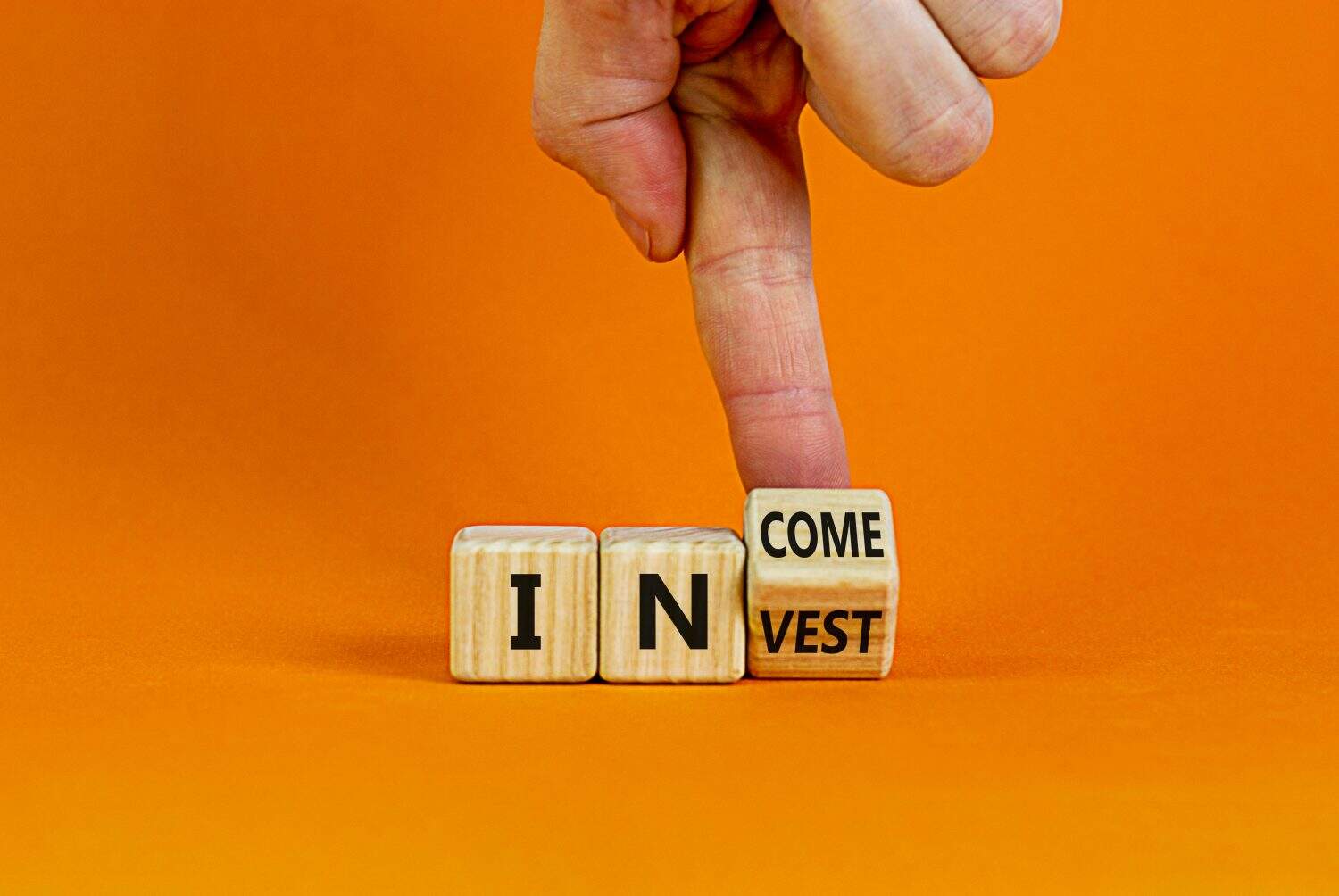
For those looking to truly crush 2026 and hit all of one’s investing and personal finance goals, reassessing the size of one’s shovel (how much one is able to bring in every month) can have as big of an impact, or an even bigger impact, than watching one’s spending. In theory, an individual can increase their compensation in an unlimited fashion, but costs can only get cut so much. Planning for another income stream, such a side hustle or a profitable hobby, can pay big dividends over long periods of time.
Take Inventory of the Economy

For many, simply securing one’s job via a contract for a specified period of time is the way to go. Those who are more risk averse may benefit from having cash flow stability, and monitoring one’s own personal situation and trying to place a moat around one’s job or one’s portfolio is a good thing.
Staying up to date on macroeconomic developments can provide a big boost over the long-term. That’s why you’re likely reading this piece – because you’re trying to get ahead of the game!
Set Meaningful (But Measurable Goals)

A new year can bring about feelings of invisibility, or the need to do too much. I’ve always thought that most people underestimate what they can do in five years, but they overestimate what they can do in one. Keeping things realistic, and setting goals with an achievable bar can be the best thing for most reading this piece.
Wishing everyone a prosperous and healthy 2026!
Contact [email protected] for any questions or corrections.
Chris MacDonald is a 24/7 Wall St. contributor and long-time contributor to other notable finance publications, including The Motley Fool and InvestorPlace. With an MBA in Finance, and more than a decade of experience in venture capital and the corporate finance world, Chris brings a long-term perspective to his analysis of equities and alternative assets.
His love of investing and focus on finding quality undervalued stocks is complemented by recent research into alternative assets as well. He takes a long-term approach to analyzing companies and cryptos, with a focus on directing the reader to the most sustainable and important catalysts for each respective potential investment.