Disney+ Churn Rate: The One Number That Shows If Streaming Is Working
Disney doesn’t report Disney+ churn rates. That silence tells you everything. While Netflix (NASDAQ:NFLX | NFLX Price Prediction) doesn’t publicly disclose specific monthly churn figures, Walt Disney (NYSE:DIS) won’t disclose the number at all. Here’s why it matters: churn reveals…

This post may contain links from our sponsors and affiliates, and Flywheel Publishing may receive compensation for actions taken through them.

Disney doesn’t report Disney+ churn rates. That silence tells you everything.
While Netflix (NASDAQ:NFLX | NFLX Price Prediction) doesn’t publicly disclose specific monthly churn figures, Walt Disney (NYSE:DIS) won’t disclose the number at all. Here’s why it matters: churn reveals whether you’re building a library people keep paying for or a content treadmill they hop on and off.
The Bundling Confession
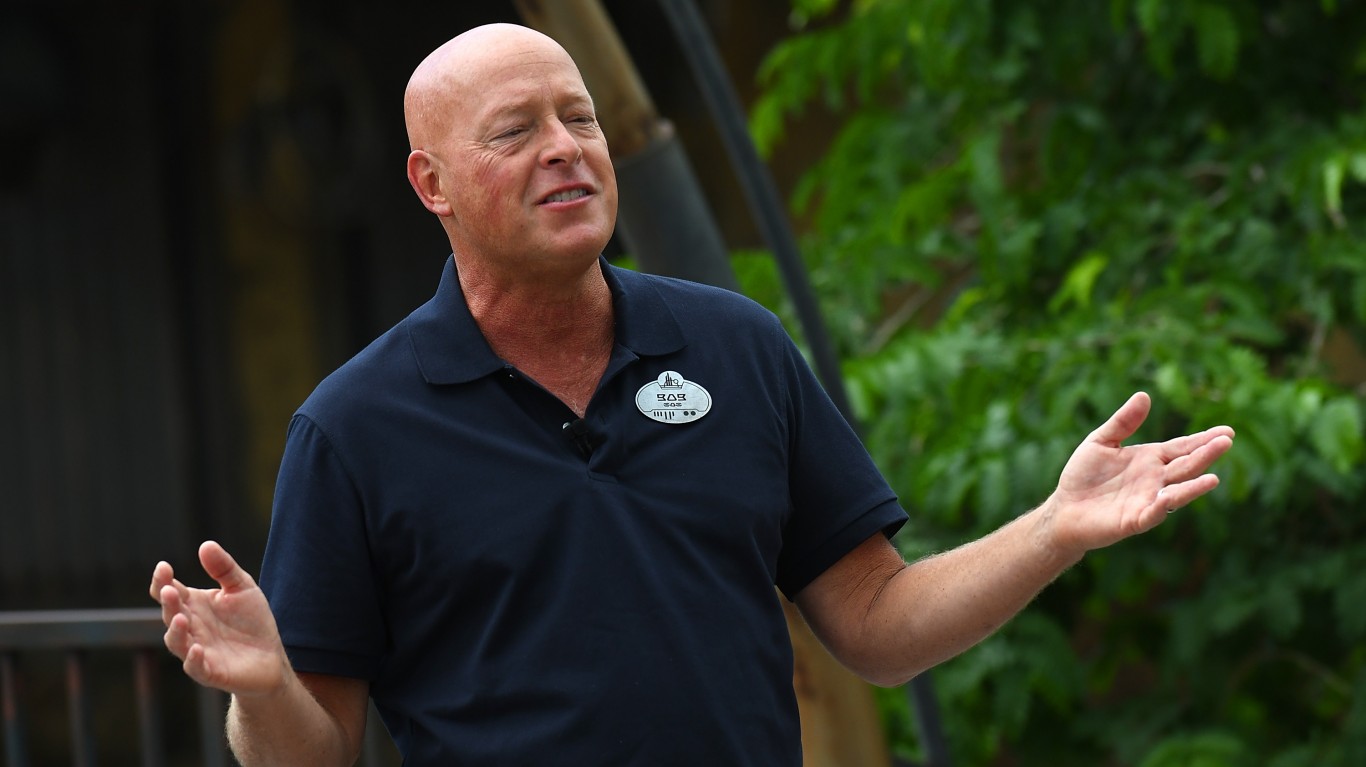
On the Q4 2025 earnings call, CEO Bob Iger admitted what the churn data would suggest: “Subscribers that bundle Disney Plus and Hulu, or subscribers that bundle Disney Plus, Hulu, and ESPN, are healthier subscribers in the sense that the churn rates are lower than the subscriber that only subscribes to one app.”
Translation: This likely means single-app Disney+ subscribers have higher cancellation rates. So Disney’s solution isn’t better content—it’s ecosystem lock-in. The company is betting on bundling as a churn mitigation strategy rather than standalone product strength.
Why This Number Matters More Than Subscriber Adds
Disney reports net subscriber growth, which can mask underlying churn issues. High churn means spending billions on content to replace departing subscribers rather than building a sticky base.
Disney’s streaming business recently turned profitable after years of losses—and they’re doing it by bundling, not by creating content people won’t cancel. The bundling strategy reduces churn and creates pricing power, but it’s a workaround for a standalone product that may struggle with retention.
The Verdict
Disney+ churn rate is the metric that determines whether streaming saves Disney or becomes an expensive distraction. Bundling works as a retention strategy, but it’s a confession: the standalone product isn’t sticky enough. Until Disney reports actual churn numbers, assume they’re bad. Because if they were good, we’d know.
Contact [email protected] for any questions or corrections.
I write to invest, and I invest to spend more time with nature. Usually all at the same time. I'm a retired equities guy who saw a recession or four, and lives for what comes out of the other side of them.
I cover stocks across the board cause even though I feel like I've seen it all, there's always another way out there to make, and lose money. I want to help you do more of the former, and none of the latter. Making money with friends is my oxygen.
Let's go!