Platinum ETF PLTM Surges 32% as Platinum Supply Crunch Continues
Platinum has experienced significant gains recently, driven by supply constraints and shifting industrial demand. Investors in GraniteShares Platinum Trust (NYSE:PLTM) have benefited from this rally, which stems from supply constraints colliding with shifting industrial demand patterns. The ETF’s structure—holding physical…

This post may contain links from our sponsors and affiliates, and Flywheel Publishing may receive compensation for actions taken through them.

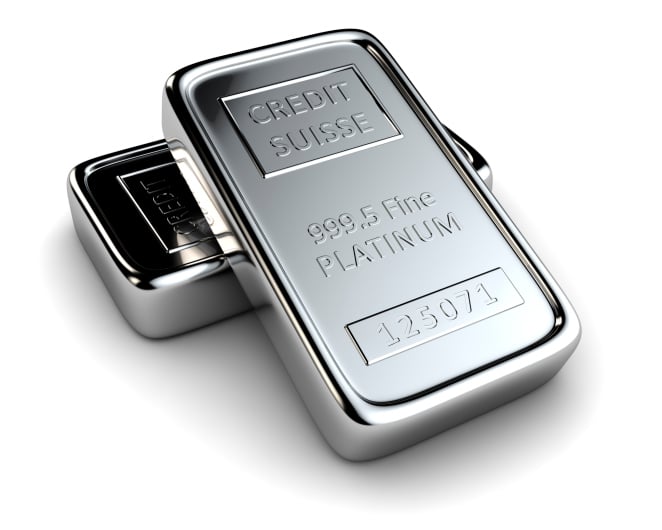
Platinum has experienced significant gains recently, driven by supply constraints and shifting industrial demand. Investors in GraniteShares Platinum Trust (NYSE:PLTM) have benefited from this rally, which stems from supply constraints colliding with shifting industrial demand patterns. The ETF’s structure—holding physical platinum bullion—means investors capture spot price movements without the operational complexity of mining companies, making it a pure play on the metal’s supply-demand dynamics. With shares up 32% year to date, the question now is whether this momentum can continue or if the metal faces headwinds from competing demand drivers.
The Auto Industry Dilemma
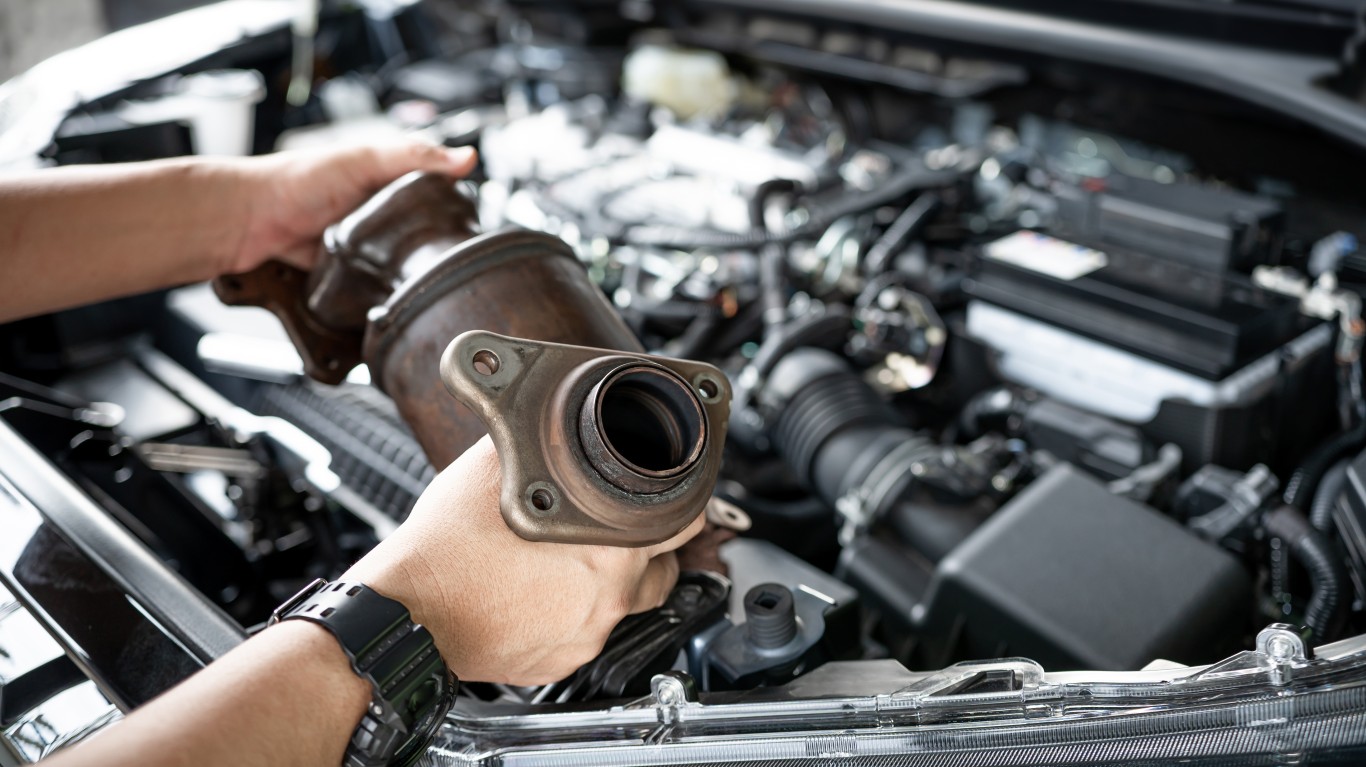
Platinum’s largest industrial use remains catalytic converters, and the elimination of federal EV tax credits in mid-2025 has extended this demand runway. Traditional automakers like General Motors (NYSE:GM | GM Price Prediction) now have breathing room to continue profiting from their SUV and truck lines while absorbing EV development costs at a slower pace. This policy shift has temporarily stabilized platinum’s core automotive demand, giving the metal a reprieve from electrification pressures.
But this is a double-edged sword. While slower EV adoption preserves near-term platinum demand, the long-term trajectory still points toward electrification. Auto manufacturers are not abandoning EV development; they are recalibrating timelines. Investors should monitor quarterly auto production data from the International Organization of Motor Vehicle Manufacturers, which publishes global production statistics monthly. A sustained decline in diesel vehicle output, particularly in Europe where diesel penetration remains high, would signal weakening structural demand for platinum.
The Hydrogen Economy Wildcard
The hydrogen economy represents platinum’s alternative growth path, where the metal catalyzes fuel cell reactions. Plug Power (NASDAQ:PLUG)’s electrolyzer business illustrates this emerging opportunity—sequential growth of 46% in Q3 2025 shows infrastructure momentum is building. However, the company’s $361 million quarterly loss reveals that commercial viability remains years away, meaning hydrogen cannot yet compensate for any automotive demand erosion.
The key metric to track is electrolyzer deployment announcements and government policy support, particularly in Europe and Asia where hydrogen strategies are most aggressive. The International Energy Agency publishes quarterly hydrogen market reports that detail capacity additions and policy developments.
PLTM’s performance over the next year will depend on whether hydrogen adoption accelerates fast enough to offset eventual declines in automotive demand, while geopolitical risks in South African and Russian supply remain a wildcard that could spike prices regardless of demand fundamentals.
Contact [email protected] for any questions or corrections.
I am a long time investor and student of business, and believe finding good companies that can become great investments is the best game on earth. After 20 years of writing and researching the public markets it is clear that individuals have never had more tools and information to take control of their financial lives. From ETFs and $0 commissions to cryptos and prediction markets there has never been a greater democratization of access to investing.
I write to help people understand the investments available to them so they can make the best choice for their portfolio, whether they're starting out or looking for income in retirement.