SLV’s $38 Billion Couldn’t Stop the 7% Fed Triggered Meltdown
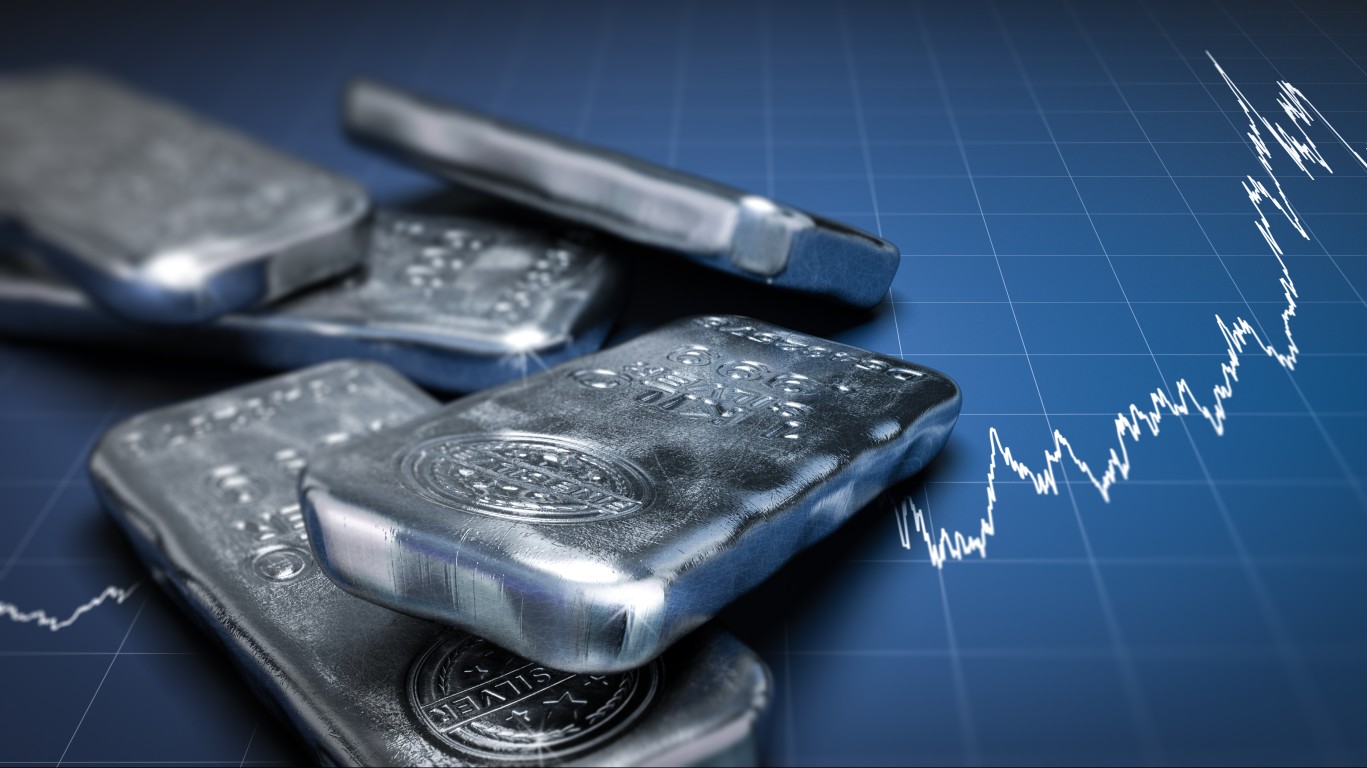
iShares Silver Trust (NYSEARCA:SLV) dropped nearly 7% last week, a sharp reversal that caught traders’ attention. After the ETF’s 139% gain over the prior 12 months, people may have had unrealistic expectations that rally would continue. Reddit sentiment turned sharply…


iShares Silver Trust (NYSEARCA:SLV) dropped nearly 7% last week, a sharp reversal that caught traders’ attention. After the ETF’s 139% gain over the prior 12 months, people may have had unrealistic expectations that rally would continue. Reddit sentiment turned sharply bearish, with traders on r/wallstreetbets celebrating profitable put positions while others posted loss screenshots. A viral post titled “Gold -8% below $5,000 and silver -17% to $95 after Trump nominates Kevin Warsh as Fed chair, dollar surges” captured the mood, drawing over 4,800 upvotes as traders debated whether the precious metals rally had ended.
The Dollar and Real Rates Are the Macro Story
Silver’s biggest headwind is the relationship between the U.S. dollar and real interest rates. When the dollar strengthens or Treasury yields rise relative to inflation expectations, non-yielding assets like silver become less attractive. The 10-year Treasury yield stood at 4.21% as of February 5, 2026, elevated enough to pressure precious metals. Investors should monitor the Federal Reserve’s policy trajectory and watch for shifts in real yields, which can be tracked through TIPS spreads or the relationship between nominal Treasury yields and inflation expectations.
The Kevin Warsh nomination for Fed chair, announced in late January, catalyzed the selloff by signaling policy continuity that favors a stronger dollar. Any move toward sustained rate cuts or dollar weakness would support silver, while a hawkish Fed pivot strengthens the dollar and weighs on prices. Check FOMC meeting minutes and Fed chair commentary for clues about the next rate move.
Physical Market Disconnect and ETF Mechanics
The ETF-specific factor to watch is the gap between paper and physical silver markets. Despite the sharp price drop, the physical silver market remained in backwardation, meaning spot prices exceeded futures prices. This signals strong demand for immediate delivery even as futures traders sold aggressively. Significant ETF outflows during the decline added selling pressure beyond fundamentals.
SLV’s $38 billion in net assets backed by physical silver makes it the largest silver ETF, but that size also means outflows can amplify price moves. The fund’s 0.5% expense ratio keeps costs reasonable for long-term holders, though near-term performance will depend more on whether futures market selling pressure eases than on the structural demand from solar panels and electric vehicles that supports physical silver fundamentals. Investors should review the iShares Silver Trust fact sheet monthly to track changes in ounces held and any divergence between the ETF’s net asset value and spot silver prices.
Contact [email protected] for any questions or corrections.
Austin Smith is a financial publisher with over two decades of experience as an investor, analyst, and advisor. He covers stocks, ETFs, Artificial intelligence and personal finance for 24/7 Wall St. Previously, he spent over a decade at The Motley Fool as a senior editor for Fool.com, portfolio advisor for Millionacres, and launched The Ascent to help reader take control of their personal finances.
His work has been featured on Fool.com, NPR, CNBC, USA Today, Yahoo Finance, MSN, AOL, Marketwatch, and many other publications. He is as an advisor to private companies, and co-hosts The AI Investor Podcast with Eric Bleeker.
When not looking for investment opportunities, he can be found skiing, running, or playing soccer with his children. Learn more about Austin's investment approach here.