Bitcoin’s Fear Index Just Hit 9—Here’s What Happened the Last 3 Times It Got This Low
The Bitcoin Fear & Greed Index dropped to 5 on February 6, 2026. For context, the index hit 6 during the Terra/Luna collapse in June 2022 and bottomed around 12 during the FTX implosion in November 2022—making this the most…

This post may contain links from our sponsors and affiliates, and Flywheel Publishing may receive compensation for actions taken through them.

The Bitcoin Fear & Greed Index dropped to 5 on February 6, 2026. For context, the index hit 6 during the Terra/Luna collapse in June 2022 and bottomed around 12 during the FTX implosion in November 2022—making this the most extreme fear Bitcoin (CRYPTO: BTC) reading ever recorded.
Every previous reading at these levels—2018, 2020, 2022—eventually preceded rallies of 150% to 1,400%. But those recoveries took months to years, and this crash looks different—there’s no single trigger like the FTX collapse or COVID. Here’s what history suggests comes next.
What History Says About Bitcoin Extreme Fear Readings
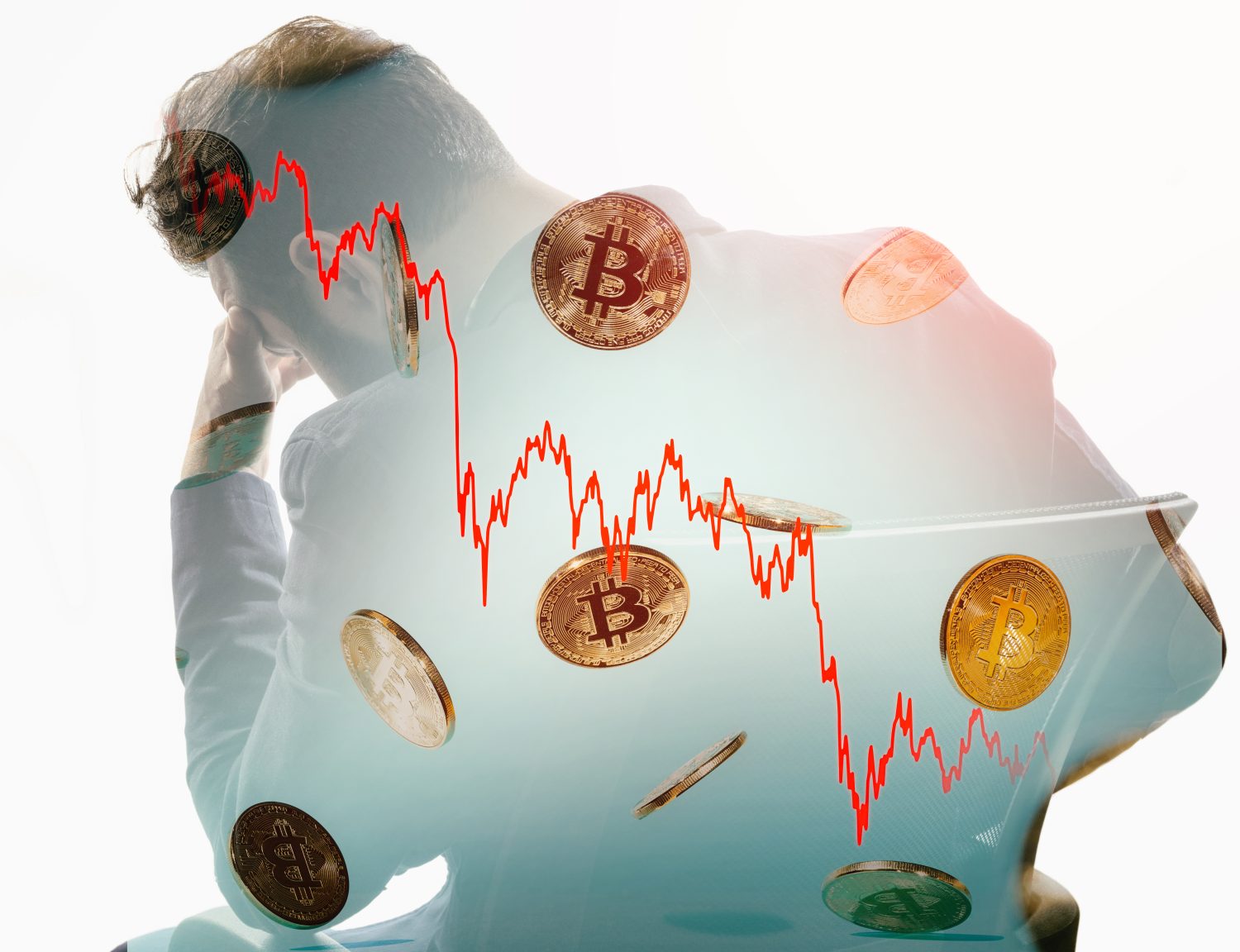
The Fear & Greed Index measures market emotion on a 0-100 scale. At 5, it shows that nearly everyone is panicking—refelcting the kind of widespread capitulation that has historically marked major bottoms.
But that doesn’t mean the bottom is in. The index flags when fear is extreme, but doesn’t tell when the reversal starts. But every time the Bitcoin Fear & Greed index dropped to these levels, a major rally eventually followed—although recoveries usually took months.
FTX Collapse (November 2022)
When FTX imploded, the Bitcoin price fell to roughly $15,500 and the Fear & Greed Index dropped to 12. Recovery was slow as Bitcoin traded sideways for months before climbing back to $40,000 by late 2023, marking a 150% gain from the lows. The extreme fear did mark the cycle bottom, but investors who bought had to wait nearly a year to see meaningful returns.
COVID Crash (March 2020)
On March 12, 2020—Black Thursday—the Bitcoin price crashed to $3,800 in a single day as global markets panicked over COVID. The Fear & Greed Index dropped to 8. But unlike the drawn-out FTX recovery, the bottom was fast and the rebound was V-shaped. By April 2021, Bitcoin had topped $60,000—a 1,400% gain that made the COVID crash one of the best buying opportunities in Bitcoin’s history. Even so, most investors didn’t recognize the bottom until months later.
Crypto Winter Bottom (December 2018)
Bitcoin fell to $3,200 in December 2018 after a brutal year-long decline from its previous all-time high near $20,000. The Fear & Greed Index stayed in extreme fear territory for weeks. But unlike the V-shaped COVID recovery, this one ground slowly higher. Bitcoin didn’t reclaim $20,000 until late 2020—two full years after the bottom—then surged to $69,000 by November 2021. That’s over 20x for anyone who held through the pain. But “holding through the pain” took years rather than months.
Why This Bitcoin Crash Looks Different
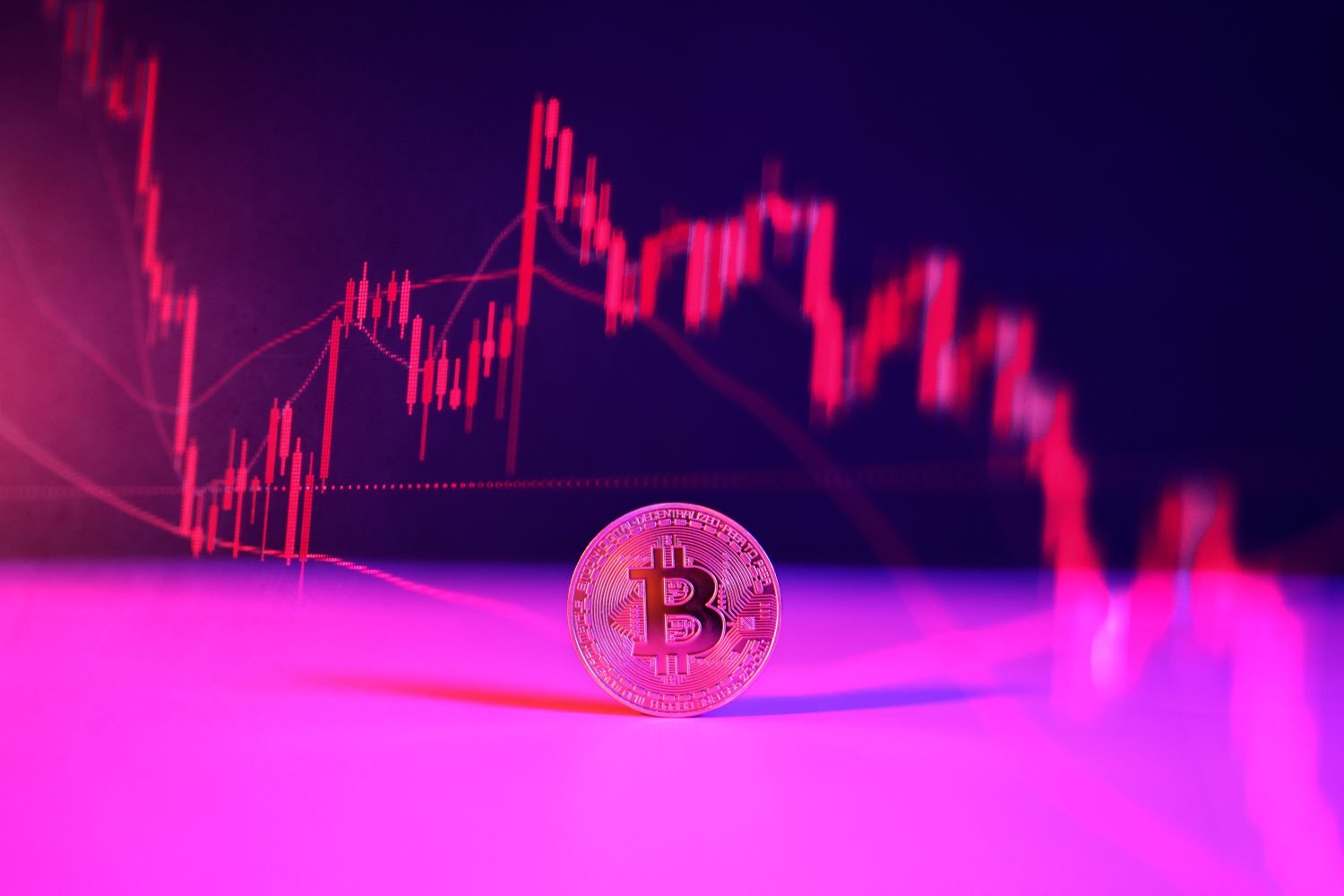
On the surface, this February Bitcoin crash has all the hallmarks of past capitulations. Over $2.6 billion in leveraged positions were liquidated within 24 hours and Open Interest collapsed from $103 billion to $61 billion as traders got wiped out. Bitcoin ETFs saw $545 million in outflows on February 4, with two-day withdrawals exceeding $816 million.
But something is different this time. The 2022 selloff had a clear trigger—FTX’s collapse—while the 2020 crash had coronavirus panic. This decline has no single shock event behind it. It’s been a slow bleed driven by macroeconomic uncertainty, Fed tightening, and no obvious catalyst for a reversal.
Institutions aren’t behaving the same way either. In past crashes, smart money eventually stepped in to buy the dip. This time, even large Bitcoin funds have turned into net sellers. ETFs and corporate holders are redeeming positions as the buying pressure that typically marks a bottom hasn’t shown up yet. A bottom can still form but the usual signals aren’t flashing yet.
What the Record Fear Reading Means for Bitcoin
The Fear & Greed Index hitting 5 tells us panic has reached historic levels—but it doesn’t tell us whether the bottom is in today, next week, or three months from now.
Extreme fear has historically been a better time to accumulate Bitcoin rather than to sell it. The three examples above—2018, 2020, 2022—all rewarded investors who bought when panic was widespread. But timing mattered less than holding the bag. Catching the exact bottom was less important than staying in the market through the recovery.
Every prior extreme fear episode eventually gave way to 100%+ rallies. But those bottoms took time—months in 2020, nearly a year after the FTX collapse, and multiple years after the 2018 crypto winter.
One thing worth noting is that in past recoveries, the Bitcoin Fear & Greed Index climbed back above 20-25 as the BTC price found a floor. The shift from extreme fear to ordinary fear often marked the point where the worst was over—and that hasn’t happened yet.
Whether this crash follows the same pattern depends on factors the Fear & Greed Index can’t measure: Fed policy, institutional flows, and how long the macro uncertainty drags on. History favors the patient, but patience gets tested when there’s no clear trigger for a reversal.
Contact [email protected] for any questions or corrections.
Sam Daodu is a crypto analyst who's spent nearly a decade making blockchain understandable—no easy task when most whitepapers read like fever dreams. He writes for 24/7 Wall St., covering Bitcoin, altcoins, and crypto market analysis for investors. Before crypto, he was a tech writer (back when explaining "the cloud" was peak innovation). Since 2018, he's written for CoinTelegraph, Yahoo Finance, The Block, Cryptonews, Zypto, Rain, and more—basically anywhere people want crypto news without the headache. Sam runs MacLabs Marketing, a content agency for crypto brands tired of sounding like AI wrote their website. He also publishes free crypto education on his site for Web3 enthusiasts who think "gas fees" is a typo. When he's not writing or staring at charts, Sam's either: - Watching anime (currently convinced One Piece has better tokenomics than most altcoins) - At the gym sculpting himself into a Greek god - Listening to the music your mum warned you only bad boys listen to Connect: LinkedIn | Email | MacLabs Marketing