Two Factors Will Decide if WEAT’s 2026 Rally Continues or Collapses
Wheat futures have become a weather forecast obsession. The commodity declined 18% over the past year on ample global supplies, but WEAT has rebounded nearly 5% this year as spring weather uncertainty creates supply concerns for production forecasts. Investors holding…

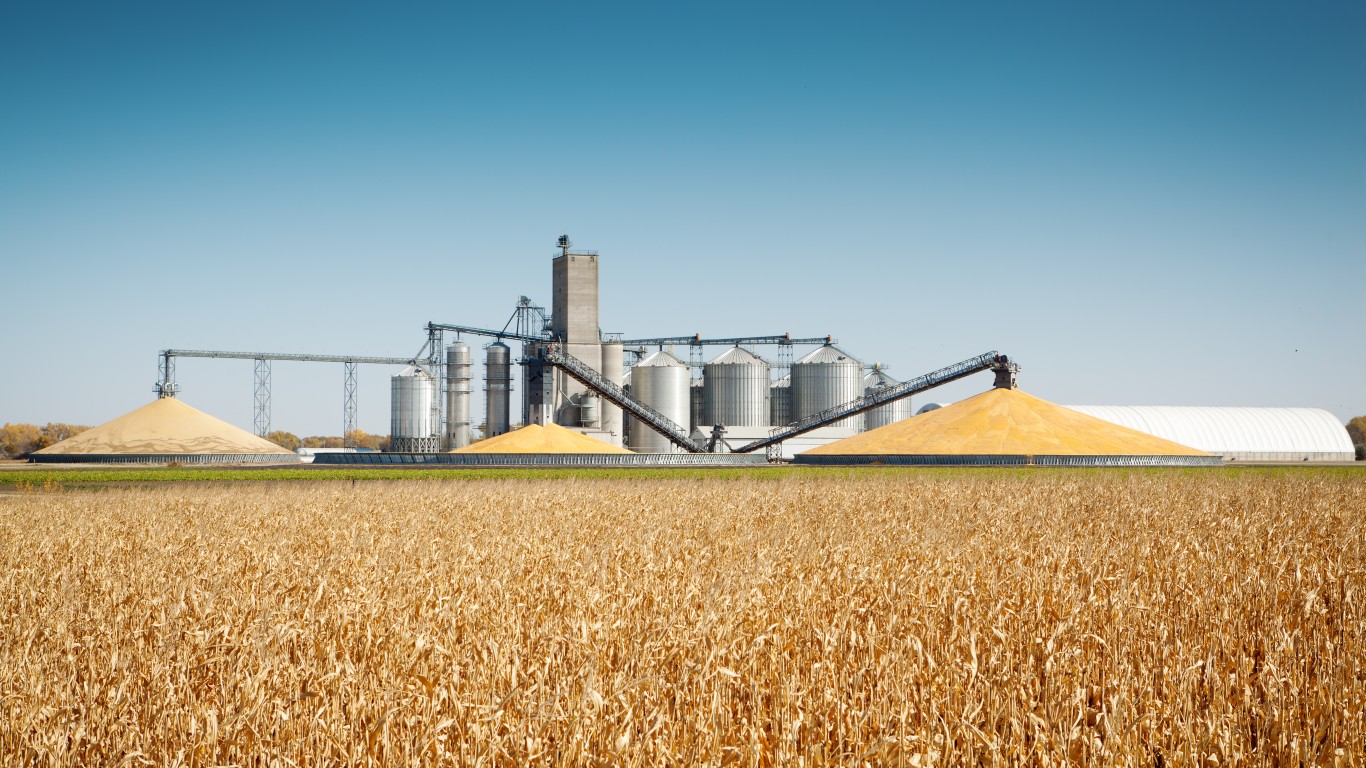
Wheat futures have become a weather forecast obsession. The commodity declined 18% over the past year on ample global supplies, but WEAT has rebounded nearly 5% this year as spring weather uncertainty creates supply concerns for production forecasts. Investors holding Teucrium Wheat Fund (NYSE:WEAT) need to watch two factors that will determine whether this modest rebound continues or reverses.
Spring Moisture Will Make or Break the Next Six Months
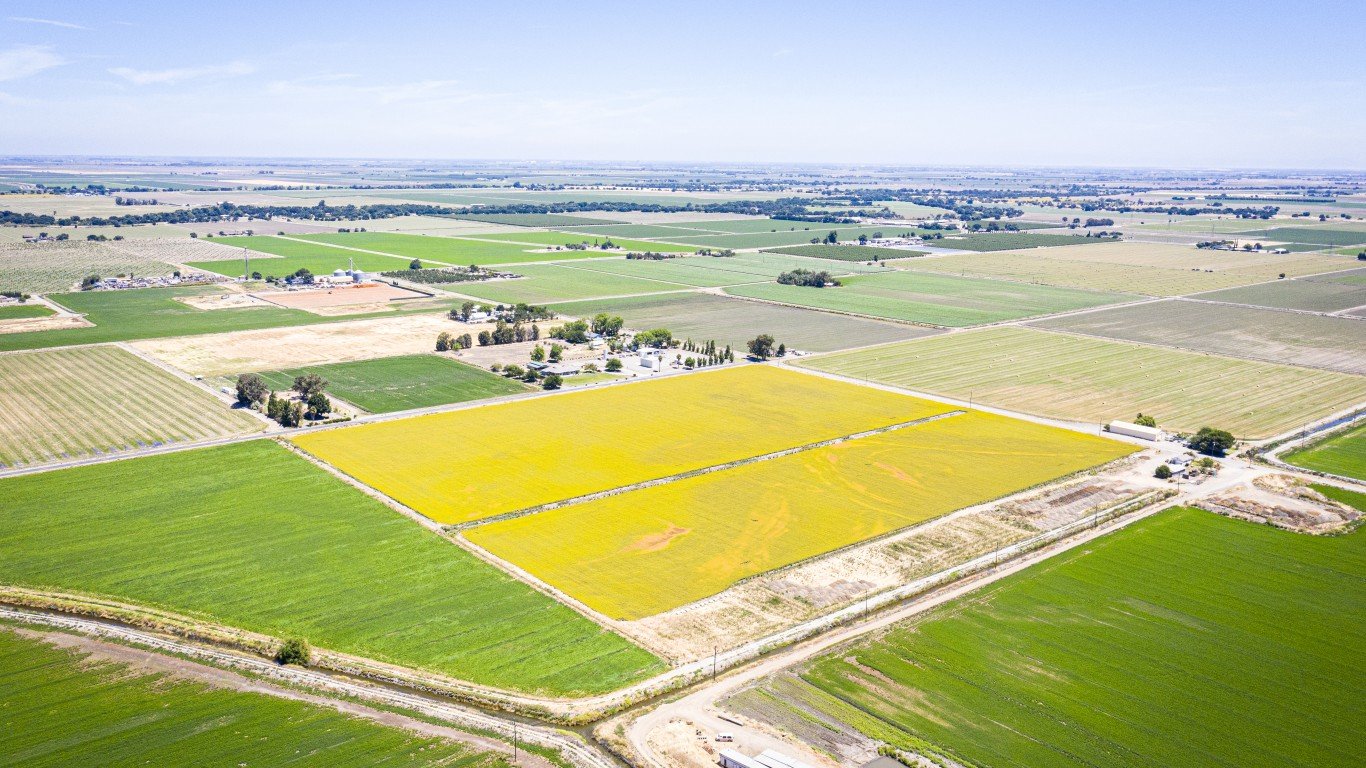
The most important macro factor for WEAT is precipitation timing across the central and southern Plains. Winter wheat crops are experiencing stress from extended cold spells and persistent dryness, according to recent analysis. While localized snow and rain provided some relief, the critical window is approaching. Late-winter and early-spring moisture will determine whether stressed crops recover or production estimates get slashed.
This matters because wheat markets have been rebalancing after the 2022 supply crisis driven by the Ukraine conflict. Global wheat markets are generally rebalancing, but uneven stock distribution creates vulnerability. If spring rains arrive on schedule, the current rally could stall as supply concerns ease. If drought persists, expect volatility similar to 2022 when WEAT gained nearly 46% year-to-date during the supply crisis.
Monitor USDA crop condition reports released weekly during growing season. These provide state-by-state assessments of crop health and soil moisture. The World Agricultural Supply and Demand Estimates report, published monthly, offers forward-looking production forecasts that move futures markets immediately upon release.
Futures Roll Costs Are Eating Returns
The fund’s structure creates a hidden cost drag through its futures rolling mechanism. WEAT maintains exposure by holding Chicago SRW wheat futures contracts across May, July, and December 2026, which represent roughly 97% of assets. Each time contracts near expiration, the fund must roll to the next contract month.
In contango markets where future contracts cost more than near-term ones, this rolling process forces the fund to sell low and buy high repeatedly. While the fund’s 1% expense ratio seems reasonable, roll costs in persistent contango can silently drain returns over time.
This structural headwind explains why WEAT has declined 52.8% over the past decade despite periodic wheat rallies. The fund’s losses stem from persistent contango in wheat futures markets, where rolling contracts repeatedly forces selling low and buying high. In contrast, commodities that spend more time in backwardation (where near-term contracts cost more than future ones) allow similar funds to benefit from roll dynamics rather than suffer from them.
Check the fund’s holdings file on the Teucrium website monthly to see which contract months it holds and their relative prices. When December contracts trade significantly above May contracts, roll costs will be steep. This makes WEAT better suited for short-term tactical positions around weather events rather than long-term holds.
Contact [email protected] for any questions or corrections.
Austin Smith is a financial publisher with over two decades of experience as an investor, analyst, and advisor. He covers stocks, ETFs, Artificial intelligence and personal finance for 24/7 Wall St. Previously, he spent over a decade at The Motley Fool as a senior editor for Fool.com, portfolio advisor for Millionacres, and launched The Ascent to help reader take control of their personal finances.
His work has been featured on Fool.com, NPR, CNBC, USA Today, Yahoo Finance, MSN, AOL, Marketwatch, and many other publications. He is as an advisor to private companies, and co-hosts The AI Investor Podcast with Eric Bleeker.
When not looking for investment opportunities, he can be found skiing, running, or playing soccer with his children. Learn more about Austin's investment approach here.