





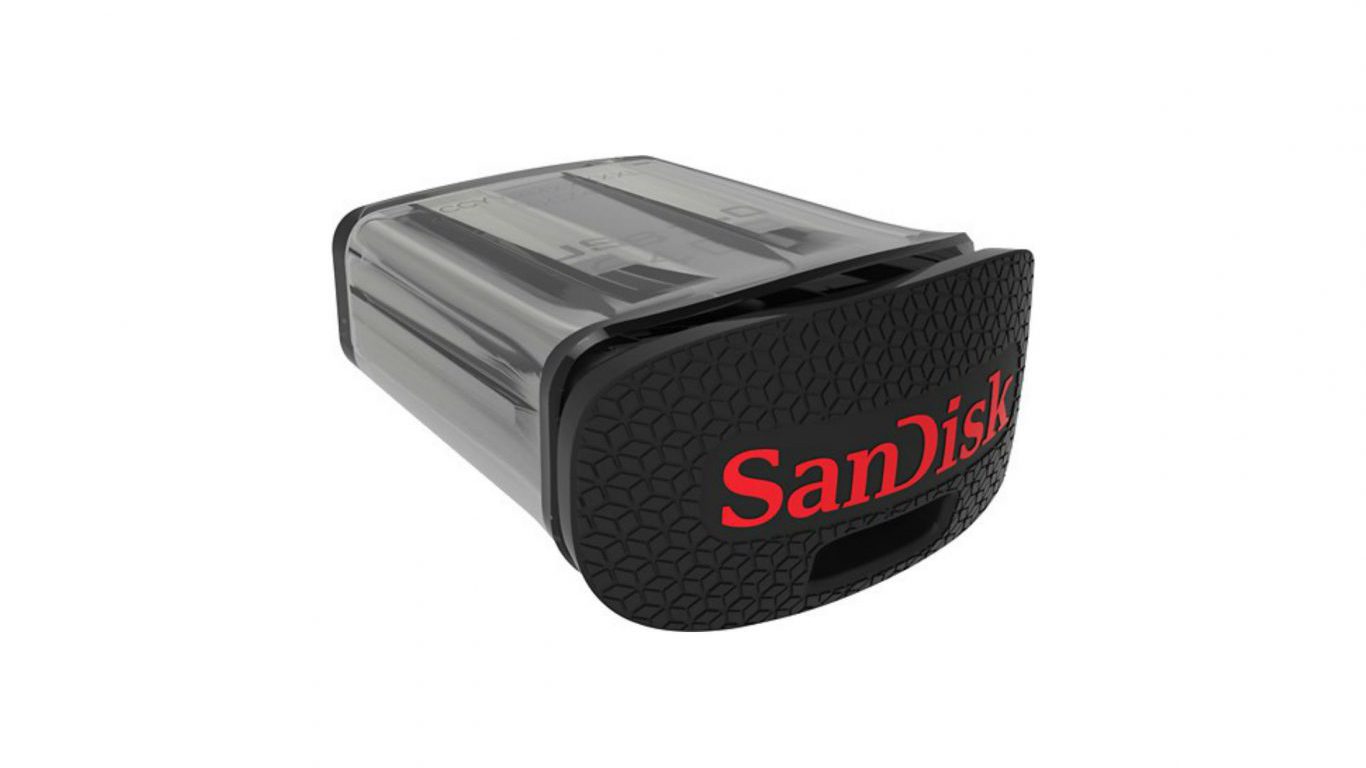
SanDisk (NASDAQ:SNDK) has delivered one of 2026’s most explosive rallies, surging 163% year-to-date to $626.56 on Friday.
Let’s look at why SanDisk shares are seeing such historic gains across the past year. After spinning off from Western Digital (Nasdaq: WDC) in early 2025, the stock is up 1,640%. Can SanDisk really repeat as the top performer in the S&P 500 in back-to-back years?
Blowout Earnings Ignited the Rally
The catalyst for recent gains arrived on January 29, when SanDisk reported Q2 fiscal 2026 results that obliterated expectations. Revenue hit $3.03 billion, up 61% year-over-year. Net income surged 672% to $803 million from $104 million a year earlier. But the real shock came in earnings per share: $6.20 adjusted versus consensus of $3.62. That’s a 71% beat.
The stock jumped 14.8% to 17% in after-hours trading. At 24/7 Wall St., we were hosting a live blog when earnings crossed the wires and initially thought they were a typo. CNBC hosts were also in shock. The severity of the earnings beat was reminiscent of NVIDIA‘s (Nasdaq: NVDA) famous earnings beat in May 2023.
Reddit’s r/wallstreetbets lit up with sentiment scores hitting 88 to 89 (very bullish) through January 31, with one post titled “After Blowout Earnings, Why SNDK Sandisk is the best Momentum Play right now” pulling 312 upvotes. The momentum was real.
What drove the beat? Datacenter revenue climbed sharply year-over-year, with SanDisk’s BiCS8 3D NAND technology capturing enterprise AI workloads. The company’s joint venture with Kioxia provides advanced memory production capacity.
The AI Memory Shortage
Goldman Sachs (NYSE:GS) published research on February 9 identifying the “Great Memory Crunch”. High-bandwidth memory supply won’t ease until 2028 at earliest, with no new NAND wafer capacity expected in 2026 or 2027. Demand is expanding over 20% annually, and SanDisk sits at the center of this imbalance. Even better, recent announcements from NVIDIA deliver even more demand for the NAND memory market.
This supply constraint translates directly into pricing power. Mizuho raised its price target citing “massive NAND pricing tailwinds”, while Bernstein’s 72% price target increase to $1,000 on February 3 triggered another 15.44% surge.
What’s Next for 2026
Management’s Q3 guidance shocked again: revenue of $4.4 billion to $4.8 billion, with adjusted EPS between $12.00 and $14.00. Consensus had been $4.21.
And no, that’s not a typo!
The risk? Recent volatility shows market nervousness. The stock dropped 16% on February 4 during broader AI-linked tech profit-taking, and Reddit sentiment flipped bearish on February 10-11 with scores dropping to 32 as Samsung competitive threats surfaced. One post warned: “Sandisk and Micron slip as Samsung rushes new product into production.”
In trading yesterday, SanDisk shares opened deeply negative on news that Chinese memory maker CXMT was being removed from a Pentagon sanctions list. The negativity didn’t last long, as SanDisk climbed back in the afternoon and closed only slightly negative.
But the fundamental story hasn’t changed. SanDisk turned net cash positive ahead of plan and is engaged with major hyperscale customers. Wall Street’s consensus target sits at $688, implying even more upside from current levels. With 13 Buy ratings and zero Sells, the Street believes this rally has room to run if SanDisk can deliver on its aggressive guidance and maintain pricing power through the memory shortage cycle.










 Top Gaining Stocks
 Top Losing Stocks