




Berkshire Hathaway (NYSE:BRK-B) is one of the greatest companies of all time, and was headed by one of the most iconic investors of all time as well in Warren Buffett. However, as most investors are well aware, the Oracle of Omaha has stepped down from his position at the helm, ceding the CEO position to Greg Abel as of January 1 of this year.
This transition means that this could be the first annual meeting in Omaha without Buffett, or at least with a diminished spotlight on the former CEO. While I’d fully anticipate he’ll be at the meeting, Mr. Buffett has indicated in the past that he’s going to at least try to remove himself as much as possible from the public narrative around Berkshire, and let Mr. Abel and his team manage things from here.
I’d have to say that this CEO transition is among the most pertinent in recent history, with plenty of investors wondering what’s next. I thought I’d take a five year timeline on trying to place my best guess as to where this stock could be headed over this time frame, with a particular emphasis on which companies Berkshire may be honing in on in the coming years.
Let’s do just that.
A Leadership Change Could Lead to Different Capital Allocation Strategies
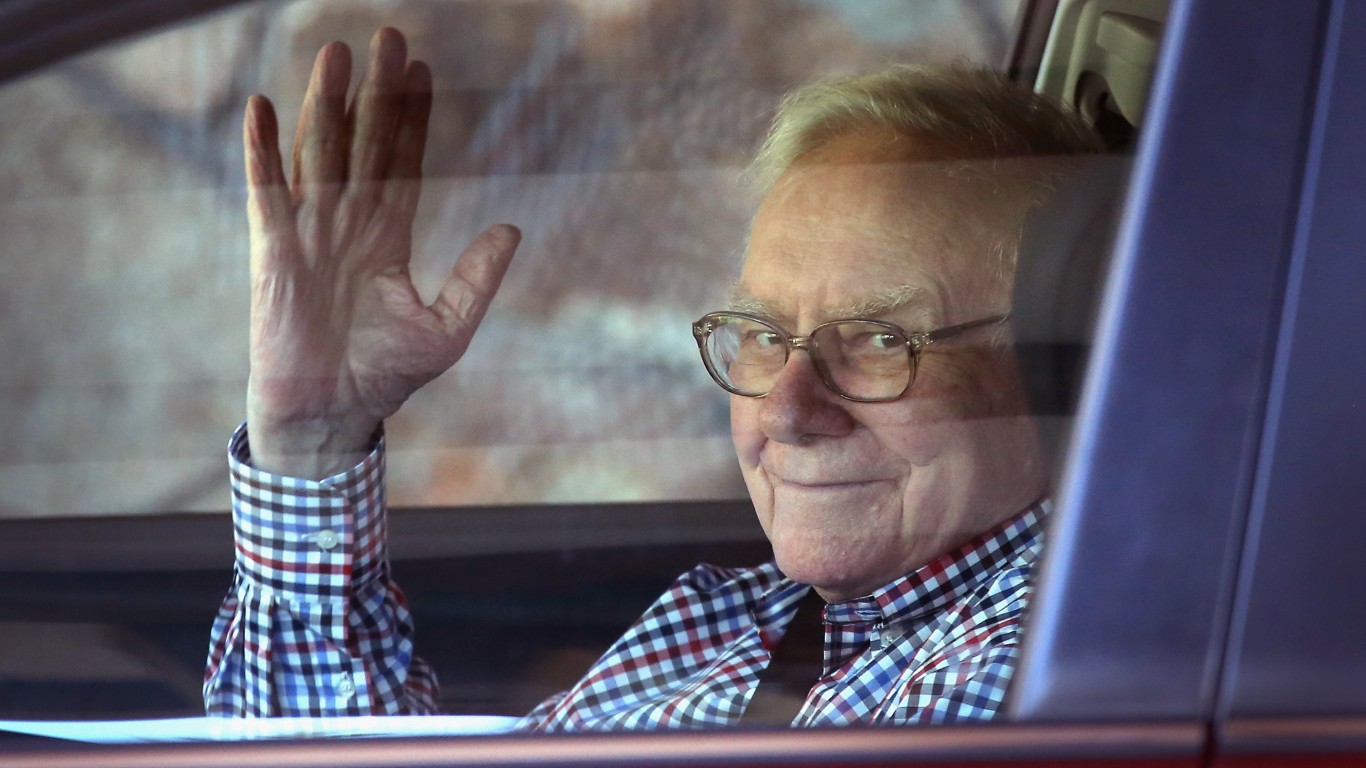
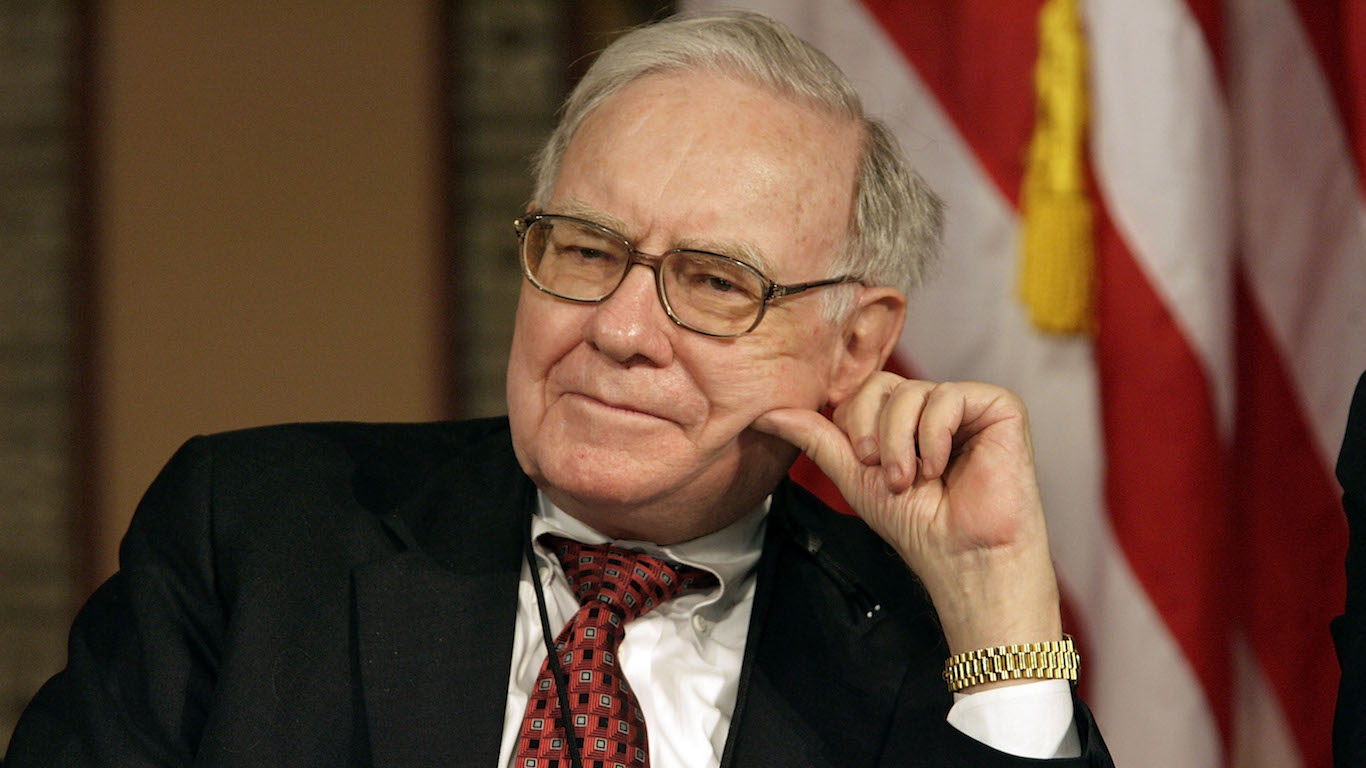
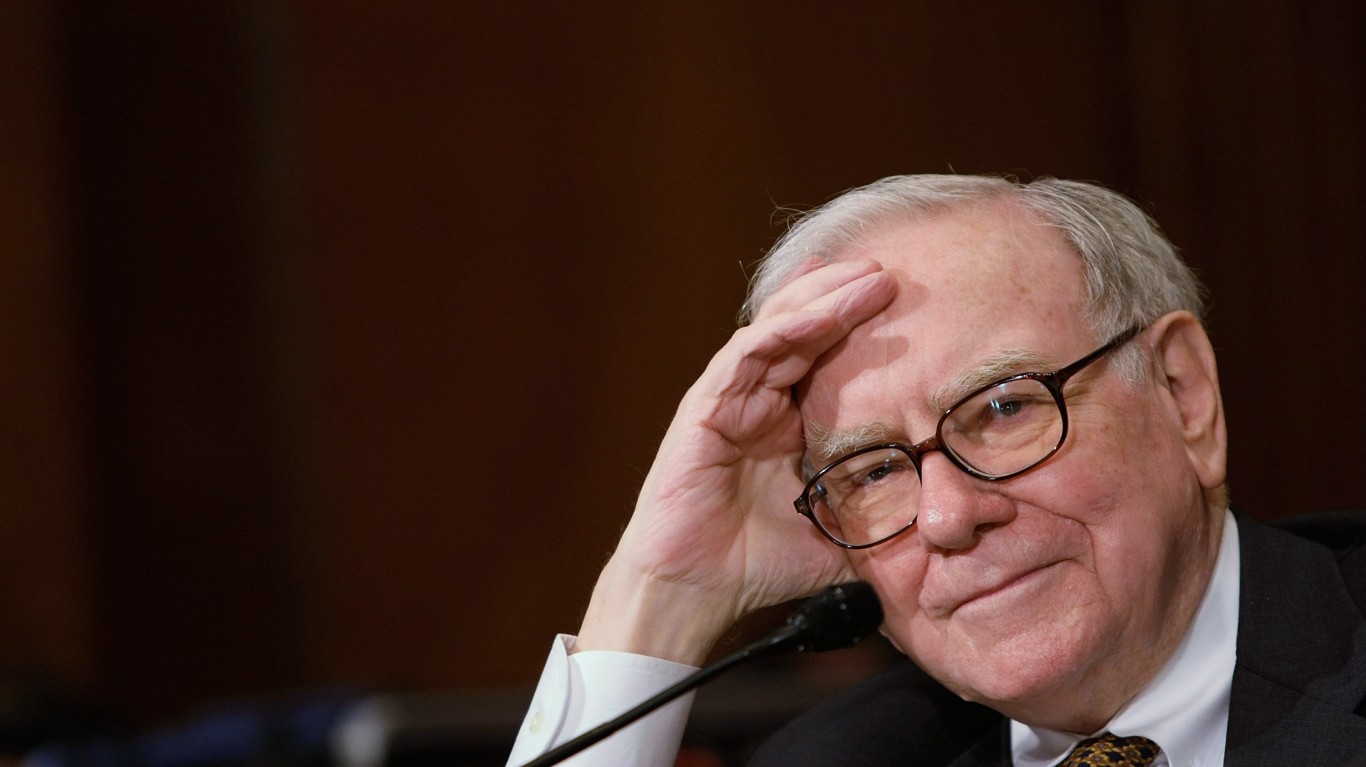
Warren Buffett
I think one of the most obvious questions investors have with the passing of the torch from Buffett to Abel a little more than a month ago has to do with capital allocation concerns. Most importantly, will Berkshire continue to invest in Dow-heavy industrial and cyclical stocks (betting on continued growth in the American industrial economy), or focus more intently on technology stocks?
Berkshire’s recent large investment in Alphabet (NASDAQ:GOOG) has sent out a signal to investors that the latter may be in store. This initial investment of a little more than $4 billion has quickly grown into a top-10 position for Berkshire, which still holds a tremendous amount of Apple (NASDAQ:AAPL | AAPL Price Prediction) stock and some other large tech names Abel and his team have invested in over the years. We’ll have to see if this trend continues, but given Berkshire’s size, as Buffett has said in the past, needle-moving deals require investment in ever-larger companies, meaning there’s going to likely be a value-oriented microscope placed on top tech companies as the areas to invest down the line.
That rationale makes sense, considering that the technology sector powers most of the U.S. economy, and is broadly expected to continue doing so for decades to come. In order for Berkshire to transition toward a future-forward company, I’d argue such investments will likely need to continuously be made in the years to come.
How the Equity Mix Could Evolve
A couple discussion their portfolio looking at a chart
I think Abel will rely on internal investment mangers and operating executives for idea generation, particularly in the technology sector and data-heavy businesses. We now live in an economy that’s dominated by data, and the reality is that this is the sector that’s likely going to continue to drive most of the growth domestically and abroad.
Now, Abel’s background in non-insurance subsidiaries suggests a continued bias toward owning capital intensive, cash-gushing businesses. However, I do think there will definitely be a greater willingness from Abel and his team to consider bolt-on investments in the tech sector to boost the company’s underlying growth profile.
I actually wouldn’t be surprised to see Berkshire continue with the long-term strategy put in place by Buffett via looking at technology or AI-adjacent growth businesses in more “boring” sectors of the economy such as real estate and utilities. That would jive with the long-term strategy underway, and perhaps be the best bet for retaining the company’s very loyal investor base.
Ultimately, I think a combination of greater investment in both technology and technology-adjacent firms will continue to ramp up. The mix will be up to Abel and his team, and market participants will vote on the company’s progress on this front with their wallets. That’s what makes markets, and what makes markets exciting to follow.











 Top Gaining Stocks
 Top Losing Stocks
