As Economic Uncertainty Builds, Dave Ramsey Says Focus on These 3 Financial Moves
Concerns about a potential recession have resurfaced as consumers navigate higher interest rates, elevated living costs, and ongoing economic uncertainty. While the U.S. economy continues to show resilience in areas like employment, many households remain cautious about spending. Higher borrowing…


Concerns about a potential recession have resurfaced as consumers navigate higher interest rates, elevated living costs, and ongoing economic uncertainty.
While the U.S. economy continues to show resilience in areas like employment, many households remain cautious about spending. Higher borrowing costs and persistent inflation have made it more expensive to carry credit card balances, auto loans, and other forms of debt.
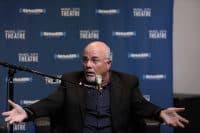
Even though a recession is not guaranteed, preparing your finances for economic uncertainty is a smart move. Financial expert Dave Ramsey encourages focusing on practical, controllable steps rather than reacting emotionally to headlines.
Here are three ways to strengthen your financial position.
1. Create a budget to follow
A budget gives you clarity about where your money is going each month. With credit card interest rates still elevated by historical standards, keeping spending in check matters more than ever.
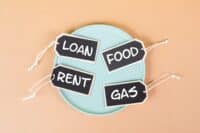
Start by reviewing recent bank and credit card statements. Identify fixed expenses such as rent, mortgage, insurance, and utilities, then compare those costs to your monthly income. From there, look for discretionary expenses that can be trimmed if needed.
The goal is not perfection. It is awareness. When you know exactly where your money goes, you gain control over it.
2. Strengthen your emergency fund
Economic slowdowns can lead to hiring freezes or job cuts, even if the broader economy remains stable. That is why many financial planners recommend keeping three to six months of essential expenses in an emergency fund.
If that goal feels overwhelming, start smaller. Even building a one-month cushion can reduce financial stress. Automating small weekly or monthly transfers into a high-yield savings account can help build momentum over time.
Additional income from freelance or gig work can also accelerate your savings and provide flexibility if your primary income changes.
3. Stay calm and think long term
Market volatility tends to increase during periods of economic uncertainty. Historically, stock markets often fluctuate before and during recessions, but they also tend to recover before economic data improves.
Rather than making impulsive investment decisions, review your portfolio to ensure it aligns with your long-term goals and risk tolerance. That might involve rebalancing your asset allocation or adjusting contributions, not abandoning your strategy entirely.
If you are unsure about next steps, consulting a qualified financial advisor can provide guidance tailored to your situation.
Contact [email protected] for any questions or corrections.
Maurie Backman has more than a decade of experience writing about financial topics, including retirement, investing, Social Security, and real estate. Her work has appeared on sites that include The Motley Fool, USA Today, U.S. News & World Report, and Kiplinger.
Prior to becoming a full-time financial writer, Maurie worked in the financial industry trading distressed debt. She then changed course and spent a few years designing electronic toys. After a stint in content marketing and UX, she shifted back into writing and has since covered everything from the housing market to estate planning to Medicare.
When she's not busy writing, Maurie can be found hiking, walking her dogs, driving her kids to their various sports practices and games, and curling up with a good book. She cooks on occasion and bakes way too often.