Occidental Jumps as $5.8 Billion Debt Cut and Dividend Hike Impress Investors
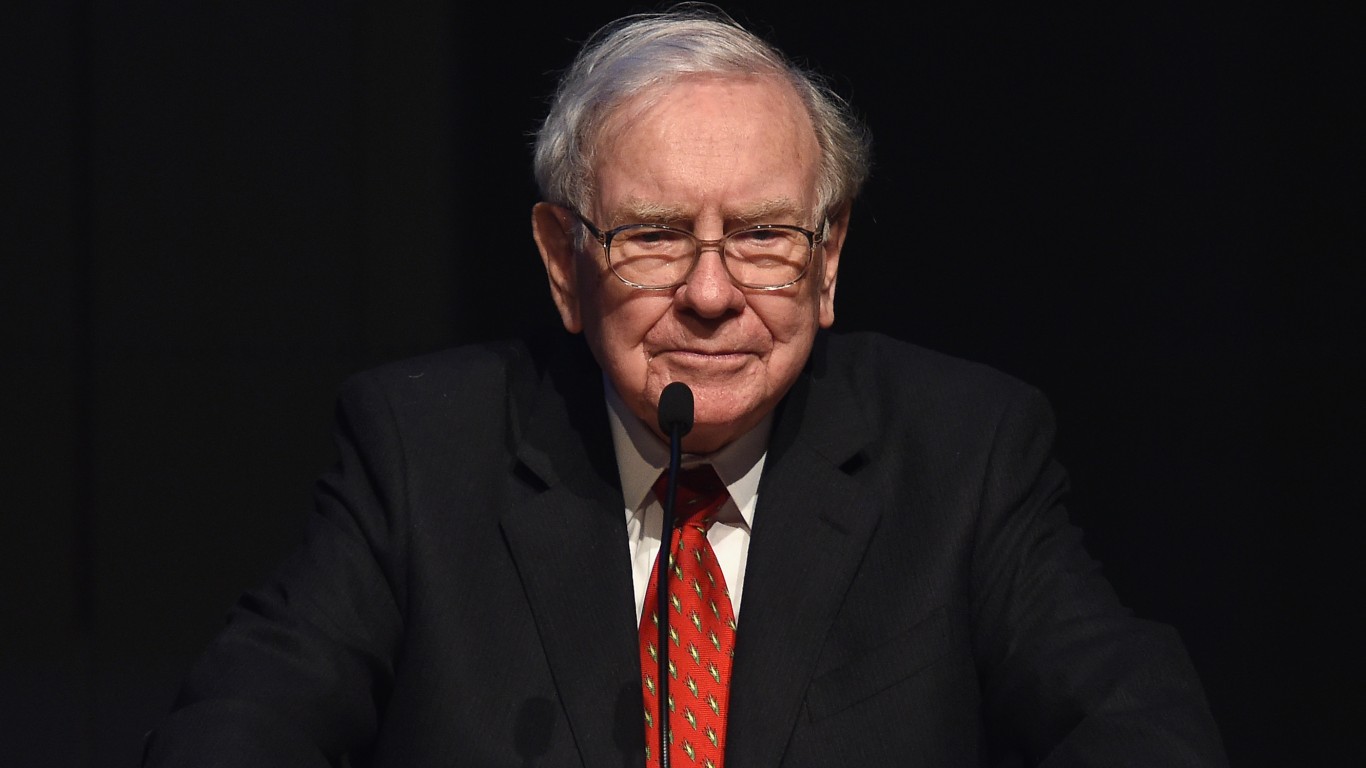
Yesterday, the question was whether Occidental Petroleum (NYSE: OXY | OXY Price Prediction) could translate production outperformance into meaningful earnings momentum despite weakening crude prices. Warren Buffett’s favorite oil company delivered a 67% EPS beat after the bell, and this…


Yesterday, the question was whether Occidental Petroleum (NYSE: OXY | OXY Price Prediction) could translate production outperformance into meaningful earnings momentum despite weakening crude prices. Warren Buffett’s favorite oil company delivered a 67% EPS beat after the bell, and this morning shares are trading at $51.70, up 13.65% over the past week and 25.73% year to date.
Production Strength Meets Price Headwinds
Occidental reported adjusted EPS of $0.31 per share for Q4 2025, handily topping the $0.18 consensus estimate. The beat came despite a GAAP net loss of $68 million, driven by charges related to the OxyChem sale, which closed January 2, 2026. Production hit 1,481 Mboed, exceeding the high end of guidance as the Permian and Rockies led outperformance.
Concerns materialized, as realized crude prices fell to $59.22 per barrel, down 9% quarter over quarter, while natural gas plunged 24% to $1.12 per Mcf. Oil and Gas segment pre-tax income dropped to $0.7 billion from $1.3 billion in Q3. WTI averaged $59.64 per barrel in Q4, down from $65.60 in Q3 and 18.6% below Q4 2024.
The Midstream and Marketing segment delivered a bright spot, posting $204 million in pre-tax income and exceeding guidance on higher gas margins and reduced transport costs.
Balance Sheet Progress Gains Traction
CEO Vicki Hollub emphasized operational discipline in prepared remarks: “Our emphasis on operational excellence and cost efficiency drove meaningful production and operating expense outperformance during the fourth quarter.” The company reduced debt by $5.8 billion since mid-December 2025, bringing principal debt to $15.0 billion following the OxyChem divestiture.
Occidental also raised its quarterly dividend more than 8% to $0.26 per share, payable April 15, 2026. Free cash flow before working capital reached approximately $1.0 billion in Q4, with full-year 2025 free cash flow totaling $4.284 billion.
Analysts responded with mixed adjustments. Susquehanna lowered its price target from $55 to $51 while maintaining a Positive rating, citing near-term oil oversupply concerns as OPEC production cuts unwind. Morgan Stanley trimmed its target from $51 to $50, reflecting updated oil price assumptions.
Focus Shifts to Free Cash Flow Sustainability
Attention now turns to whether Occidental can sustain free cash flow generation if crude prices remain under pressure. The company guided 2026 production to 1.42 to 1.48 MMboepd with capital expenditures of $5.5 to $5.9 billion. Proved reserves stood at 4.6 billion BOE with an organic replacement ratio of 107%.
Investors will want to monitor how management allocates capital between share buybacks and debt reduction as the balance sheet strengthens. The stock’s 22.4% gain over the past month suggests the market is pricing in improved financial flexibility, but sustained upside likely depends on crude stabilizing above $60 per barrel.
Contact [email protected] for any questions or corrections.
Trey has been an editor and author at 24/7 Wall St. for more than a decade, where he has published thousands of articles analyzing corporate earnings, dividend stocks, short interest, insider buying, private equity, and market trends. His comprehensive coverage spans the full spectrum of financial markets, from blue-chip stalwarts to emerging growth companies.
Beyond 24/7 Wall St., Trey has created and edited financial content for Benzinga and AOL's BloggingStocks, contributing additional hundreds of articles to the investment community.
Trey's editorial expertise extends across multiple publishing environments. He served as production editor at Dearborn Financial Publishing and development editor at Kaplan, where he helped shape financial education materials. Earlier in his career, he worked as a writer-producer at SVE. His freelance editing portfolio includes work for prestigious clients such as Sage Publications, Rand McNally, the Institute for Supply Management, the American Library Association, Eggplant Literary Productions, and Spiegel.
Outside of financial journalism, Trey writes fiction and has been an active member of the writing community for years, moderating workshop sessions at regional conventions.