The One Fed Signal That Could Flip CNRG From Loser to Leader in 2026
Clean energy ETFs spent the last few years getting battered by rising rates, policy uncertainty, and a rotation away from growth. The SPDR S&P Kensho Clean Power ETF (NYSEARCA:CNRG) was designed to sidestep the single-technology trap that has burned investors…

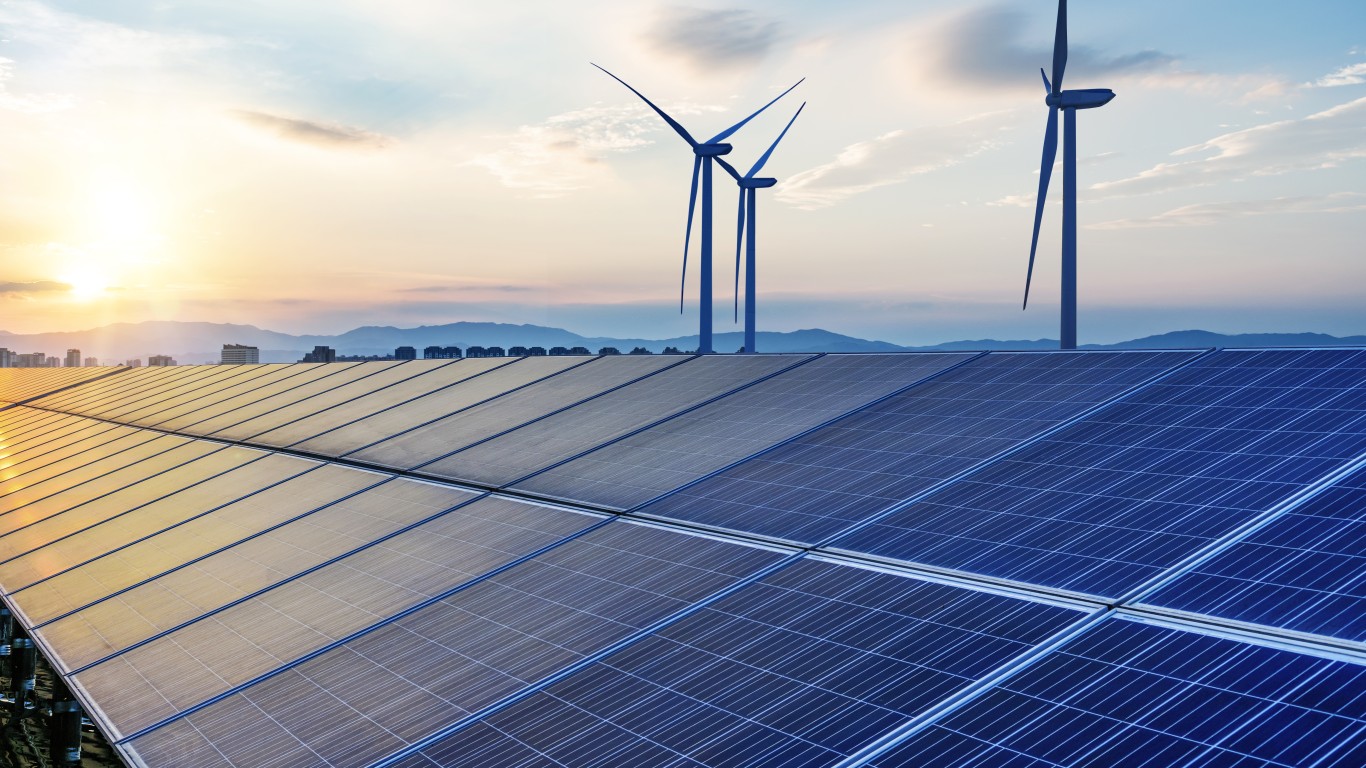
Clean energy ETFs spent the last few years getting battered by rising rates, policy uncertainty, and a rotation away from growth. The SPDR S&P Kensho Clean Power ETF (NYSEARCA:CNRG) was designed to sidestep the single-technology trap that has burned investors in narrower funds. It tracks the S&P Kensho Clean Power Index, spreading exposure across solar, wind, hydrogen, geothermal, energy storage, and grid infrastructure rather than concentrating on any one bet.
The fund’s +68% gain over the past year tells a recovery story, but February was rough. CNRG fell nearly 9% in February alone, a sharper pullback than the broader clean energy space. The iShares Global Clean Energy ETF (NYSEARCA:ICLN) dropped about 4% over the same period, suggesting CNRG’s more concentrated domestic holdings absorbed more of the selling pressure.
The Macro Factor That Will Drive Returns
The Federal Reserve’s rate path is the single biggest external variable for this fund. Clean energy companies borrow heavily to build solar farms, storage systems, and grid infrastructure, which means higher rates compress margins and raise the hurdle rate for new projects. When the prospect of a more hawkish Fed chair emerged in early February, Plug Power sold off immediately as a direct reaction to what tighter money could mean for growth-dependent energy companies. Plug Power is a top-15 holding in CNRG.
Track the Fed’s Summary of Economic Projections, specifically the dot plot released at each FOMC meeting. A clear downward shift in that projection would relieve pressure across most of CNRG’s industrial and small-cap holdings. Any revision higher would likely extend the recent weakness.
The Fund-Specific Signal Worth Watching
Nearly 50% of the portfolio sits in industrials, with only about 14% in utilities. That tilt toward manufacturers and infrastructure builders means the fund behaves more like a growth portfolio than an income play, despite the clean energy label.
The contrast within the fund’s own holdings makes this concrete. NextEra Energy (NYSE:NEE | NEE Price Prediction), a regulated utility, gained more than 17% year-to-date through February, while Enphase Energy (NASDAQ:ENPH), a solar inverter manufacturer, is down roughly 31% over the past year despite a partial rebound in 2026. CNRG’s heavy industrials weighting means it leans more toward the Enphase side of that equation.
State Street publishes quarterly holdings files for CNRG that reflect any index-driven rebalancing. Shifts in sector weighting between utilities and industrials would change the fund’s sensitivity to rate movements. Historically, capital-heavy clean energy holdings have shown sensitivity to rate environments, and the sector composition at the next rebalance will affect how the fund responds to any Fed policy changes.
Contact [email protected] for any questions or corrections.
Austin Smith is a financial publisher with over two decades of experience as an investor, analyst, and advisor. He covers stocks, ETFs, Artificial intelligence and personal finance for 24/7 Wall St. Previously, he spent over a decade at The Motley Fool as a senior editor for Fool.com, portfolio advisor for Millionacres, and launched The Ascent to help reader take control of their personal finances.
His work has been featured on Fool.com, NPR, CNBC, USA Today, Yahoo Finance, MSN, AOL, Marketwatch, and many other publications. He is as an advisor to private companies, and co-hosts The AI Investor Podcast with Eric Bleeker.
When not looking for investment opportunities, he can be found skiing, running, or playing soccer with his children. Learn more about Austin's investment approach here.