Goldman Sees $100 Oil Coming, And One Income ETF Bets 47% They’re Right
WTI crude has surged 10.3% in a single month, sitting at $71.13 per barrel, near the top of its 12-month range. That kind of move creates a clear opportunity for energy-focused funds to shine. The Strive U.S. Energy ETF (NYSEARCA:DRLL)…


WTI crude has surged 10.3% in a single month, sitting at $71.13 per barrel, near the top of its 12-month range. That kind of move creates a clear opportunity for energy-focused funds to shine. The Strive U.S. Energy ETF (NYSEARCA:DRLL) has done exactly that, with shares up 26.32% year-to-date through March 5, closely tracking the broader energy benchmark XLE over the same period.
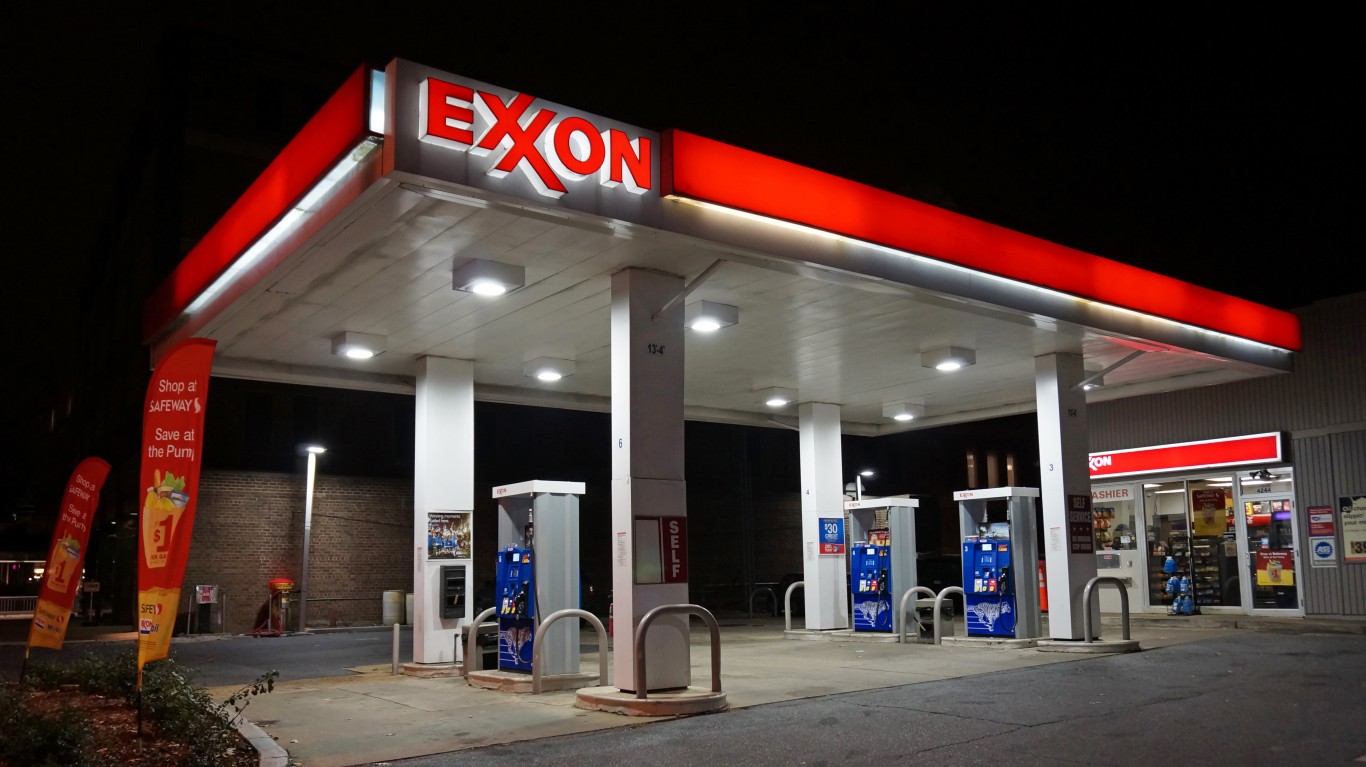
Launched in August 2022, DRLL was built on a specific premise: ESG-influenced asset managers were pressuring energy companies to underinvest in oil and gas. Strive’s answer was an ETF designed to push holdings toward maximum production and shareholder returns, not carbon reduction targets. With 98.6% of the portfolio in energy and nearly half the fund split between Exxon Mobil (NYSE:XOM | XOM Price Prediction) and Chevron (NYSE:CVX), the exposure is about as concentrated as it gets in public markets.
Sentiment on DRLL is genuinely split. Bulls point to the fund’s clean fossil-fuel mandate and its sensitivity to oil price spikes. A March 4, 2026 analysis from 24/7 Wall St. described it as an ETF that will “capture every explosive move when oil gets volatile.” Critics, including a January 2026 Seeking Alpha piece titled “DRLL: Worst House On A Bad Street,” argue the fund has consistently underperformed peers like XLE and VDE by 12-13% since inception and carries a higher expense ratio than comparable passive funds.
The Macro Factor: Geopolitical Risk in the Strait of Hormuz
The biggest macro driver for DRLL right now is the escalating conflict around Iran and the Middle East. Roughly 20% of global oil supply transits the Strait of Hormuz, and any disruption there hits crude prices immediately. Goldman Sachs noted this week that “an escalation of the conflict in Iran could lead to a temporary surge in oil prices to $100 per barrel.” At that price level, DRLL’s top holdings would see meaningful earnings expansion. Inventory drawdowns in the EIA Weekly Petroleum Status Report, published every Wednesday, are the clearest early signal of tightening supply.
The Micro Factor: Top-Heavy Concentration
DRLL holds 39 positions, but Exxon Mobil and Chevron alone represent 47.19% of the fund. That means DRLL’s performance is less a reflection of the broad energy sector and more a concentrated opinion on two stocks. When Exxon and Chevron report earnings, typically in late January and late April each quarter, the fund moves with them. Strive publishes an issuer fact sheet that tracks any rebalancing shifts away from these two names, and a meaningful reduction in either position would change the fund’s risk profile entirely.
WTI holding above $70 alongside strong Exxon and Chevron earnings has historically amplified DRLL’s sensitivity to those moves. A meaningful rotation away from either name in the quarterly rebalance would dilute the concentrated exposure that has characterized the fund’s returns.
Contact [email protected] for any questions or corrections.
Austin Smith is a financial publisher with over two decades of experience as an investor, analyst, and advisor. He covers stocks, ETFs, Artificial intelligence and personal finance for 24/7 Wall St. Previously, he spent over a decade at The Motley Fool as a senior editor for Fool.com, portfolio advisor for Millionacres, and launched The Ascent to help reader take control of their personal finances.
His work has been featured on Fool.com, NPR, CNBC, USA Today, Yahoo Finance, MSN, AOL, Marketwatch, and many other publications. He is as an advisor to private companies, and co-hosts The AI Investor Podcast with Eric Bleeker.
When not looking for investment opportunities, he can be found skiing, running, or playing soccer with his children. Learn more about Austin's investment approach here.