Is Coinbase Stock Finally a Buy?
With Coinbase Global (NASDAQ: COIN | COIN Price Prediction) trading at $197.20 (which is down 12.8% year-to-date and well off its 52-week high of $444.64), this is a structurally stronger company selling at a cyclically depressed price, and the setup…


With Coinbase Global (NASDAQ: COIN | COIN Price Prediction) trading at $197.20 (which is down 12.8% year-to-date and well off its 52-week high of $444.64), this is a structurally stronger company selling at a cyclically depressed price, and the setup for retirement-oriented investors with a multi-year horizon is straightforward.
Momentum Is Already Turning
Despite Bitcoin sliding toward $66,331 and the VIX sitting at an elevated 29.50, Coinbase stock has gained 16.4% over the past month and 12.1% over the past week. The stock is recovering before the macro clears, a sign that patient capital is accumulating. Early Q1 2026 transaction revenue already reached approximately $420 million through February 10, roughly halfway through the quarter, suggesting the business is tracking ahead of the Q4 pace.
Institutional Conviction Is Building
Wall Street’s positioning is unambiguous: 21 analysts rate the stock a Buy against just two Sells, with a consensus price target of $250.76 and an AI model target of $332.96. Morgan Stanley named Coinbase as custodian in its Bitcoin ETF SEC filing, a direct institutional trust signal that carries real weight. Meanwhile, Coinbase holds $11.285 billion in cash and equivalents, up 32% year-over-year, and has repurchased 8.2 million shares since November 2025 for over $1.7 billion. A company that buys its own stock this aggressively at these levels is sending a strong signal.
The Regulatory and Product Flywheel
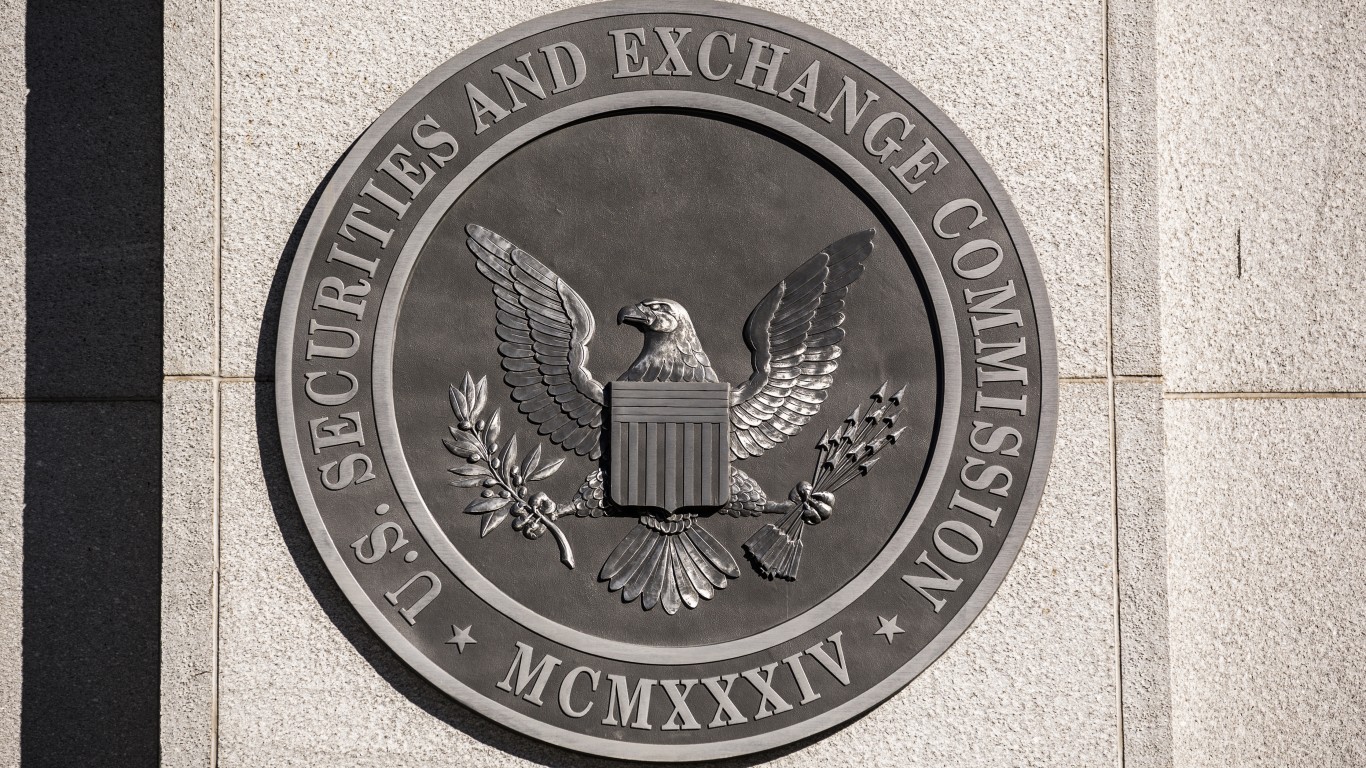
An SEC lawsuit against Coinbase was dismissed with prejudice. The GENIUS Act (the first federal U.S. stablecoin legislation) is now law. Coinbase secured a MiCA license in Europe and became the largest FCA-registered VASP in the UK. USDC market cap has reached $76.2 billion, and stablecoin revenue has grown every single quarter in 2025. The company now has 12 products generating over $100 million in annualized revenue. This is a diversified financial platform, not a single-product crypto exchange.
The One Real Risk — and Why It Doesn’t Change the Thesis
The Portnoy Law Firm is investigating potential securities fraud tied to how user numbers were reported, and crypto cyclicality remains real. Full-year operating expenses grew 35% to $5.7 billion in 2025. But with a P/E of 44.22, a PEG ratio of 0.785, and total crypto trading volume growing 156% year-over-year to $5.2 trillion in 2025, the long-term tokenization and “everything exchange” thesis (stocks, crypto, prediction markets, and stablecoin payments on one platform) absorbs near-term legal noise.
Investors can buy the stock at current levels and watch as regulatory tailwinds and platform expansion do the work.
Contact [email protected] for any questions or corrections.
Trey has been an editor and author at 24/7 Wall St. for more than a decade, where he has published thousands of articles analyzing corporate earnings, dividend stocks, short interest, insider buying, private equity, and market trends. His comprehensive coverage spans the full spectrum of financial markets, from blue-chip stalwarts to emerging growth companies.
Beyond 24/7 Wall St., Trey has created and edited financial content for Benzinga and AOL's BloggingStocks, contributing additional hundreds of articles to the investment community.
Trey's editorial expertise extends across multiple publishing environments. He served as production editor at Dearborn Financial Publishing and development editor at Kaplan, where he helped shape financial education materials. Earlier in his career, he worked as a writer-producer at SVE. His freelance editing portfolio includes work for prestigious clients such as Sage Publications, Rand McNally, the Institute for Supply Management, the American Library Association, Eggplant Literary Productions, and Spiegel.
Outside of financial journalism, Trey writes fiction and has been an active member of the writing community for years, moderating workshop sessions at regional conventions.