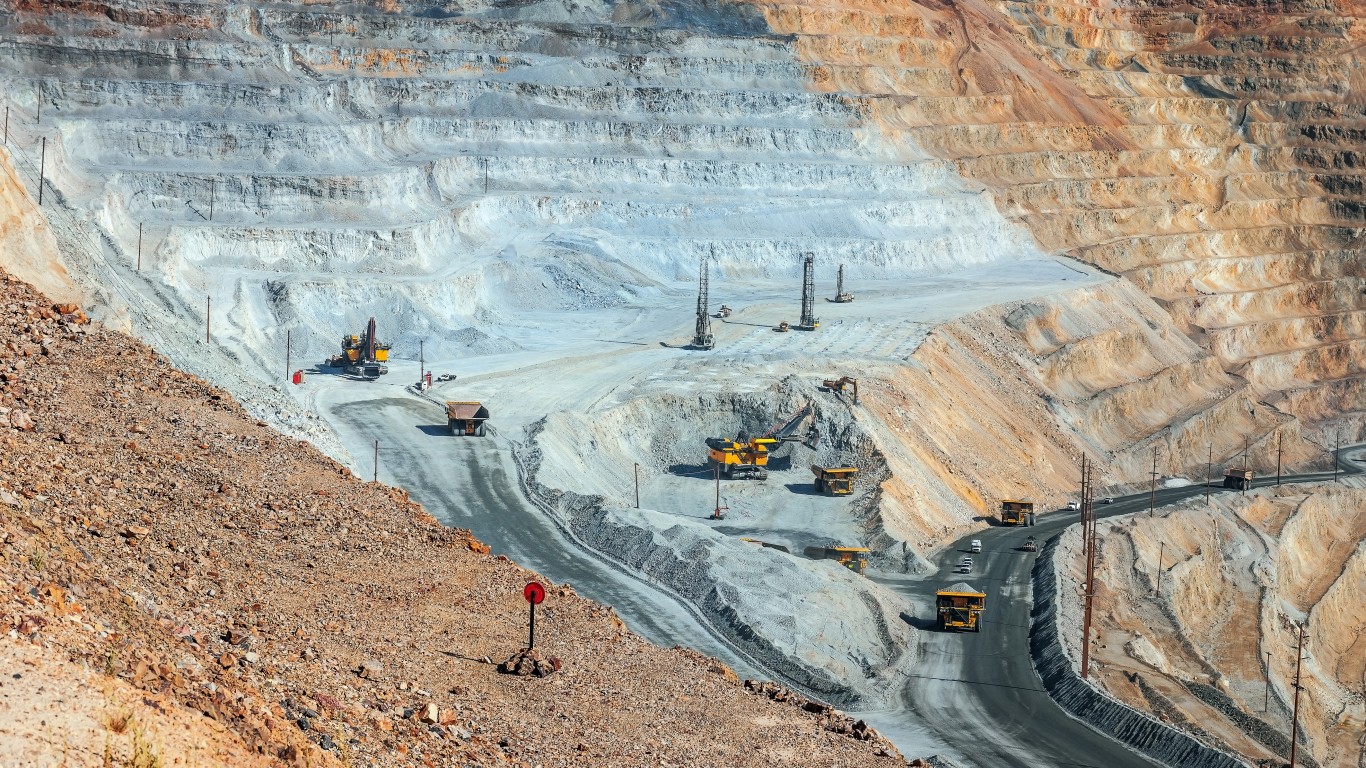
BHP and VALE Are Home Run Stocks As Copper Demand Goes Parabolic
It’s unequivocal that the biggest globally impacting price breakout in 2025 was that of gold and silver. Both of these precious metals saw their prices zoom like Magnificent 7 tech stocks after decades of limited range trading. However, while LBMA…

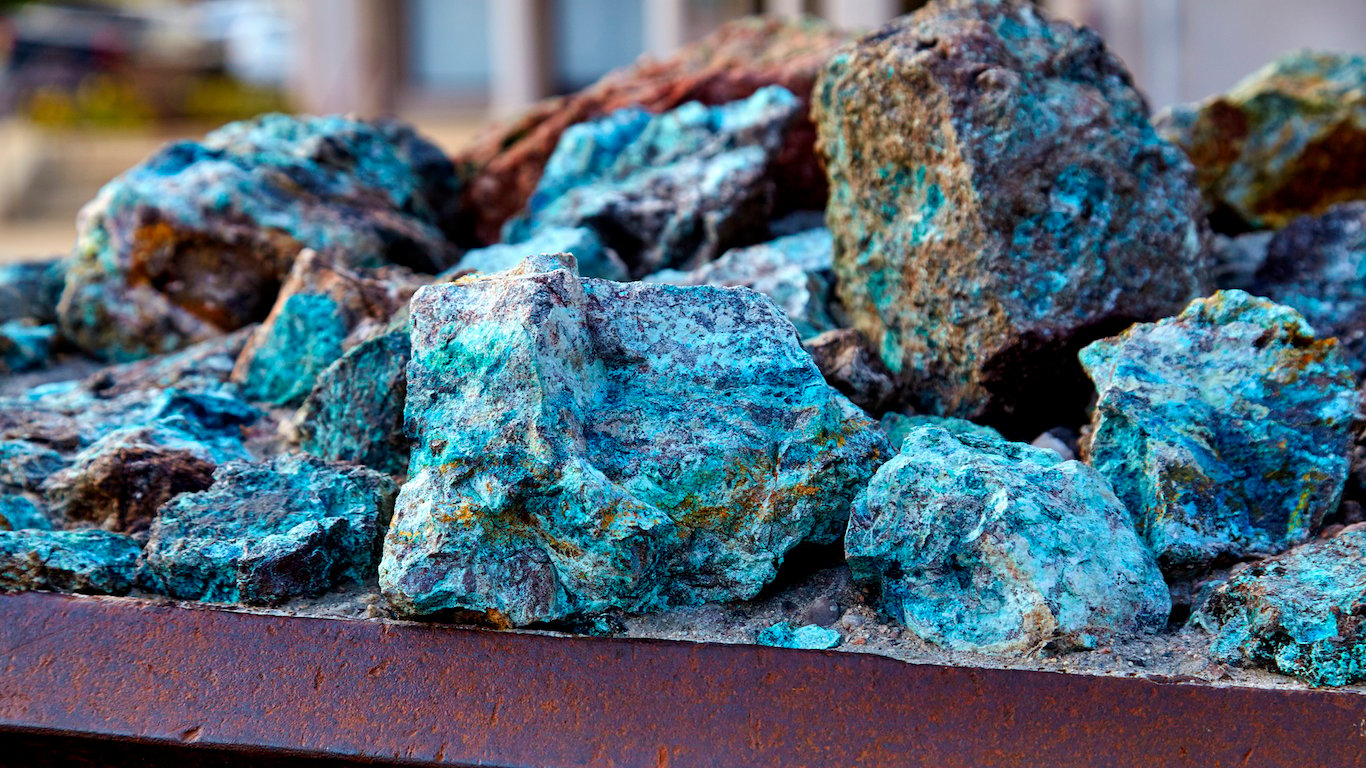
It’s unequivocal that the biggest globally impacting price breakout in 2025 was that of gold and silver. Both of these precious metals saw their prices zoom like Magnificent 7 tech stocks after decades of limited range trading. However, while LBMA and then the COMEX saw their markets in backwardation as buyers demanded physical deliveries and happily paid the higher premiums, copper was overlooked by many in the financial news and in the investment public.
While a large part of the industrial use surge in silver is for data center and semiconductor manufacturing, these data centers are useless without electric power. The industry standard electrical conduit for power cables and cable signal transmission is still copper wire, and the staggering number of miles of cables are already driving up physical copper demand by over 30% in the past two quarters. .
Among the largest copper mining companies in the world are Australia’s BHP Group Ltd. (NYSE: BHP | BHP Price Prediction) and Brazil’s Vale, S.A. (NYSE: VALE). Perhaps it’s because these companies’ conglomerate nature hid the extent of their revenue boosts due to copper, but the copper component of their financials will likely become more apparent as copper continues its rise.
Copper Demand Outstrips Supply

Similarly to the situation with silver, copper prices are surging because supply cannot keep up with demand. Copper is a crucial component not only for electrical signal transmission and power, but also for motor windings, EVs, renewable energy, transformers, cooling equipment, and in manufacturing a wide range of products, including those used for military defense.
Last year, the US Geological Survey declared copper to be “vital to the U.S. economy and national security.” The mining industry, however, needs prices to go even higher in order to sufficiently grow to meet demand, since the bureaucratic and added personnel costs are keeping margins too low at present – even though proven reserves are abundant.
Production from existing mines is insufficient to produce enough copper to meet global demand by 2050, even with the inclusion of recycling and other technological developments. Unless new mines open, the expected copper shortfall can total as high as 17 million metric tons per year.
While fiber optic cable has shown itself to be a viable alternative to copper for data transmission, it is useless for power carry. Other alternatives being researched, such as carbon nanotubes, conductive aluminum, and niobium phosphide, are still many years off from commercialization. Although the LME lists copper at $13,000 per ton, profit margins are too slim for investors to comfortably roll the dice on financing new mines from scratch.
BHP Group Ltd.
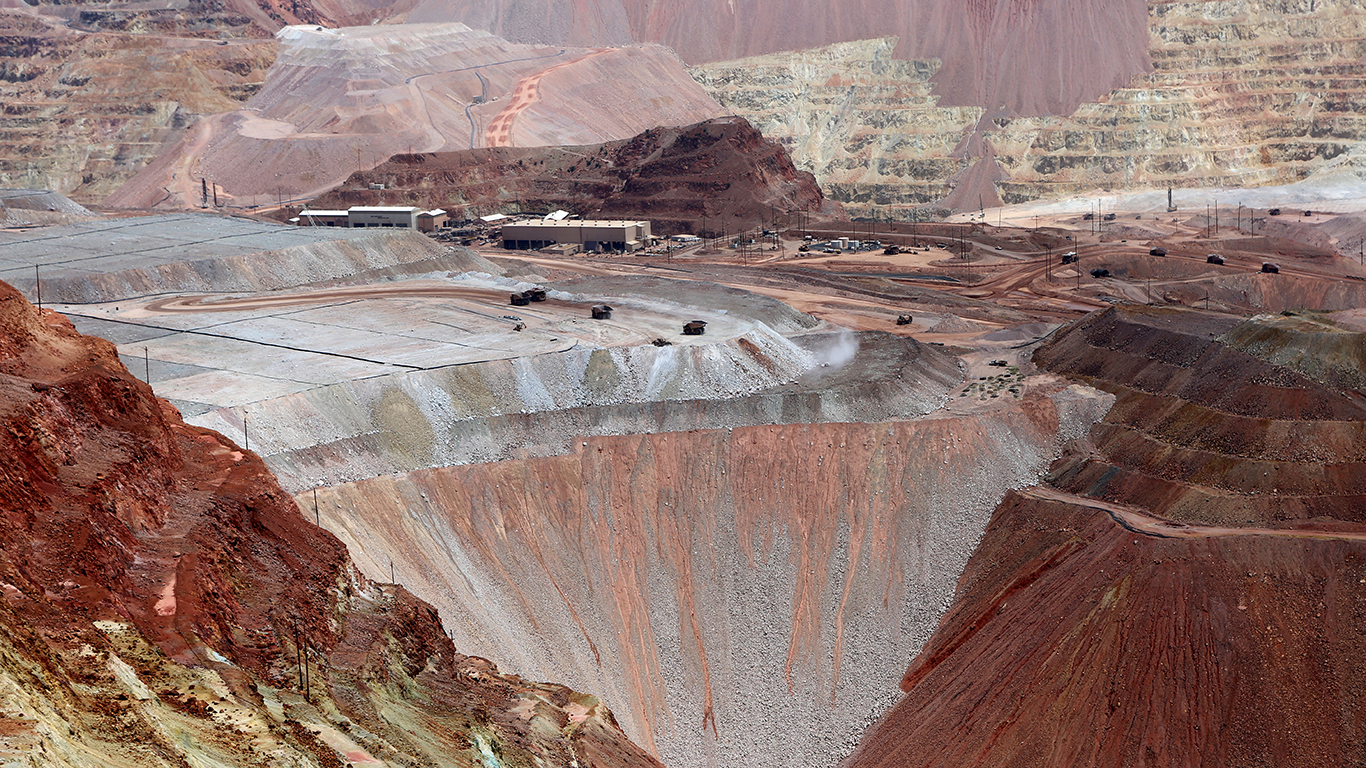
Headquartered in Melbourne, Australia, BHP is the largest mining company on the planet by market cap size. Its operations mine for iron ore, coal, potash, and, of course, copper. The company has over 90 mining locations around the globe, including North America, China, Japan, India, South Korea, and Southeast Asia, but a majority in Australia and South America.
With operating margins 39.92%, BHP has strong operational efficiencies, although profits have declined for the past few years. Elevated copper prices should make an impact going forward. BHP realized the value of its copper operations when it provided over 50% of its 2025 profits. As a result, it is pivoting more emphasis towards copper over its mainstay of iron ore. Financial Review recently reported that “all the copper we are finding these days is in pretty tricky places, the Democratic Republic of Congo, Mongolia – places that are hard to operate in, particularly if you are a Western company, operating with Western standards”
The point was hit home with even more emphasis a few days ago: Brandon Craig, who was BHP’s copper division chief, has been named BHP’s new CEO. If there’s any company with the financial and resource wherewithal to open up new copper mines, BHP would be most oddsmakers’ best bet.
Vale, S.A.
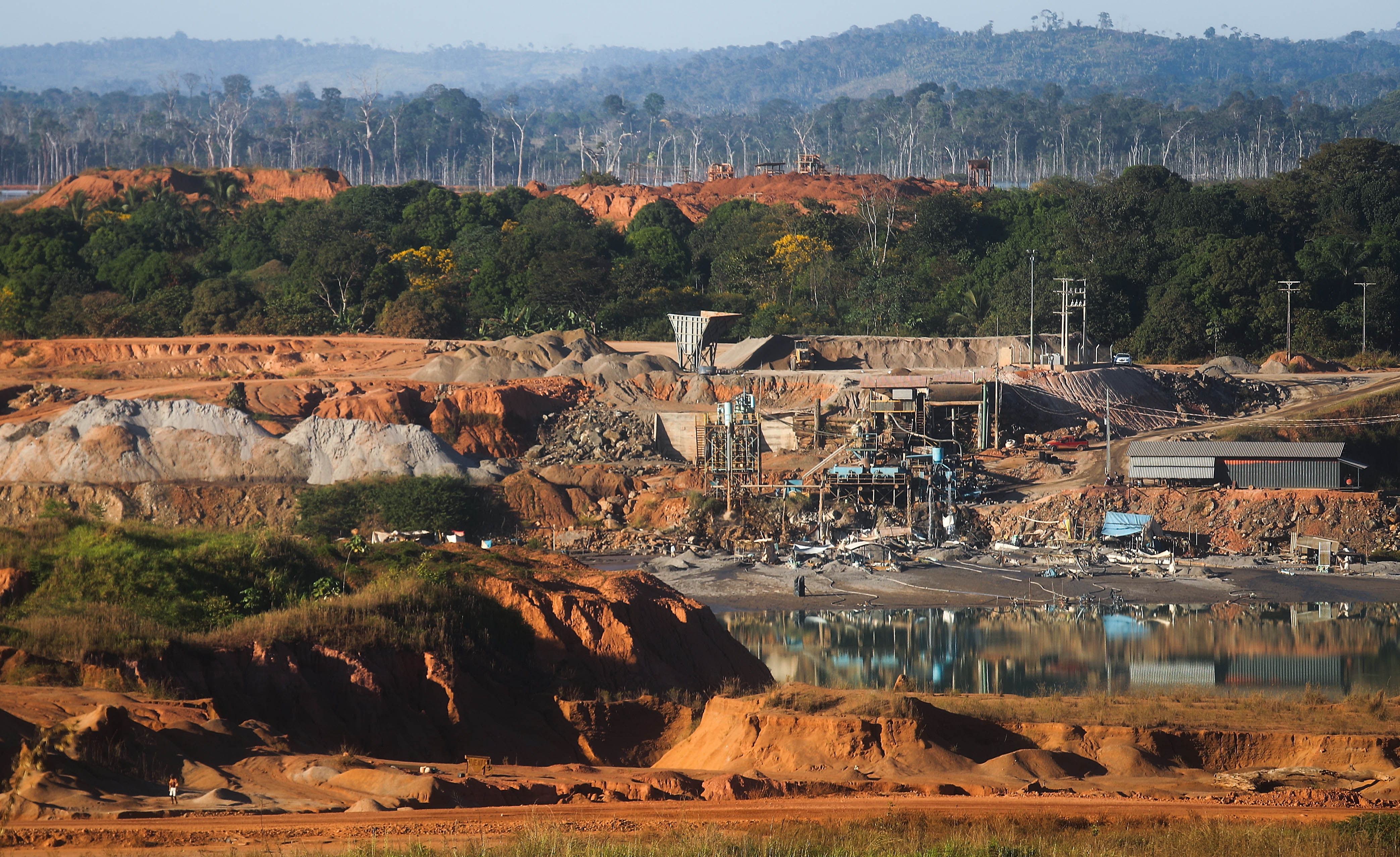
With a $62 billion market cap, Rio De Janeiro’s Vale S.A. is one of Brazil’s top conglomerate entities. Brazil’s sizable depth of natural resources makes Vale’s operations very much a domestic affair.
Copper’s rise has buoyed Vale S.A.’s stock price, which has gained over 38% in the past year. After uncertainty questions about succession which depressed the stock, Gustavo Pimenta’s steady hand at the helm has righted the Vale S.A. ship.
Singaporean commodity trading titan Trafigura estimates that the combined needs of cumulative growth in A.I., electricity demand, and EVs will create an added demand of 10 million pounds of copper between now and 2035. Vale S.A. ‘s Salobo copper mines are the largest in Brazil. The company projects 380,000 tons of production for 2026. It has already budgeted $3.3 billion to expand its copper production to 500,000 MT per year by 2030, and plans to reach 700,000 MT by 2035. .
Vertically integrated Vale S.A. has several divisions, which often work in conjunction with one another as part of the supply chain. These infrastructure assets protect it from sole dependency on commodity prices.
- Mining – Vale is involved with mining of iron ore, copper, nickel, manganese, gold, silver, platinum, cobalt, manganese, and coal.
- Land Logistics and Transportation – Vale owns (3) Brazilian railroads: Vitória a Minas, Carajás, and Ferovia Central-Atlântica. These railroads utilize Vale’s 800 locomotives and 35,000 railcars in transportation of commodities, cargo, and passengers.
- Maritime Logistics and Shipping – Vale controls several dams in Brazil, as well as a number of maritime port terminals throughout Brazil and in Perak, Malaysia. Additionally, Vale owns a fleet of 35 VLOC bulk carriers, which are 400,000 DWT (Dead Weight Tons) rated.
- Hydropower Energy – through control of its dams, Vale handles and distributes hydroelectric power through 8 power plants, predominantly in Minas Gerais, which is Brazil’s second most populated area.
Geopolitically, Brazil is a founding member of the BRICS coalition. (Brazil, Russia, India, China, South Africa). As such, they trade among each other and other member nations in their own currencies, and are not dependent on the US dollar for cross-border transactions. This protects Vale S.A. to a large degree from the ramifications of increased US tariffs.
Contact [email protected] for any questions or corrections.
After 15 years on Wall Street with 7 of them as Director of Corporate and Municipal Bond Trading for a NYSE member firm, I started my own project and corporate finance consultancy. Much of the work involves writing business plans, presentations, white papers and marketing materials for companies seeking budgetary allocations for spinoffs and new initiatives or for raising capital for expansion or startup companies and entrepreneurs. On financial topics, I have been published under my own byline at The Motley Fool, 247wallst.com, DealFlow Events’ Healthcare Services Investment Newsletter and The Microcap Newsletter, among others. Additionally, I have done freelance ghostwriting writing and editing for several financial websites, such as Seeking Alpha and Shmoop Financial. I have also written and been published on a variety of other topics from music, audiophile sound and film to musical instrument history, martial arts, and current events. Publications include Copper Magazine, Fidelity (Germany), Blasting News, Inside Kung-Fu, and other periodicals.