




The S&P 500 is down 7% year-to-date. VPU is up 7% over the same stretch. That divergence is exactly what utilities are supposed to do.
What VPU Is Actually Designed to Do
Vanguard Utilities Index Fund ETF (NYSEARCA:VPU) is a pure-play sector ETF giving investors exposure to U.S. utilities through a single, low-cost fund. Nearly 99% of the portfolio sits in utilities stocks, with no meaningful diversification into other sectors. That concentration is the point.
The fund’s role is defensive ballast: a position that holds value (or gains) when broader equities sell off, pays a steady dividend, and reduces portfolio volatility. Utilities are often called bond proxies because their regulated revenue streams and consistent dividends behave more like fixed income than equities. Investors typically allocate 5% to 15% of a portfolio to utilities as a stabilizer, not a growth engine.
Regulated utilities earn government-approved rates of return on infrastructure investments, producing predictable cash flows regardless of economic cycles. People pay their electric bills in recessions. That predictability funds the dividend, which at 2.48% is modest but reliable. VPU has been paying dividends since its inception in January 2004.
A New Growth Layer: The Data Center Demand Story
AI data centers require enormous, continuous power. Forecasts show data centers consuming more than 600 TWh annually by 2030, roughly 12% of total U.S. electricity demand. For utilities, that is a customer base that never sleeps and never negotiates down.
VPU’s top holdings are positioned directly in this path. NextEra Energy (NEE) is the largest holding at 12.15%, followed by Southern Company and Duke Energy, each at roughly 6.3%. These are the companies signing long-term power purchase agreements with hyperscalers. The fund’s 75-position portfolio also includes Constellation Energy and Vistra Corp, both of which operate nuclear generation assets that tech companies have specifically sought out for carbon-free baseload power.
This shifts VPU’s narrative from purely defensive to defensively positioned with a structural growth tailwind. Investors on Reddit’s r/ValueInvesting have noted this shift, with one commenter writing that they moved into a utilities ETF like VPU specifically because “utilities have historically held up well during downturns” while also recognizing the data center demand story as a reason the sector could outperform beyond its traditional defensive role.
Where VPU Has Won and Where It Has Fallen Short
Over the past year, VPU has returned roughly 21%, compared to about 12% for the S&P 500. The five-year picture is more nuanced: VPU is up about 65% versus 60% for the S&P 500, a near-tie that reflects how different the two paths were. Utilities struggled in 2022 and 2023 as rates rose sharply, then recovered as the Fed began cutting.
The ten-year comparison tells a more honest story. VPU has gained about 150% over the past decade versus roughly 209% for the S&P 500. Investors who held VPU as a core position rather than a satellite allocation gave up meaningful long-term growth. That tradeoff should be understood clearly before sizing a position.
Three Real Tradeoffs Built Into This Fund
- Interest rate sensitivity cuts both ways. Utilities borrow heavily to fund infrastructure, and their dividends are constantly compared to bond yields. The Fed cut rates by 75 basis points between September and December 2025, which helped VPU. But the 10-year Treasury yield has climbed back to 4.42%. When bond yields rise, utilities face valuation pressure because investors can get competitive income from safer fixed-income alternatives. VPU’s 2.48% dividend yield looks less compelling when a 2-year Treasury pays more with no equity risk.
- Top-heavy concentration in a single name. NextEra Energy represents 12.15% of the fund. If NEE faces a regulatory setback, a major project writedown, or a dividend cut, VPU feels it immediately. The top three holdings together account for roughly a quarter of the portfolio. VPU is not as diversified as its 75-position count implies.
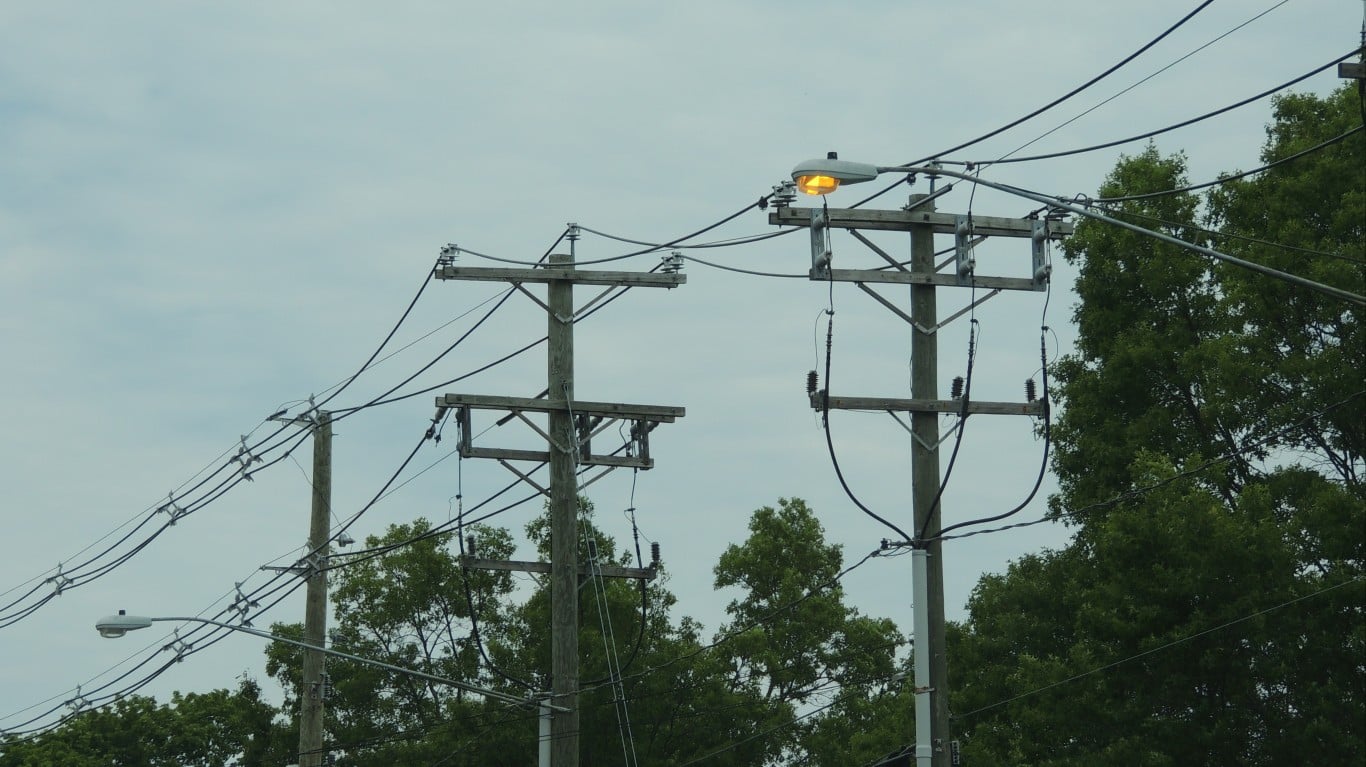
- Regulatory and policy risk is structural. Utility earnings are set by state and federal regulators, not markets. Rate cases can go against a utility’s requested increases, compressing returns. Clean energy policy shifts, permitting delays, and grid interconnection backlogs can all slow the capital deployment that drives earnings growth. The U.S. would need roughly 5,000 miles of new high-capacity transmission per year between 2025 and 2035 to ensure grid reliability, but actual build rates remain well below that target. The demand story is real; the execution risk is equally real.
Historically, utilities ETFs like VPU have served as a 5% to 15% defensive sleeve in diversified portfolios, offering lower volatility and steady income during equity market stress. Investors who have sized it as a core growth position have generally trailed the broader market over a full decade.
Contact [email protected] for any questions or corrections.








 Top Gaining Stocks
 Top Losing Stocks