Oil Spiked 12% in One Day — Here Is the Surprise Stock You Should Buy Today
Oil prices just delivered their biggest one-day jump in six years. U.S. crude surged nearly 12% on April 2, climbing above $111 per barrel. Brent crude rose almost 8% to more than $109. The trigger? President Trump’s address outlining escalated…

This post may contain links from our sponsors and affiliates, and Flywheel Publishing may receive compensation for actions taken through them.
Oil prices just delivered their biggest one-day jump in six years. U.S. crude surged nearly 12% on April 2, climbing above $111 per barrel. Brent crude rose almost 8% to more than $109. The trigger? President Trump’s address outlining escalated strikes on Iran and no quick path to reopening the Strait of Hormuz, which handles about one-fifth of global oil shipments. Gas prices followed: regular unleaded hit $4.08 a gallon nationwide, up from $2.98 before the conflict.
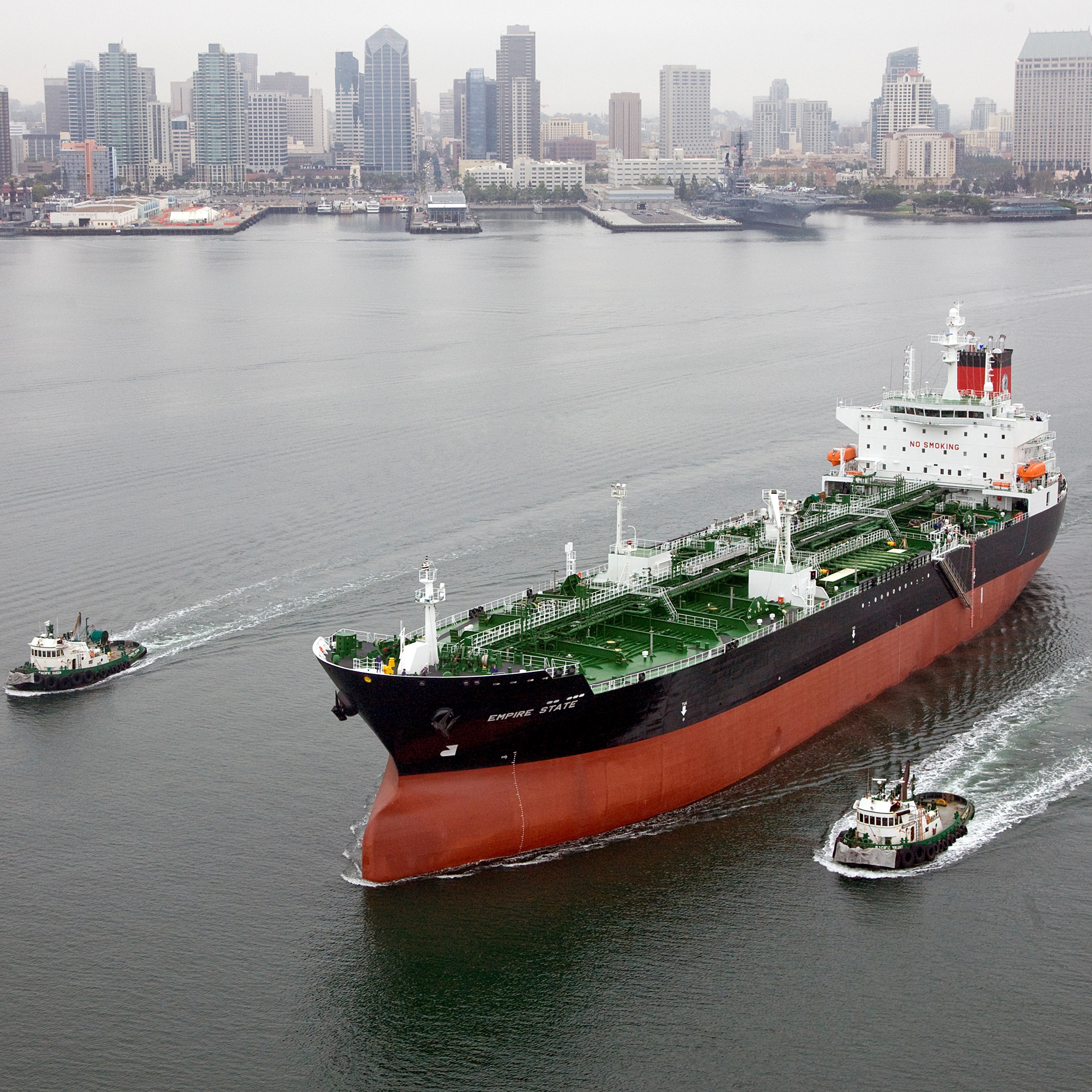
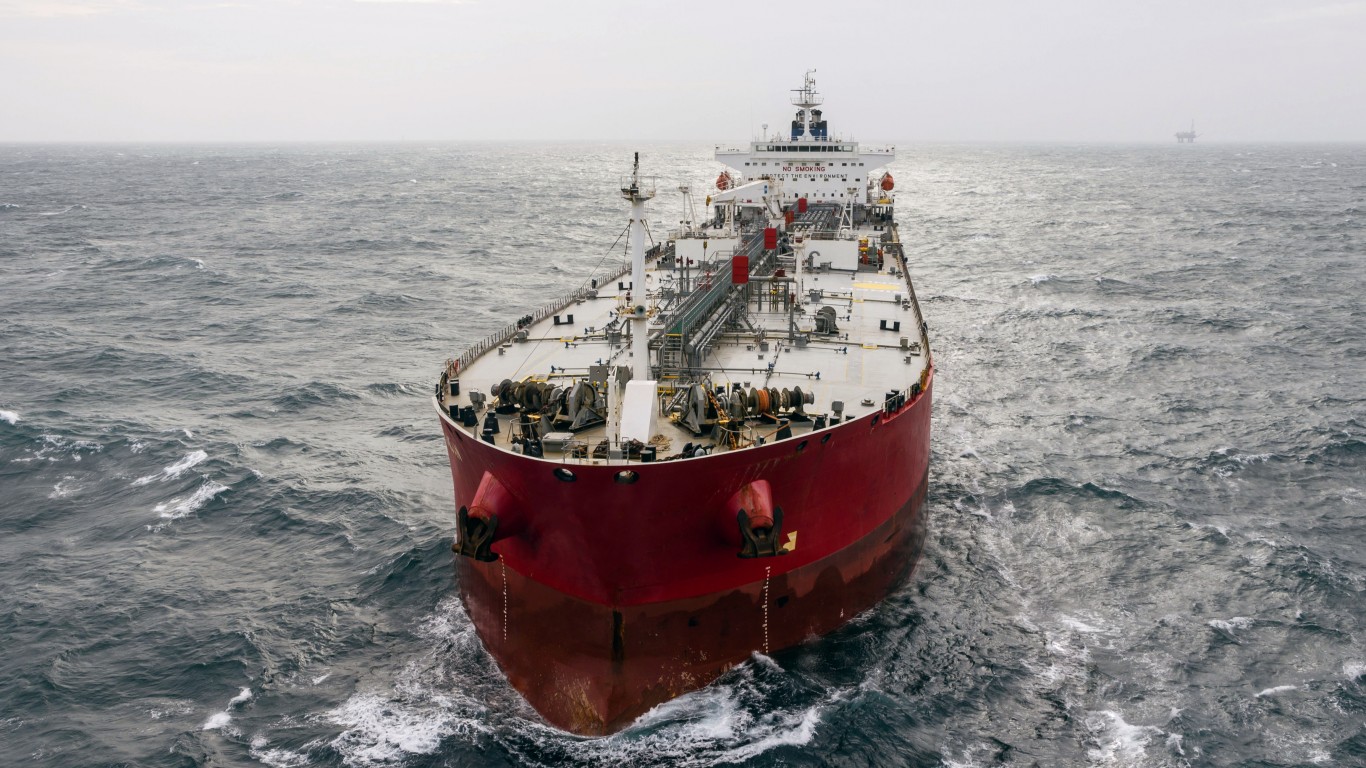
Investors focusing on oil stocks may look to upstream producers like Occidental Petroleum (NYSE:OXY | OXY Price Prediction) as big beneficiaries from the surge, but the real winner sits one step removed from the barrel price: oil tankers. When geopolitics snarls supply routes, ships take longer detours, insurance costs climb, and spot charter rates soar. Frontline (NYSE:FRO) — the world’s largest very large crude carrier (VLCC) tanker operator — is perfectly positioned to cash in.
The Geopolitical Tailwind Fueling Tanker Rates
The Strait of Hormuz disruption forces VLCCs — the massive vessels that carry two million barrels at a time — to reroute around Africa. That adds days at sea, multiplies daily hire rates, and tightens an already tight fleet. Frontline’s fourth quarter earnings already showed the setup: average daily spot time-charter-equivalent earnings hit $74,200 for VLCCs, $53,800 for Suezmaxes, and $33,500 for LR2/Aframax tankers. Those figures more than doubled sequentially in some segments and drove adjusted net income to $230 million, or $1.03 per share, beating estimates by a penny.
Fast-forward to this week’s oil shock. With 20% of seaborne crude at risk of longer voyages, rates are poised to climb further. Frontline’s 80-vessel fleet (41 VLCCs, 21 Suezmaxes, 18 LR2/Aframax) totals 17.6 million deadweight tons and averages just 7.5 years old. Modern, scrubber-fitted ships command premium rates and burn less fuel — two edges competitors lack.
Frontline’s Numbers Tell a Clear Story
Trailing-12-month revenue reached $1.97 billion through Dec. 31, while net income totaled $379 million. That works out to trailing EPS of $1.70 and a price-to-earnings ratio of 21.5 — reasonable for a cyclical business generating strong free cash flow. The company’s latest quarterly dividend came in at $1.03 per share, supporting a forward annualized yield near 4.8%.
Even better, management highlighted $2.8 billion in potential cash generation capacity, or $12.51 per share, implying a cash-flow yield above 34% at recent prices. That cash is already funding fleet renewal: Frontline agreed in December to sell eight older ECO VLCCs for $831.5 million (expected $212 million gain in Q1 2026) and acquire nine next-generation scrubber-fitted VLCC newbuildings for $1.224 billion, with deliveries starting in 2026 to 2027.
How Frontline Stacks Up Against Peers
No company operates in a vacuum. Compare the numbers side-by-side (Yahoo Finance and company filings as of early April 2026):
| Company | Market Cap | Fleet Size (Vessels) | YTD Return | Trailing P/E | Quarterly Dividend | Key Differentiator |
| Frontline | $8.15 billion | 80 | 149% | 21.5 | $1.03 | Largest fleet, strong cash flow scale, modern vessels |
| DHT Holdings (NYSE:DHT) | $3 billion | 24 | 53% | 14.2 | $0.41 | Smaller fleet, lower cash flow scale |
| Nordic American Tankers (NYSE:NAT) | $1.3 billion | 20 | 79% | 106.1 | $0.12 | Smaller fleet, less operating leverage |
Frontline’s scale and modern fleet give it the clearest leverage to rising rates. While all three tanker names rose on the oil spike, Frontline’s size and renewal program deliver superior earnings power.
Granted, tankers remain cyclical. Rates can fall if tensions ease or new vessels flood the market later this decade. That said, current supply discipline — no major order book overhang — and ongoing Middle East friction tilt the odds in operators’ favor for 2026.
Key Takeaway
Frontline is a buy today, even after the stock’s 115% rise over the past year. At $36.60 per share, with Q4 rates already strong, a 4.8% dividend yield, and cash flow generation that could exceed $12 per share, the shipper offers retail investors a direct, high-conviction way to profit from the very disruptions driving oil higher.
The macro setup is rare; the company’s execution is proven. Smart investors who act before next month’s earnings stand to collect both rising charter income and a healthy payout — regardless of where the next barrel of crude ultimately trades.
Contact [email protected] for any questions or corrections.
After two decades of patrolling the dark corners of suburbia as a police officer, Rich Duprey hung up his badge and gun to begin writing full time about stocks and investing. For the past 20 years, he’s been cruising the markets looking for companies to lock up as long-term holdings in a portfolio while writing extensively on the broad sectors of consumer goods, technology, and industrials. Because his experience isn’t from the typical financial analyst track, Rich is able to break down complex topics into understandable and useful action points for the average investor. His writings have appeared on The Motley Fool, InvestorPlace, Yahoo! Finance, Money Morning, and, of course, 24/7 Wall St. He has been featured in both U.S. and international publications, including MarketWatch, Financial Times, Forbes, Fast Company, and USA Today.