





Philip Morris International (NYSE:PM) reports Q1 2026 earnings on April 22, before the market opens. The headline question heading into the print is whether FDA scrutiny of nicotine pouches will slow ZYN’s momentum just as the product hits its stride globally.
Growth Story Meets a Regulatory Ceiling
Last quarter, Philip Morris delivered Q4 2025 adjusted diluted EPS of $1.70, exactly in line with the $1.70 consensus estimate. Revenue of $10.36 billion grew 6.8% year over year but missed the $10.42 billion consensus by 0.59%. The smoke-free business carried the weight, with smoke-free revenue of $4.354 billion growing 12.0% and now representing 41.5% of total net revenues.
ZYN U.S. shipments came in at 196 million cans in Q4, up over 19% year over year. For the full year, ZYN U.S. shipments grew 37% to 794 million cans. The company holds roughly 70% of the U.S. nicotine pouch market. Since the Q4 report, the stock has pulled back 5.89% over the past month, trading at $160 against a 52-week high of $189.61. One notable drag: regulatory setbacks including FDA delays contributed to a 4.5% price drop in recent weeks.
Consensus Estimates for Q1 2026
| Metric | Q1 2026 Estimate | Q1 2025 Actual | YoY Growth |
|---|---|---|---|
| Adjusted Diluted EPS | ~$1.82 (midpoint of $1.80–$1.85 guidance) | $1.69 | — |
| Full Year EPS | $8.38–$8.53 | $7.54 | 11.1%–13.1% |
| Full Year Revenue Growth | 5%–7% organic | $40.648B | Organic guidance |
ZYN’s Regulatory Overhang Is the Real Test
The FDA narrative warrants closer attention than the EPS print this quarter. The FDA has flagged concerns about youth access to nicotine pouches and has been deliberate (critics say slow) about advancing fast-track approvals for new ZYN products due to weak science supporting their safety profile for adolescents. ZYN holds 61.5% U.S. can volume share and over 67% value share, so any regulatory tightening lands directly on the company’s most important growth engine.
CEO Jacek Olczak acknowledged the constraint directly on the Q4 call: “Accessing all segments of the U.S. nicotine pouch category will require us to navigate a dynamic and uncertain regulatory environment.” The pending ZYN Ultra application, which targets higher nicotine strengths and adult-oriented flavors, sits in the FDA’s pilot program. Olczak noted readiness to launch but added: “I will stay from any fortune telling…about precise timing of FDA.”
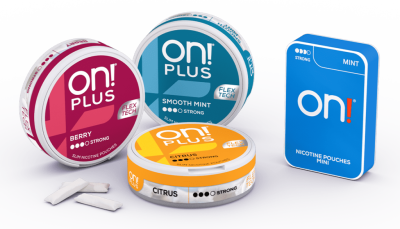
The portfolio gap is real. ZYN is currently limited to the 3–6mg nicotine strength range, missing the higher-strength segment where competitor products are gaining ground. Altria‘s (NYSE:MO | MO Price Prediction) nationwide rollout of On! PLUS adds competitive pressure in exactly that space. Investors should also watch how management frames the Americas segment, which saw adjusted operating income fall 43.4% organically in Q4 due to ZYN promotional spending. If that drag persists into Q1 2026, it will test investor patience.
Separately, the company restructured into three segments effective January 2026: International Smoke-Free, International Combustibles, and U.S. This is the first quarter under the new reporting framework, and the U.S. segment disclosure will give investors a cleaner look at ZYN’s true profitability and margin trajectory. Currency headwinds are also worth noting: 2026 adjusted EPS ex-currency growth is guided at 7.5%–9.5% versus the reported 11.1%–13.1%, meaning FX is absorbing a meaningful portion of the headline growth.
A Pivotal Quarter for the Smoke-Free Transition
Philip Morris has beaten EPS estimates in seven of the last eight quarters, and management raised full-year guidance three times in 2025. The core business has delivered, but Q1 2026 is the first real test of whether the FDA’s cautious posture on nicotine pouches can meaningfully slow a product that has become central to the company’s long-term identity. If ZYN Ultra remains in regulatory limbo and the U.S. segment margins stay compressed, the smoke-free story gets harder to tell at 22x trailing earnings.














 Top Gaining Stocks
 Top Losing Stocks