




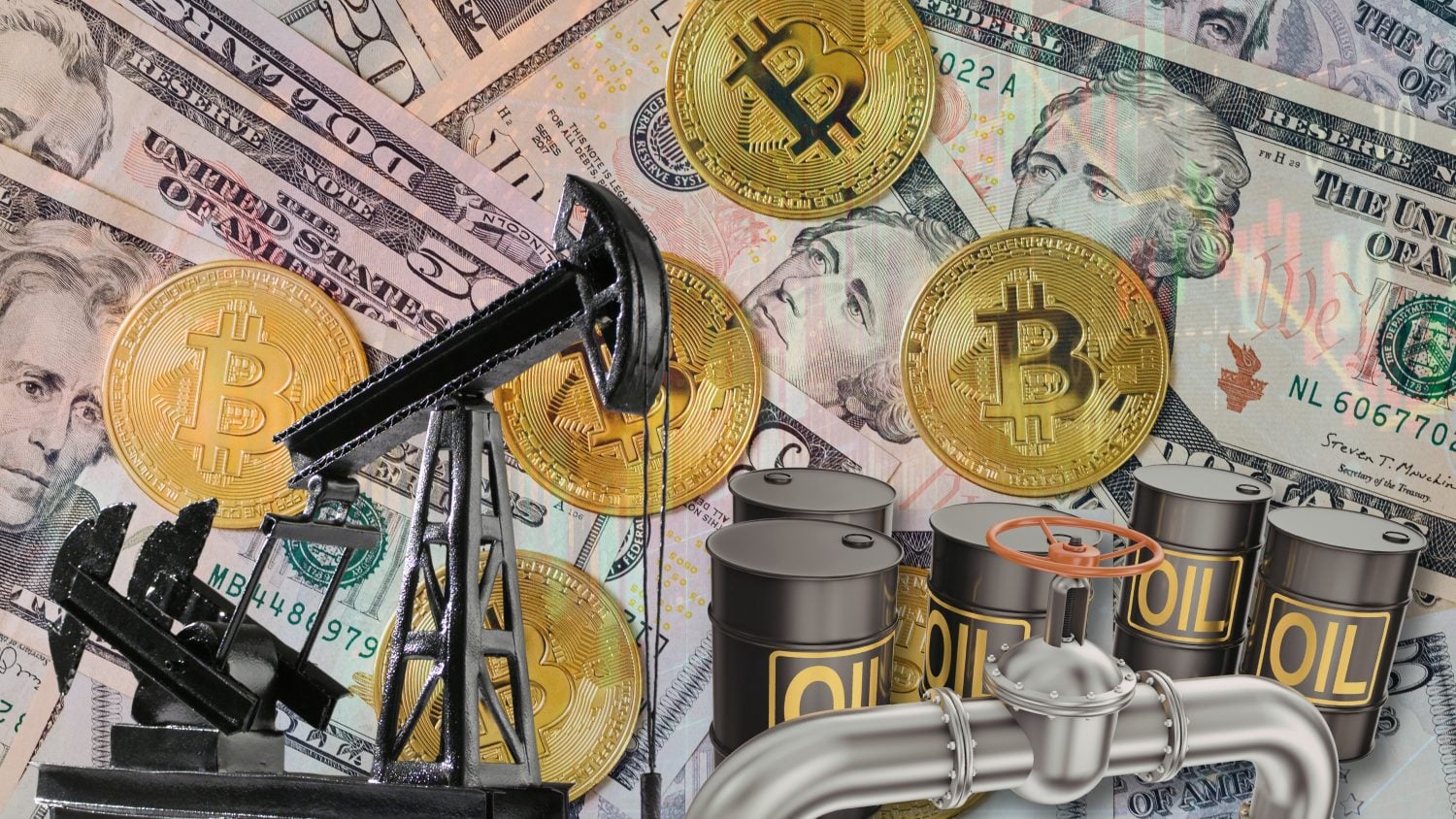
The Iran war has been the single biggest drag on the crypto market since February 28, but the same conflict has ironically given crypto its biggest real-world use case yet. Iran is demanding that oil tankers crossing the Strait of Hormuz pay transit tolls in Bitcoin (CRYPTO: BTC) at a rate of $1 for every barrel of oil on board. A fully loaded supertanker carrying 2 million barrels would need to pay roughly $2 million in crypto before it can pass through.
No country has ever used cryptocurrency as a sovereign payment tool at a global scale of this level. Iran is doing it because U.S. sanctions have cut it off from the dollar system, and crypto is the only payment method that cannot be frozen or seized mid-transaction. This is a landmark moment for crypto as it shows its use as a decentralized currency, but it is ironic that it has to be used in an ugly war situation.
Oil Tankers Are Paying $1 Per Barrel in Bitcoin to Cross the Strait of Hormuz

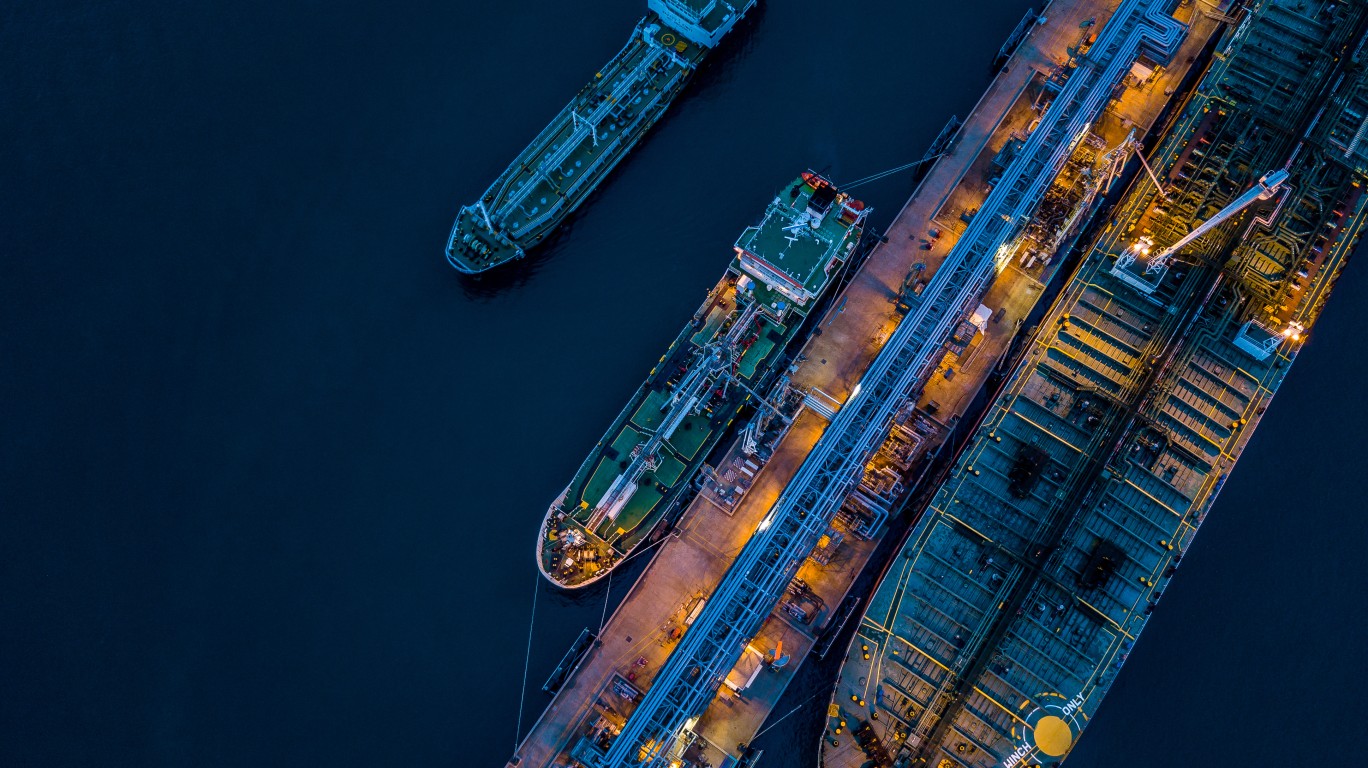
Iran’s parliament passed the Strait of Hormuz Management Plan on March 30, turning a toll system that had been running since mid-March into law. Any tanker carrying oil through the strait has to email Iranian authorities with its cargo details, crew list, and destination port up to 96 hours before arrival.
Iran then assesses the tanker and sets the toll at $1 per barrel of crude on board. The crew has to complete the payment in Bitcoin, after which the ship receives a one-time passcode and an IRGC Navy escort to pass through. But empty tankers are allowed to pass for free.
Passage through the strait is being limited to roughly 12 ships per day under a five-tier nationality ranking that determines how much each tanker pays. Ships from countries Iran considers friendly, like China and India, get lower rates. Tankers linked to the United States or Israel are denied passage entirely. Ships in the area have been warned over the radio that any tanker trying to cross without permission would be destroyed.
Before the war, between 110 and 150 ships crossed the strait daily. On the first day of the ceasefire, only five made it through, and none of them were oil tankers. Trump responded to the toll system by calling the idea of a joint U.S.-Iran toll venture a beautiful thing, while the White House separately said the ceasefire requires the strait to be open without limitation, including tolls. The two countries directly contradict each other, and as of today, the strait remains effectively closed to normal traffic.
Why This Is the First Real Test of Bitcoin as Sovereign Money
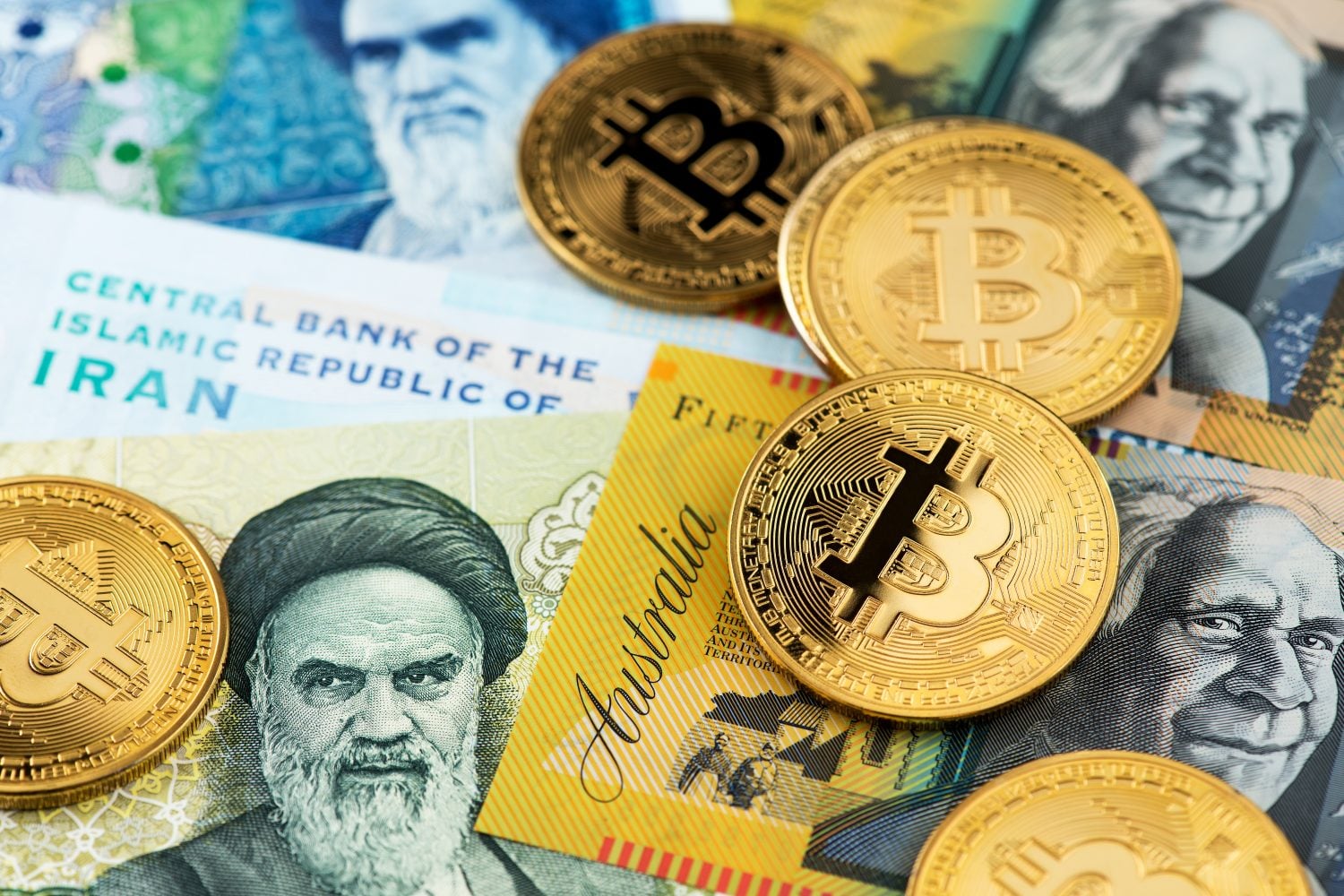
Iran has been under U.S. sanctions since 1979 and was cut off from SWIFT entirely in 2018, leaving it with no access to the global dollar-based banking system. Major banks that have processed Iranian transactions in the past, including BNP Paribas, Standard Chartered, and HSBC, were fined billions of dollars.
Stablecoins like USDT seemed like a way around that, but Tether has the ability to freeze wallets at any time. The company has blocked over $3.3 billion to date, and in March alone it froze $6.7 million tied to IRGC and Houthi-linked networks. If the company behind the currency can shut it off at will, it is not a reliable payment method for a country at war with the government that company answers to.
Bitcoin is different because no single company or entity controls it. There is no compliance team and no backdoor that lets a third party freeze a payment mid-transaction. Iran’s oil exporters’ union spokesman told the Financial Times that payments are made in Bitcoin to ensure they cannot be traced or confiscated due to sanctions. The IRGC had already routed roughly $1 billion through crypto infrastructure before the toll system even started, so they have the wallets, the liquidity, and the experience to make it work at scale.
The whole situation is now a big moment for the future of crypto. Bitcoin was built to be money that no government or institution can control, and a nation-state just used it for exactly that at the world’s most important oil chokepoint. No ETF approval or institutional partnership has ever done that for crypto. It also raises serious questions about how governments will respond to crypto being used to move around the financial systems they control, and those questions will shape the conversation around digital assets for years to come.
What Iran Just Proved About Bitcoin
Regardless of what happens with the ceasefire, a sovereign nation has now used Bitcoin to collect payments on global trade at the world’s most critical shipping lane. Iran has written the toll system into law through a formal act of parliament, and that is not something that would change even when the fighting stops.
Iran’s Houthi allies in Yemen are already running a similar selective transit system at the Bab al-Mandeb strait in the Red Sea. It handles roughly 12% of global trade and serves as the gateway to the Suez Canal. If crypto tolls spread there too, two of the world’s most critical shipping lanes would be running on cryptocurrency. Bitcoin was designed to work without anyone’s permission, and that just became the reason a government chose it over every other form of money available.











 Top Gaining Stocks
 Top Losing Stocks