$100 Oil: Why Suze Orman Says Panic-Selling Now is the Ultimate Investing Mistake
Crude oil prices have surged more than 50% since the U.S.-Iran war began on February 28, with WTI crude sitting at $102 per barrel as of April 13, 2026. The S&P 500 is essentially flat year-to-date, down 0.36%, and both…

This post may contain links from our sponsors and affiliates, and Flywheel Publishing may receive compensation for actions taken through them.

Crude oil prices have surged more than 50% since the U.S.-Iran war began on February 28, with WTI crude sitting at $102 per barrel as of April 13, 2026. The S&P 500 is essentially flat year-to-date, down 0.36%, and both the Dow and Nasdaq are more than 10% below their record highs. President Trump told the Financial Times on Sunday that he wants to “take the oil” in Iran, and the U.S. sent thousands of troops to the Middle East last week, signals that this conflict is not winding down.
Two of America’s most recognizable personal finance voices have weighed in with the same message: keep your head.
Suze Orman: Oil Is Driving Everything Right Now
Orman recently sat down with markets expert Keith Fitz-Gerald to discuss the chaos. Her read was direct: “Everything now is simply dependent on one thing and one thing only. And that is oil, in my opinion.” She noted that corporate fundamentals — earnings and profitability — had been solid before the war started, and that the market’s movements are now tracking oil almost tick for tick. “Now we’re watching oil go up and up and up and sometimes it comes back down and when it comes back down, that’s when we see the markets go up.”
Her core advice: resist the urge to sell. Fitz-Gerald reinforced that point from personal experience: “Everybody who thinks they’re being smart by stepping out right now is going to get left behind. I’ve learned that lesson the hard way. I thought I was being smart, I bailed out, I made mistakes, I lost money.” The VIX fear gauge has already pulled back sharply from its late-March high of 31.05 to 19.90 as of April 13 — a reminder that panic peaks fast and fades.
Dave Ramsey: Control What You Can Control
Ramsey’s framework is practical and budget-first. Key points, as outlined on RamseySolutions.com:
- Audit your budget now. Cut discretionary spending — dining out, unused subscriptions — to absorb higher gas costs without touching savings.
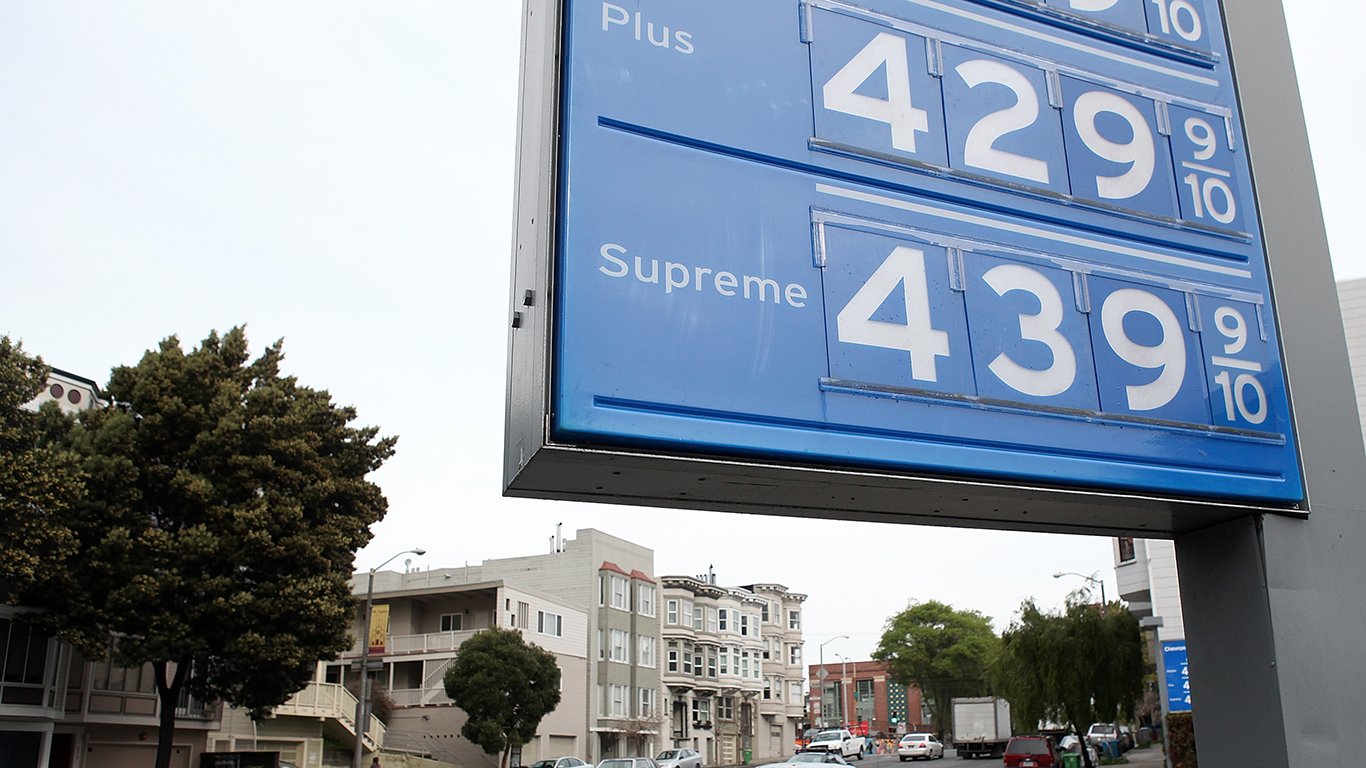
- Don’t buy a new car to save on gas. Spending $15,000 to save $10-$20 a week on gas is poor math. If you need to downsize, sell your current vehicle and buy a used, fuel-efficient car of equal or lesser value.
- Protect your emergency fund and retirement contributions. These are non-negotiable even when prices spike.
- Carpool, batch errands, and use gas rewards programs to lower your cost per fill-up.
Why Gas Prices Spike This Fast
The Strait of Hormuz — a narrow shipping route near Iran — carries about one-fifth of the world’s oil. Conflict in the region squeezes global supply almost immediately. OPEC’s 23 member nations produce 35% of global oil, meaning production decisions compound geopolitical shocks. Oil was around $62 a barrel in January 2026 and has more than doubled in roughly ten weeks. Gas inflation had actually been falling 5.6% over the prior year before the war began, which makes the reversal feel jarring to household budgets.
With consumer sentiment sitting at 56.6 — just above recessionary warning territory — and CPI at a 12-month high of 330.3, the financial pressure on households is real. Both Orman and Ramsey land in the same place: make disciplined adjustments to your spending, protect your long-term financial foundation, and don’t let a temporary price spike drive a permanent financial mistake.
This article provides information only and should not be construed as advice. It is provided without warranty of any kind.
Contact [email protected] for any questions or corrections.
Don Lair writes about options income, dividend strategy, and the kind of boring-but-durable investing that actually funds retirement. He's the founder of FITools.com, an independent contributor to 24/7 Wall St., and a former writer for The Motley Fool.