GRX’s 14-Year Dividend Streak Holds Firm as Rate Cuts Ease Leverage Costs
Gabelli Healthcare & WellnessRx Trust (NYSE:GRX) has quietly maintained a quarterly dividend for over a decade, and a recent increase has drawn fresh attention from income-focused investors. The question is whether that income stream can hold. How GRX Generates Its…


Gabelli Healthcare & WellnessRx Trust (NYSE:GRX) has quietly maintained a quarterly dividend for over a decade, and a recent increase has drawn fresh attention from income-focused investors. The question is whether that income stream can hold.
How GRX Generates Its Income
GRX is a closed-end fund (CEF) managed by Gabelli Funds, focused on healthcare and pharmaceutical companies. Unlike an open-end mutual fund or a standard ETF, a CEF trades on an exchange at a price that can differ from its underlying net asset value (NAV). The fund generates income primarily through dividends and capital gains from its equity holdings in healthcare-related companies, then distributes that income to shareholders on a quarterly basis.
Because the fund holds equity rather than bonds, distributions depend heavily on the performance of underlying healthcare stocks and the fund’s ability to realize gains. CEFs also sometimes return capital as part of their distributions, which can inflate the apparent yield without representing true investment income.
The Dividend Track Record
The consistency here is genuine. GRX has maintained quarterly payments for 14-plus consecutive years with no missed or skipped dividends. The fund raised its quarterly distribution from $0.15 to $0.17 per share beginning in mid-2025, and has held that level across all four subsequent quarters through March 2026.
The long-term trajectory also shows discipline. From 2007 through 2015, the fund paid $0.12 to $0.13 per quarter. It grew to $0.14 to $0.15 between 2015 and 2020, stabilized at $0.15 from 2022 through 2024, and stepped up to the current $0.17 level in 2025. The fund has also issued special dividends in certain years, including a $0.36 special distribution in December 2021, a $0.91 special dividend in December 2012, and a $0.61 special dividend in December 2013.
Rate Environment and Leverage Costs
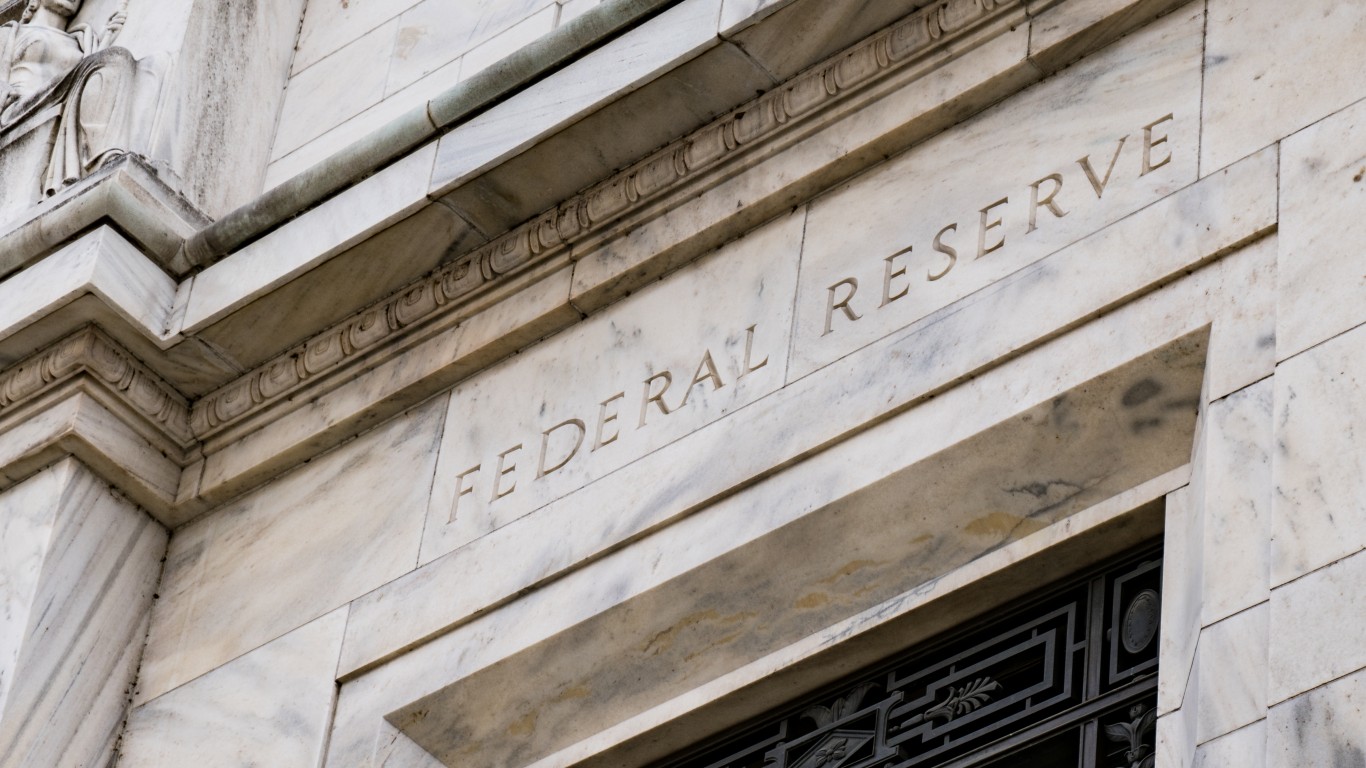
The macro backdrop has shifted in GRX’s favor over the past several months. The Federal Reserve cut its benchmark rate by 75 basis points between September and December 2025, bringing the fed funds rate from 4.5% to its current level of 3.75%. For a leveraged CEF, lower short-term borrowing costs reduce the drag on distributions.
The 10-year Treasury yield sits near 4.3%, which sets a meaningful benchmark for income comparisons. At 3.75% on the short end, the spread between GRX’s borrowing costs and its portfolio returns remains workable, though not wide.
One headwind worth watching: core PCE inflation has risen steadily over the past year, with the index climbing from roughly 125 to nearly 129. Healthcare companies face real cost pressures from labor and pharmaceutical inputs, which can compress the margins that fund dividend payments to GRX.
Total Return Context
Income alone does not tell the full story. GRX shares are currently near $9, down about 3% year to date and essentially flat over five years, returning about -2% since April 2021. The one-year price return is a more encouraging 5%, and the ten-year return reaches 66%. Combined with consistent distributions, the long-term picture is reasonable, but price appreciation has been modest.
Verdict
GRX’s dividend looks stable rather than exceptional. The primary risks are healthcare sector cost pressures and the fund’s dependence on portfolio gains to sustain payouts. This fund suits income investors with genuine conviction in healthcare equities who can tolerate modest price appreciation. Investors expecting growth alongside income will find the price history underwhelming.
Contact [email protected] for any questions or corrections.
Austin Smith is a financial publisher with over two decades of experience as an investor, analyst, and advisor. He covers stocks, ETFs, Artificial intelligence and personal finance for 24/7 Wall St. Previously, he spent over a decade at The Motley Fool as a senior editor for Fool.com, portfolio advisor for Millionacres, and launched The Ascent to help reader take control of their personal finances.
His work has been featured on Fool.com, NPR, CNBC, USA Today, Yahoo Finance, MSN, AOL, Marketwatch, and many other publications. He is as an advisor to private companies, and co-hosts The AI Investor Podcast with Eric Bleeker.
When not looking for investment opportunities, he can be found skiing, running, or playing soccer with his children. Learn more about Austin's investment approach here.