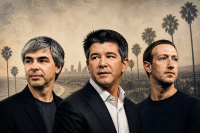
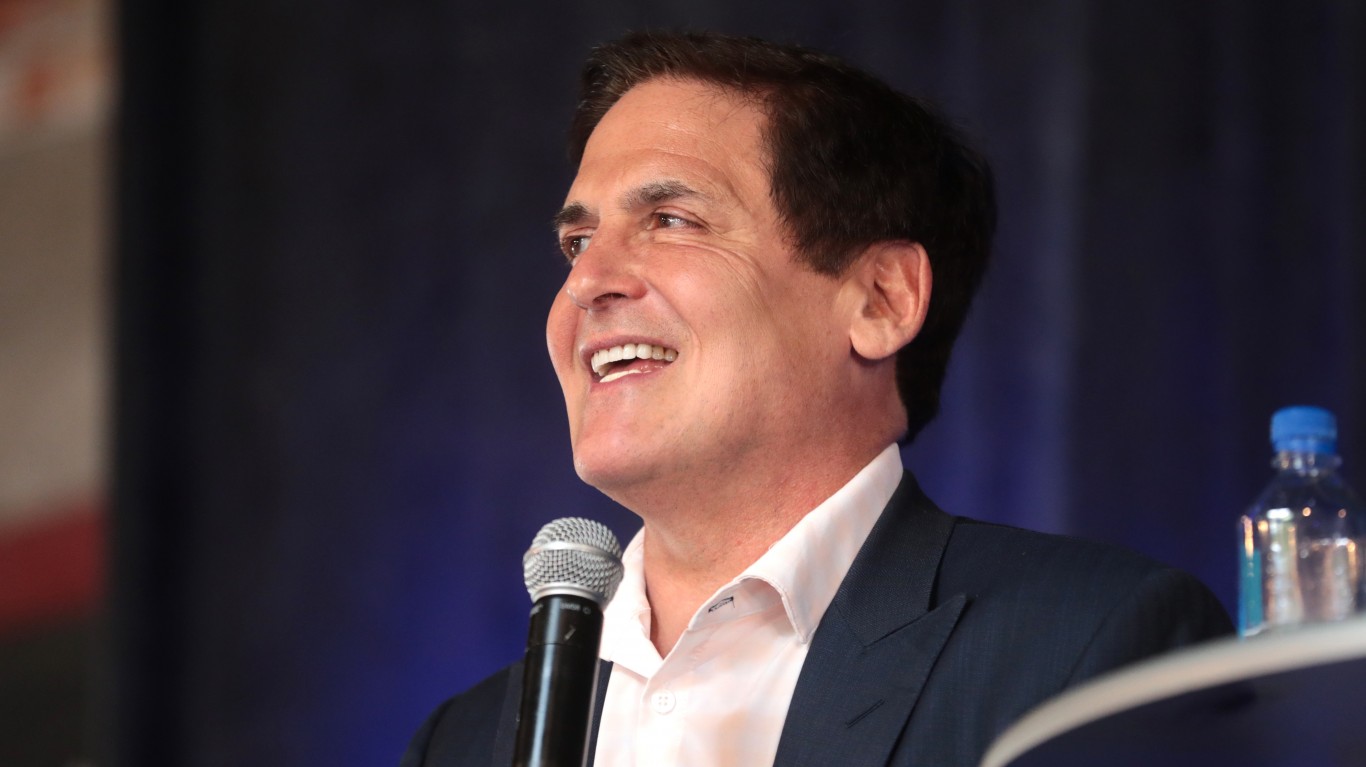
8 billionaires who fled California before the “Wealth Tax” hit — and one who didn’t
California's 2026 Billionaire Tax Act (Initiative No. 25-0024) is a citizen-led ballot measure, sponsored by SEIU-United Healthcare Workers West, that proposes a one-time 5% excise tax on the global net worth of individuals exceeding $1 billion. The kicker: a retroactive…

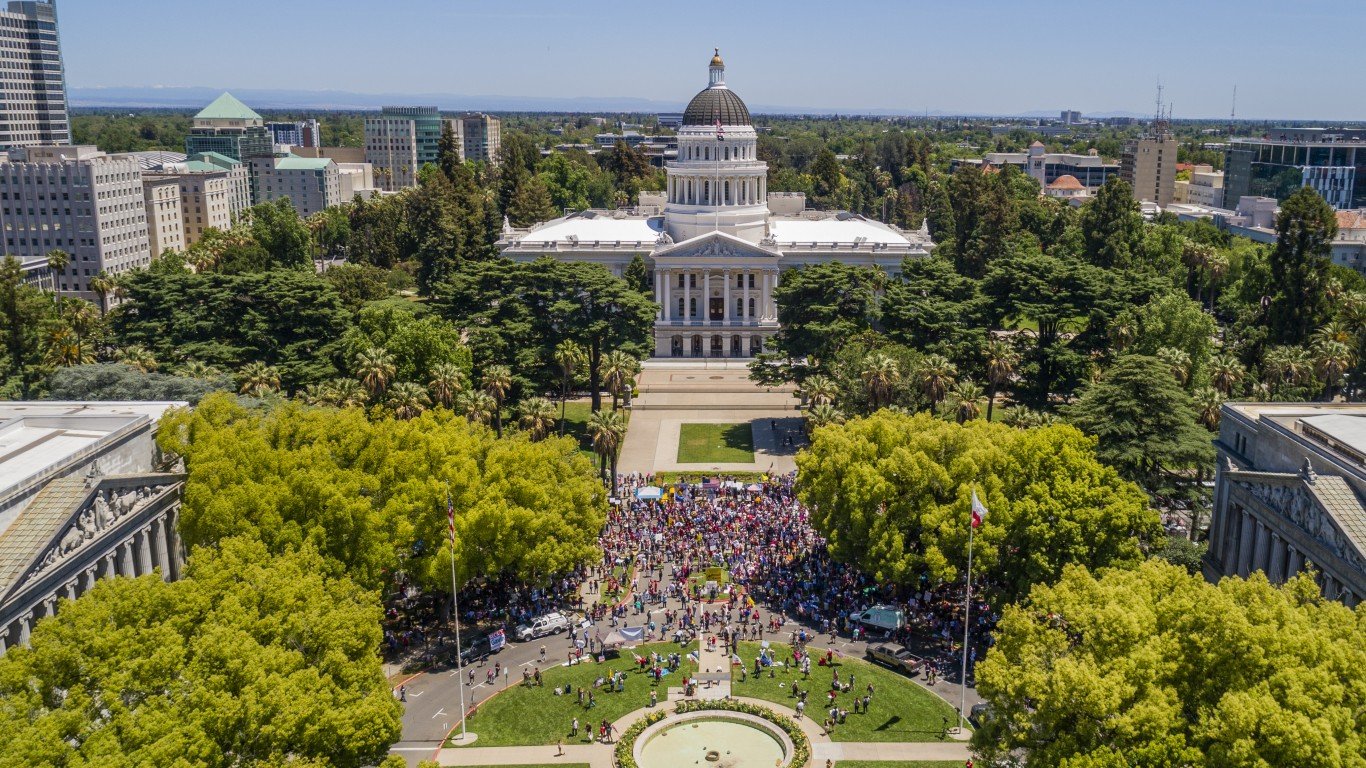
California’s 2026 Billionaire Tax Act (Initiative No. 25-0024) is a citizen-led ballot measure sponsored by SEIU-United Healthcare Workers West. It proposes a one-time 5% excise tax on the global net worth of individuals exceeding $1 billion, with a partial phase-out for those between $1 billion and $1.1 billion. The Tax Foundation has warned that aggressive design choices and possible drafting errors could push the effective rate well above 5% for some taxpayers. The initiative’s defining feature is its retroactive residency snapshot: anyone who was a California resident on January 1, 2026 would owe the tax even if they later moved, with voters set to decide on November 3, 2026. That single clause opened a narrow late-2025 window for roughly 200 affected individuals: stay and risk a levy on all global wealth, or establish a new domicile before New Year’s Eve.
The measure was projected to raise about $100 billion for Medi-Cal, food assistance, and education. A Hoover Institution study by Senior Fellow Joshua Rauh, Research Fellow Benjamin Jaros, Research Associate Gregory Kearney, and research analysts John Doran and Matheus Cosso found that billionaire departures had already removed $536 billion from the tax base before the initiative even qualified for the ballot, cutting projected revenue to roughly $40 billion. Factoring in the permanent loss of future income tax payments from those departed residents, the study placed the net present value at approximately negative $24.7 billion for the state. On April 26, 2026, supporters announced they had collected 1.6 million signatures, nearly double the roughly 875,000 required. The California Secretary of State certified the initiative on June 17, 2026, with 980,438 valid signatures verified, formally placing it on the November ballot as Proposition 40. A September 2026 NBCUniversal Local/Telemundo Station Group poll found 48% of likely California voters would vote yes on the measure, with 38% opposed and 14% undecided. Here is who walked, in order of net worth.
1. Larry Page (Florida) $274.7B
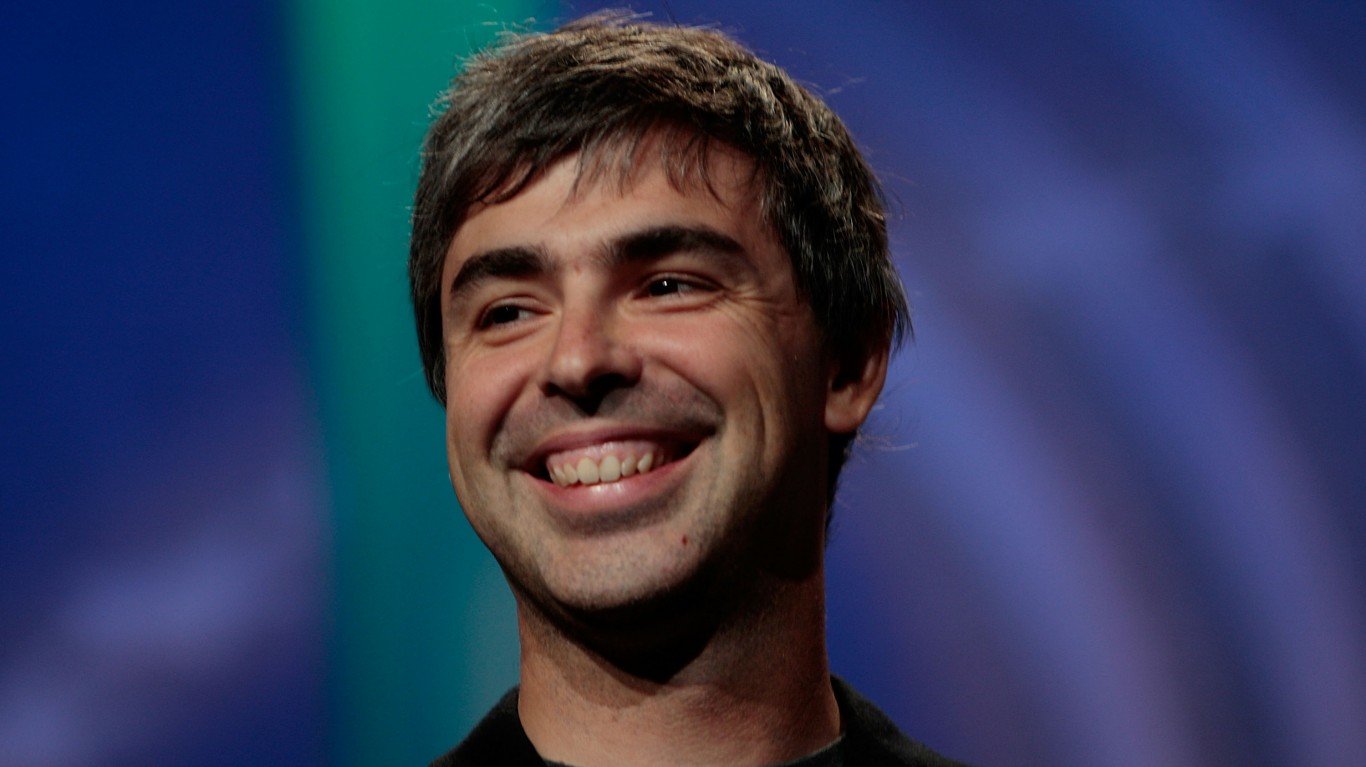
The Alphabet co-founder established primary residency in Florida by purchasing two luxury estates in Miami’s Coconut Grove for a combined $173.4 million. The first, Banyan Ridge, is a secluded 4.5-acre compound with multiple residences that sold for $101.5 million. Days later, a trust associated with Page closed on a second Coconut Grove property for $71.9 million in an off-market transaction. He also converted his family office Koop from a California-based entity to a Delaware corporation registered at a Florida address. Page and Brin’s combined departure accounted for an estimated $26.7 billion reduction in the initiative’s projected tax collections, according to the Hoover study.
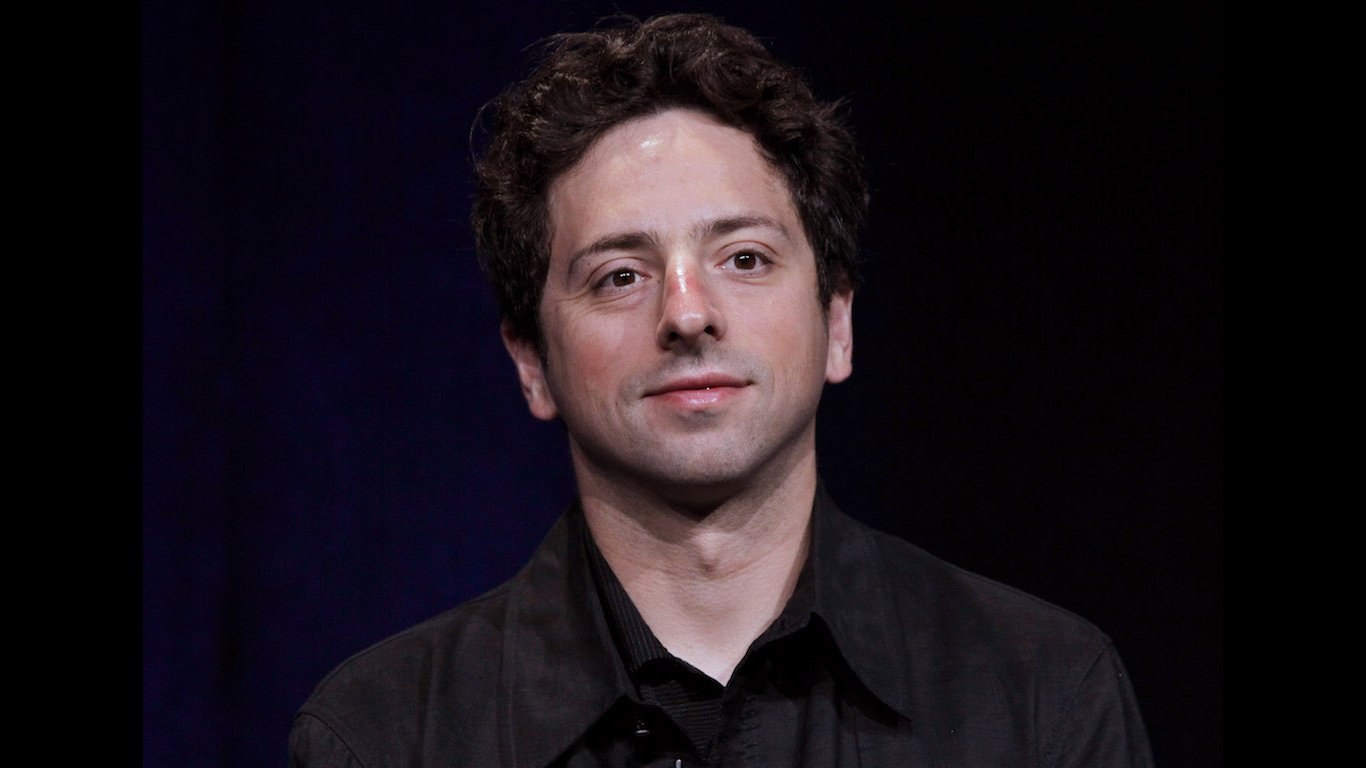
2. Sergey Brin (Florida) $253.4B
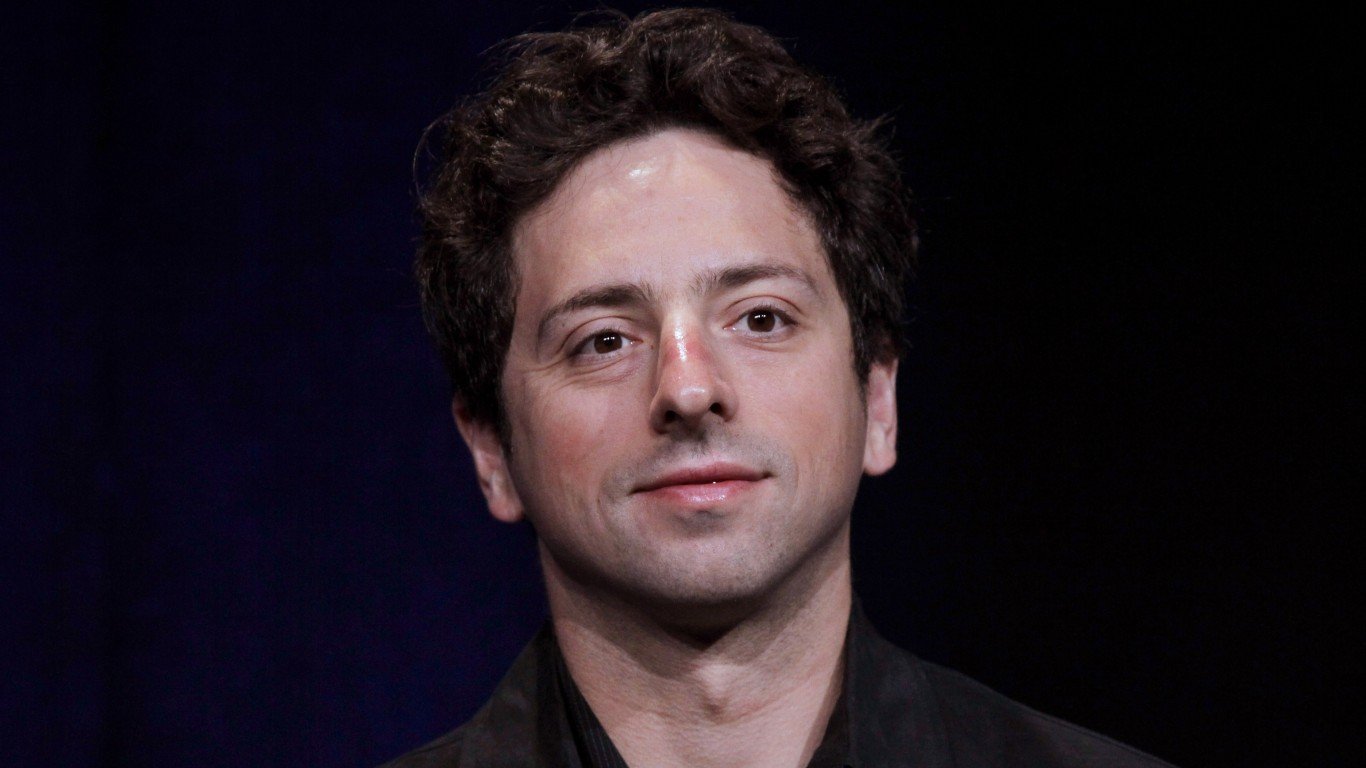
Brin acquired a $51 million waterfront mansion on Allison Island in Miami Beach, purchasing the seven-bedroom property from LVMH executive Michael Burke through a Nevada-based LLC. He also shifted Alphabet-controlled entities to Florida to sever California ties. Beyond relocating, Brin has become the most aggressive financial opponent of the measure. He co-founded Building a Better California with former Google CEO Eric Schmidt, a political organization that has raised over $229 million in total opposition funding. Brin himself has contributed $102 million to the group, making him by far its largest single donor. The organization is backing Propositions 41 and 42, two competing ballot initiatives designed to neutralize Proposition 40 if it passes: Prop 41 would bar new taxes from circumventing education spending requirements, while Prop 42 would amend the state constitution to forbid retroactive taxation, directly invalidating the wealth tax. Under California’s direct-democracy rules, whichever measure earns the most “yes” votes becomes law, even if both Prop 40 and a countermeasure pass.
3. Mark Zuckerberg (Florida) $239.0B
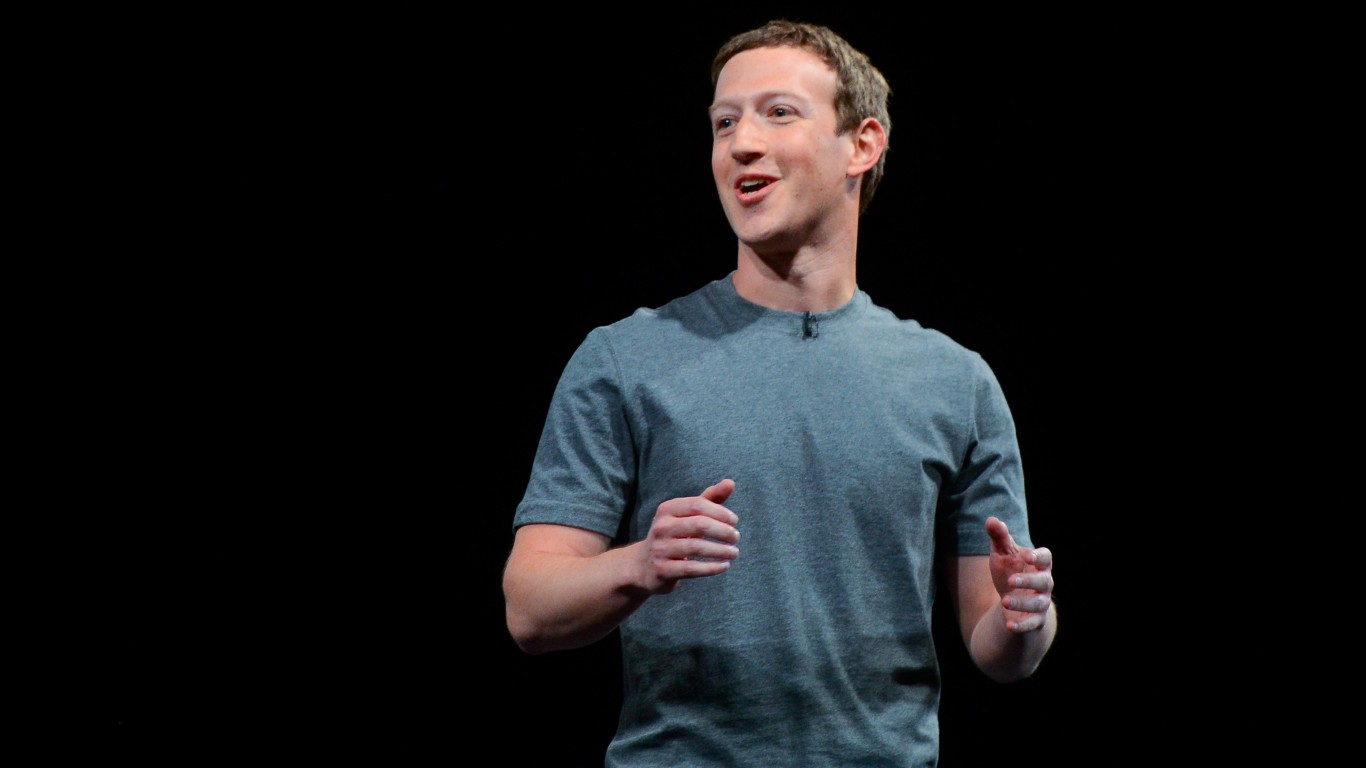
In early 2026, reports confirmed that Zuckerberg and Priscilla Chan were acquiring a $170 million estate on Miami’s Indian Creek Island. Known in luxury real estate circles as the Billionaire Bunker, the island is already home to Jeff Bezos and Carl Icahn. Combined with Brin’s Allison Island purchase, three of the world’s wealthiest people now live within roughly 20 square miles of one another in South Florida. A Meta spokesperson declined to confirm any change of primary residence, but the scale and timing of the purchase left little ambiguity about the direction of travel. Under the wealth tax, Zuckerberg would have owed approximately $12 billion on his net worth as of January 1, 2026.
4. Peter Thiel (Florida) $27.5B
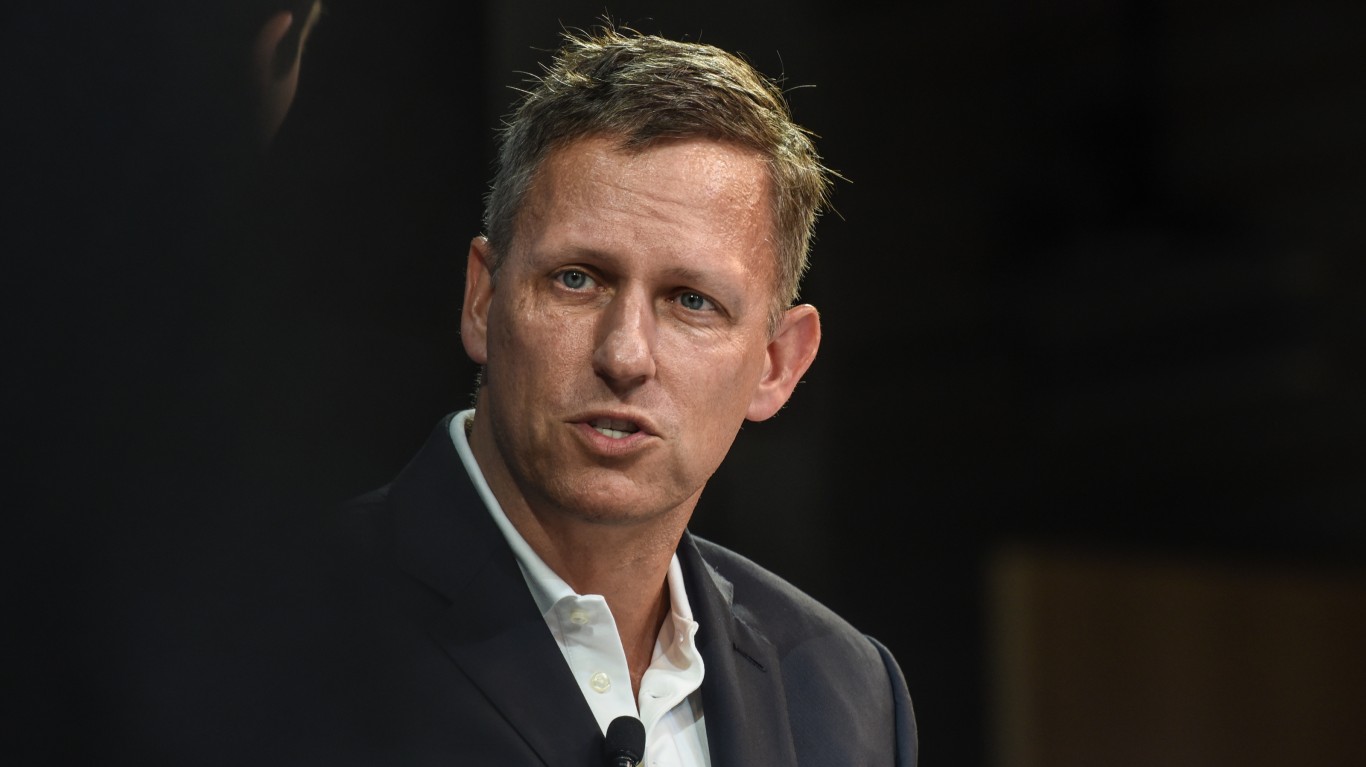
The PayPal and Palantir co-founder moved his family investment firm’s operations from California to Miami on the last day of 2025. His company remains headquartered in Los Angeles, but personal residency and family office functions shifted east. Thiel cited California’s “hostile” tax environment as the deciding factor. He also donated $3 million to the California Business Roundtable, one of several opposition groups aligned against the initiative, a contribution first reported by Fortune in late January 2026.
5. Travis Kalanick (Texas) $8.7B
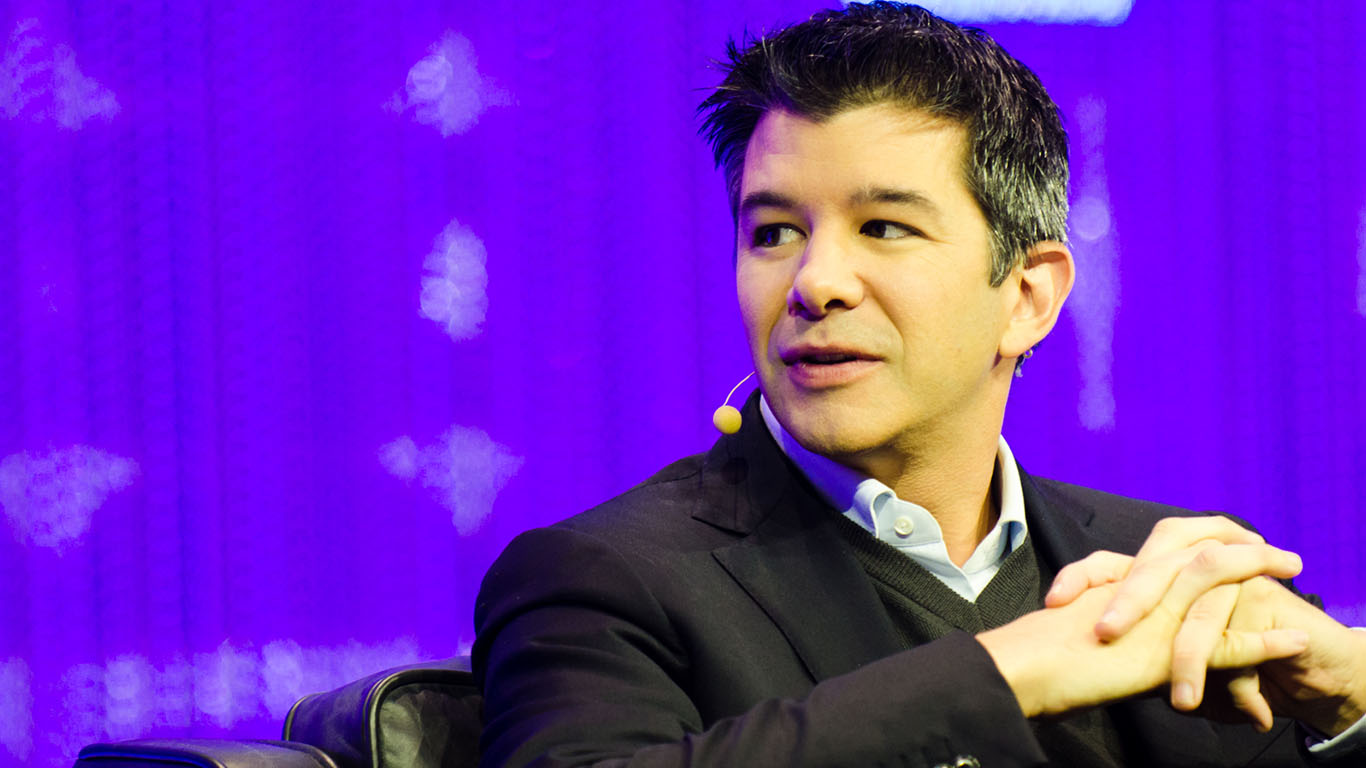
The Uber founder and current CEO of Atoms (formerly City Storage Systems) completed his move to Austin on December 18, 2025. On a subsequent podcast, he described the timing as “prior to January,” leaving no ambiguity about his motivation. Had he remained in California through the snapshot date, he would have owed between approximately $180 million and $435 million. The relocation coincided with a corporate rebrand and a strategic pivot toward industrial robotics and AI.
6. Don Hankey (Nevada) $8.2B

The Los Angeles native who built a fortune in auto lending left his Malibu estate for a $21 million penthouse in Las Vegas, saying high-net-worth individuals were no longer “wanted” in California. The move tracked a broader pattern in the luxury market. Agents in Las Vegas reported that California buyers’ share of that market jumped from roughly 25% to nearly 80% after the tax proposal was announced, a shift Forbes linked directly to the initiative.
7. Steven Spielberg (New York) $7.1B
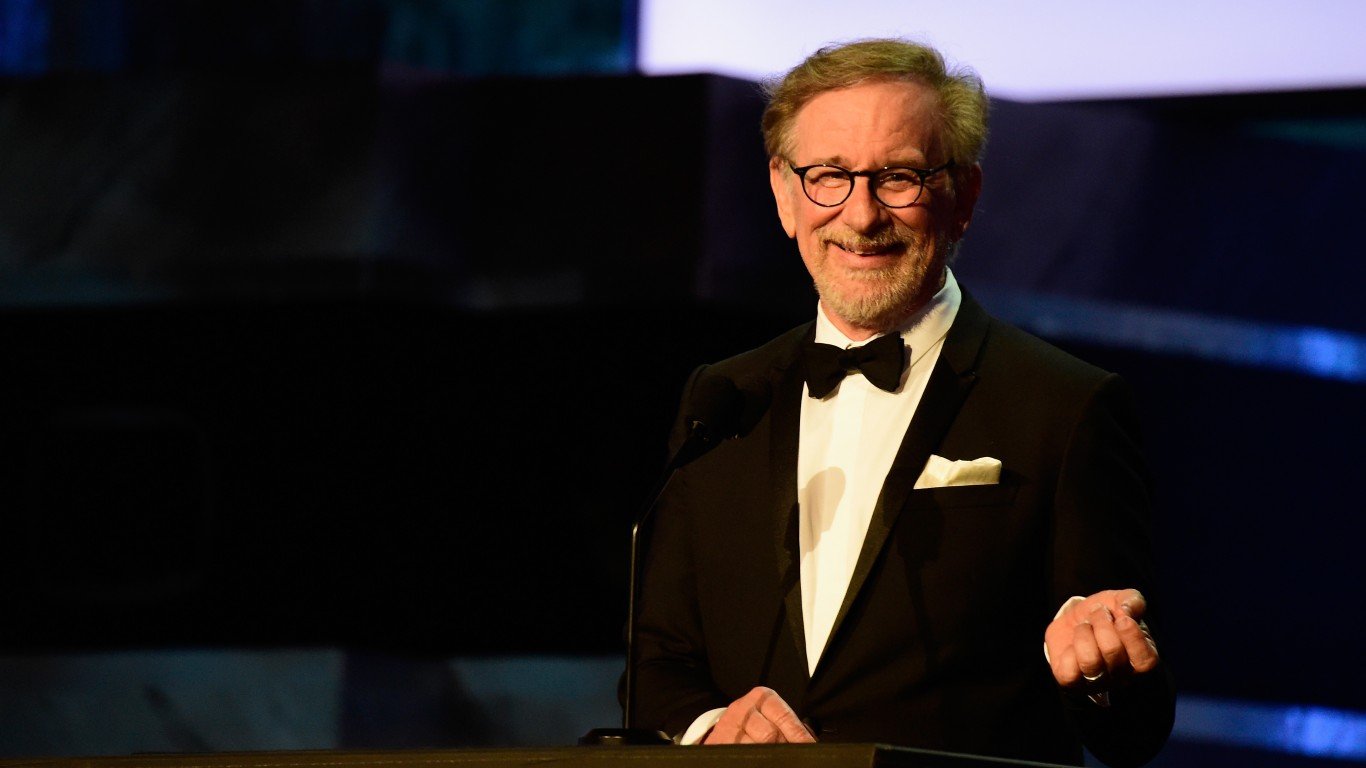
The director established new primary residency in New York City on January 1, 2026. His representatives cited a desire to be closer to family, but the timing placed him precisely on the residency snapshot date, leading fiscal analysts to include him in the tax-motivated cohort. New York carries its own high income tax rates, so the move was about severing California residency rather than seeking a low-tax haven.
8. David Sacks (Texas)
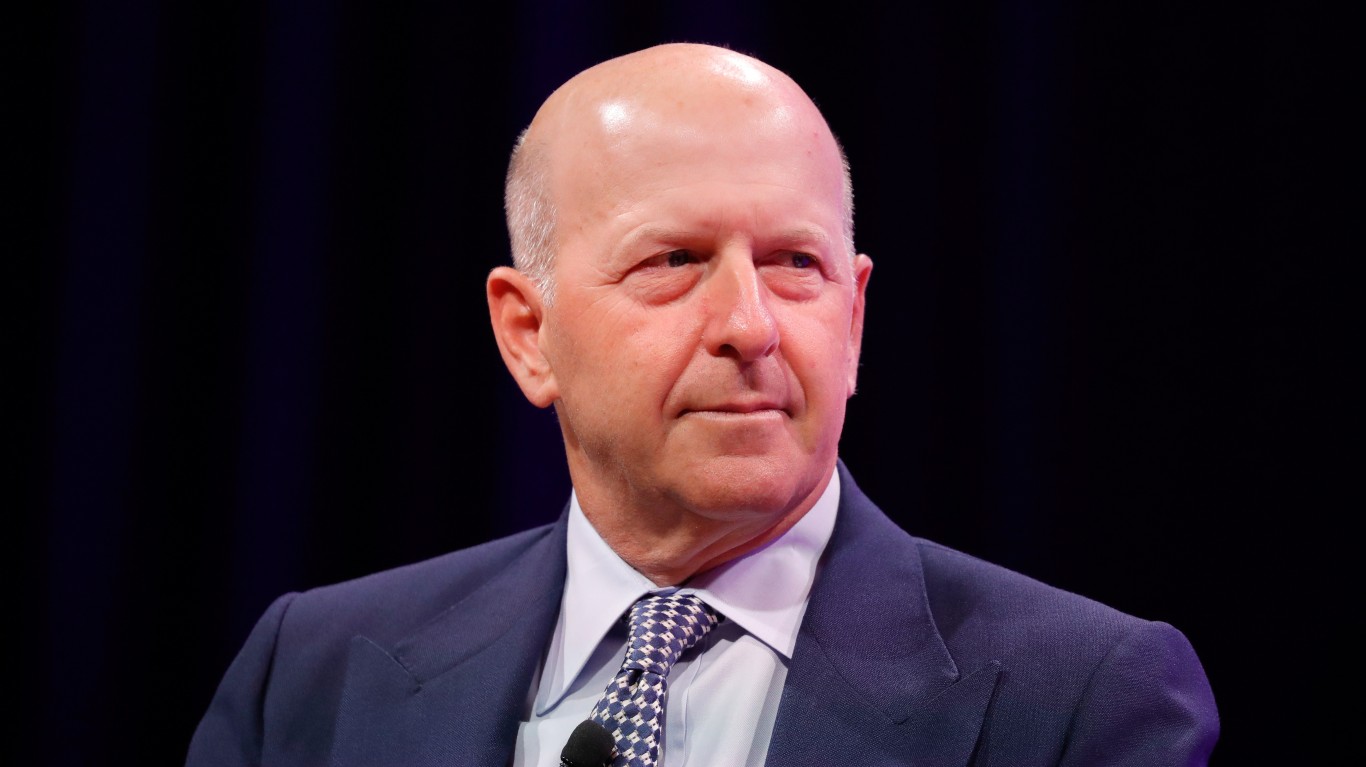
The Craft Ventures co-founder and Trump administration AI and crypto czar relocated from San Francisco’s Pacific Heights neighborhood to Austin before the January 1, 2026 snapshot date. On New Year’s Eve 2025, Craft Ventures announced it had signed a lease on a new Austin office, and the firm confirmed Sacks had moved to the area the prior month. Sacks had been among the most vocal public opponents of the initiative, posting on X that the tax would “always backfire” and urging Silicon Valley to accelerate its shift toward lower-tax states. Bloomberg identified him alongside Peter Thiel as one of two billionaires who publicly announced new office locations on New Year’s Eve as they departed California.
The Counterexample, and the Audit Risk
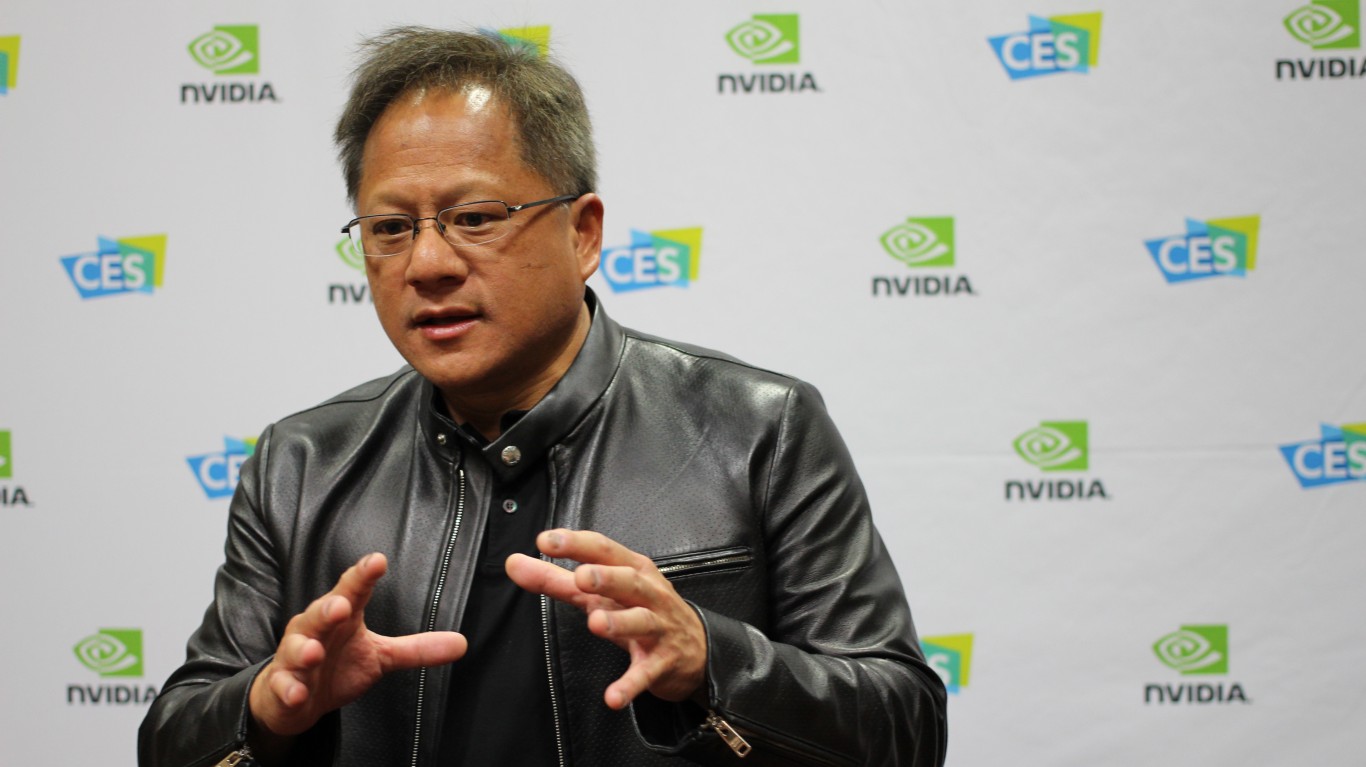
One prominent holdout refused to budge. NVIDIA (NASDAQ:NVDA | NVDA Price Prediction) CEO Jensen Huang told Bloomberg Television in January 2026 that he was “perfectly fine” with the tax, even though it would cost him approximately $8 billion. He doubled down at the Stanford Graduate School of Business in April, telling Congressman Ro Khanna: “I say to everybody, ‘Move to California, don’t leave.’ It’s the highest taxes in the world, but it’s okay.” His reasoning centers on workforce access: NVIDIA operates in Silicon Valley because that is where the talent is concentrated, and for Huang, no tax bill changes that calculus.
Governor Gavin Newsom has also opposed the state measure, calling the proposal something that “makes no sense” and is “really damaging to the state.” A day after the initiative was certified for the ballot, SEIU-UHW sent Newsom a letter offering to withdraw the 5% wealth tax if he would instead support a smaller 2% levy passed through the state legislature. Newsom quickly rejected the compromise, negotiations stalled before the June 25 withdrawal deadline, and the measure remained on the November ballot. Yet in late June 2026, Newsom proposed a federal billionaires’ tax of his own, targeting anyone with a net worth above $100 million, a posture that drew criticism from both sides of the wealth-tax debate.
Those who left may still face a fight. The California Franchise Tax Board’s “close connection” residency audits scrutinize physical presence, retained business interests, and family ties to challenge domicile claims. The FTB completed 520 residency audits in 2023, more than double its 2019 pace. Constitutional questions also loom: because the tax applies retroactively to anyone who was a California resident as of January 1, 2026, legal challenges are widely expected if the measure passes. In May 2026, the editorial board of The Washington Post called the initiative “self-destructive,” concluding it had already cost the state more in lost future revenue than it would raise. By June 2026, reporting revealed that dozens of wealthy Californians opposed to the tax had organized through private Signal group chats, coordinating strategy ahead of the November vote. Meanwhile, billionaires backing the opposition prepared an $87 million advertising campaign to defeat Proposition 40 at the polls.
Editor’s note: This revision adds David Sacks (Texas) as the eighth billionaire who departed California before the January 1, 2026 residency snapshot, corrects the polling figure to 48% yes vs. 38% no based on a September 2026 NBCUniversal/Telemundo poll, and updates Sergey Brin’s contributions to Building a Better California to $102 million with the group’s total fundraising raised to over $229 million, reflecting reporting from the San Francisco Chronicle and Wikipedia’s campaign finance section.
Contact [email protected] for any questions or corrections.
Don Lair writes about options income, dividend strategy, and the kind of boring-but-durable investing that actually funds retirement. He's the founder of FITools.com, an independent contributor to 24/7 Wall St., and a former writer for The Motley Fool.