California’s Billionaire Tax Is Officially on the Ballot. Here’s How Much of the National Debt 100% of Every American Billionaire’s Wealth Would Actually Cover.
California just certified the country's first statewide billionaire wealth tax for the 2026 ballot, and the fight over Proposition 40 has already cost opponents more than $107 million and sent some billionaires fleeing the state. But the real question lurking…

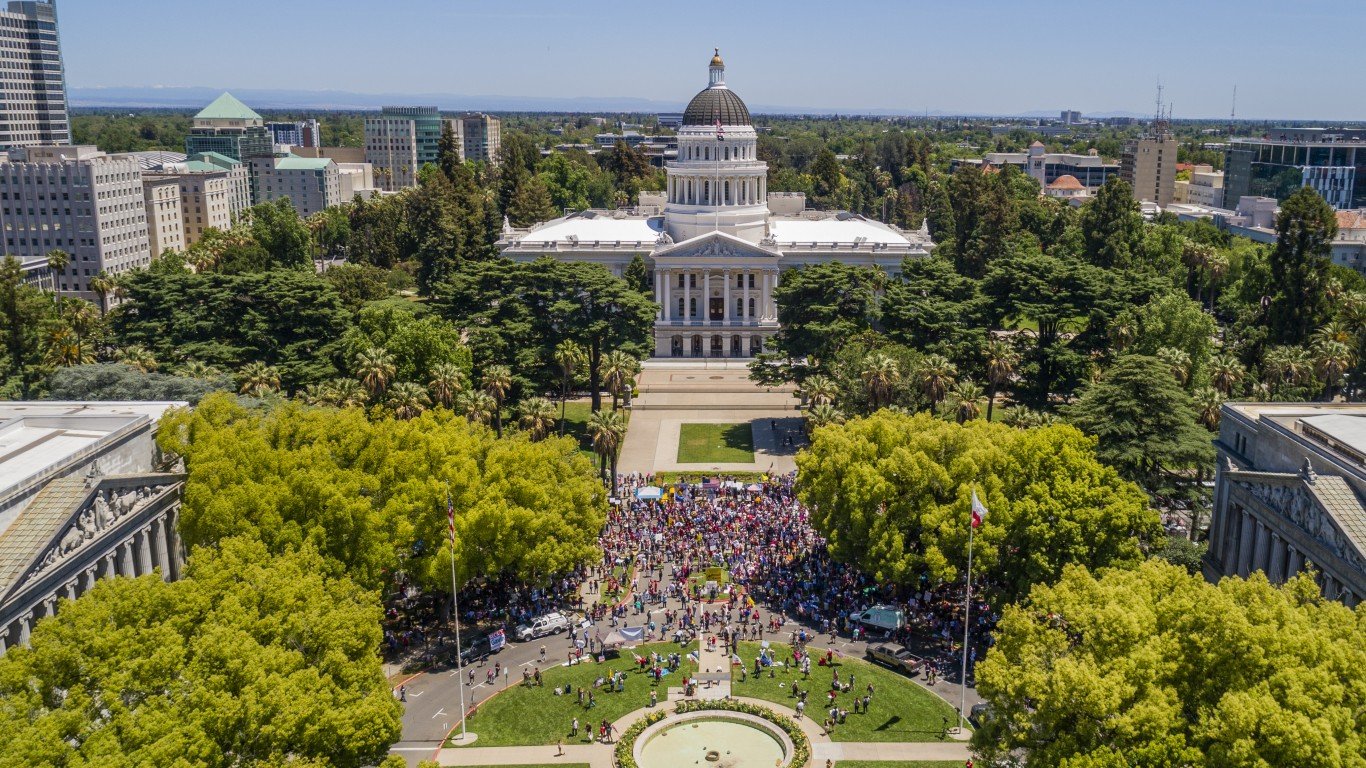
California’s Secretary of State certified the 2026 Billionaire Tax Act for the November 3, 2026 ballot on June 25, 2026, teeing up the country’s first statewide referendum on a one-time wealth levy. Proposition 40 would tax roughly 200 California residents whose net worth topped $1 billion on January 1, 2026. It has revived a much bigger question: how much of the national debt would 100% of every American billionaire’s wealth actually cover?
What Proposition 40 Actually Does
Proposition 40 imposes a one-time 5% tax on the net worth above $1 billion of Californians who were state residents on January 1 payable in installments over five years. Proponents estimate it raises roughly $100 billion for California, with 90% flowing to a Billionaire Tax Health Account and 10% to education and food assistance. The legislature could direct up to $25 billion a year into Medi-Cal and CalFresh. It needs a simple majority to pass.
The bill responds to federal Medicaid reductions in the 2025 “One Big Beautiful Bill Act,”, which California’s Department of Health Care Services projects could cost the state $30 billion annually. Roughly 14 million Californians rely on Medi-Cal.
The Hypothetical Question
What if the federal government seized 100% of every American billionaire’s wealth and applied it to the national debt? Proposition 40 does nothing of the kind. It touches roughly 200 Californians and stays inside California. The federal thought experiment serves as a yardstick for how concentrated wealth stacks up against sovereign obligations.
The Numbers
According to the Forbes 2026 World’s Billionaires List, published March 10, 2026 and based on March 1 market data, the United States is home to 989 billionaires with a combined net worth of $8.4 trillion, about 42% of the $20.1 trillion held by all 3,428 billionaires worldwide.
Against the gross national debt of roughly $39.9 trillion in early August 2026, that $8.4 trillion covers about 21%. Measured against the narrower debt held by the public, around $31.3 trillion in mid-2026 (which excludes money the government owes itself), it covers roughly 27%. Total confiscation of every American billionaire fortune retires only a fraction of what Washington owes.
Why It Wouldn’t Work
Most billionaire wealth is illiquid, held in company stock, private equity, and real estate. You cannot apply $8.4 trillion in paper net worth to the debt. Liquidating that much stock simultaneously would collapse the share prices used to calculate the wealth in the first place. Consider DoorDash (NASDAQ:DASH | DASH Price Prediction) co-founder Tony Xu, who holds 57.6% of the company’s voting rights but only 2.6% of actual equity. Under Proposition 40’s rules, his liability would be calculated as if he owned 57.6% of DoorDash’s $2.41 billion market value, producing a $2.62 billion bill, more than the total value of shares he actually owns. With capital gains taxes from a forced sale, total liability reaches an estimated 173% of the asset’s value.
Who’s Fighting Over It
Backers include SEIU-United Healthcare Workers West, which has spent more than $31 million, alongside Bernie Sanders, Robert Reich, and the Teamsters. “We are facing literally a collapse of our healthcare system here in California and elsewhere,” SEIU-UHW president Dave Regan said. Opposition, led by Governor Gavin Newsom and tech donors including Sergey Brin ($82 million spent opposing), Eric Schmidt, and John Doerr, has topped $107.9 million as of June 15, 2026. Brin has reportedly relocated out of California. Peter Thiel moved his family investment firm’s operations to Miami in late December 2025; David Sacks opened a Craft Ventures satellite office in Austin before the January 1 deadline. Because the tax reaches residents as of that date even if they have since left, a retroactivity challenge is expected.
The Bottom Line
Total confiscation of every American billionaire’s paper wealth would leave roughly four-fifths of the gross federal debt outstanding. Proposition 40 is a narrower reality: a one-state health-funding play worth about $100 billion if it survives the ballot, courts, and departures reshaping its tax base. Watch whether the competing measure banning new personal property taxes qualifies alongside it, and how the California Supreme Court treats the January 1 snapshot when the inevitable lawsuit lands.
Contact [email protected] for any questions or corrections.
AJ spent 10 years writing about financial markets at The Motley Fool. His coverage centers on technology stocks and the broader macroeconomic trends, from interest rates to geopolitics, that shape where markets are headed next. AJ is drawn to the stories where big-picture economics and individual companies collide.