President Trump Wants to Suspend the Federal Gas Tax. Here’s Why Consumers May Still Feel Squeezed
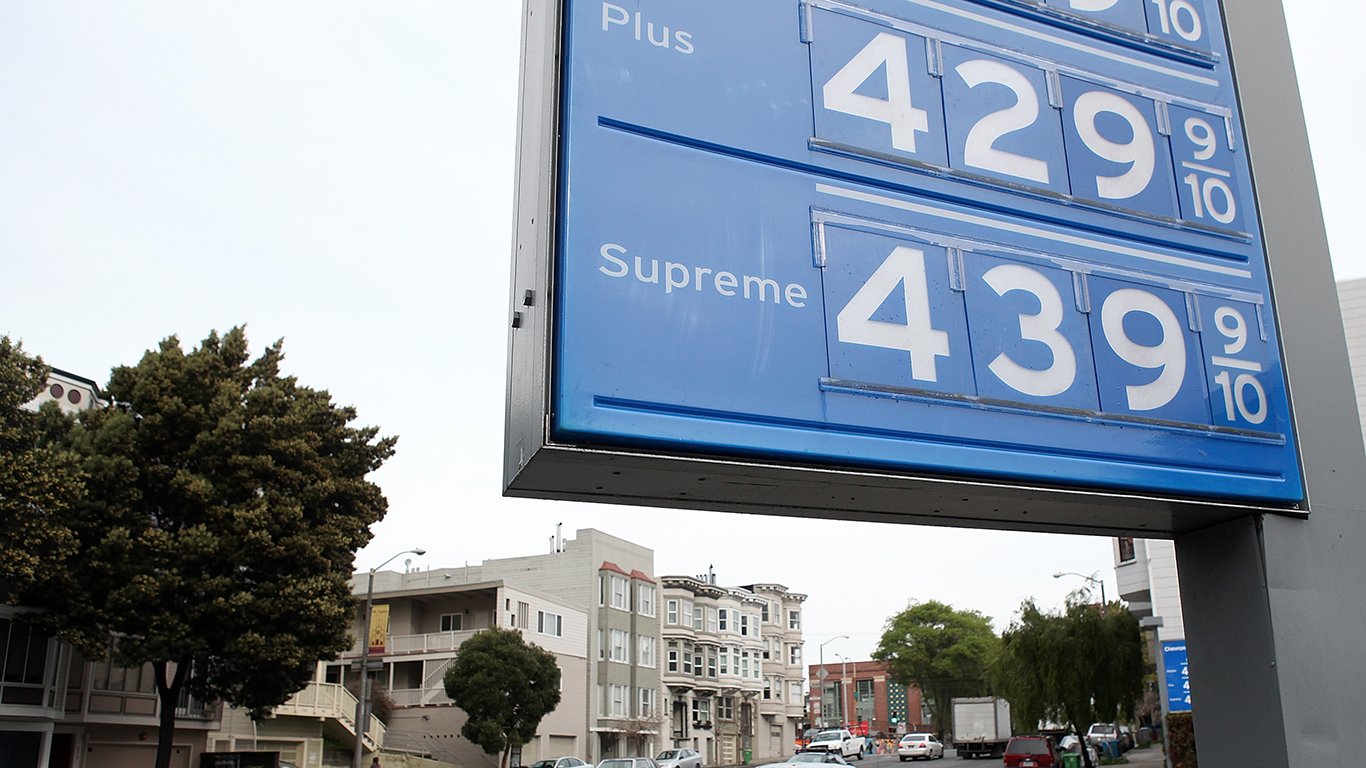
The stock market may be hovering near record highs, but Main Street is telling a different story. Consumers are paying $4.52 a gallon for gasoline nationally, while diesel prices have climbed to $5.64 a gallon nationwide and above $6 in…

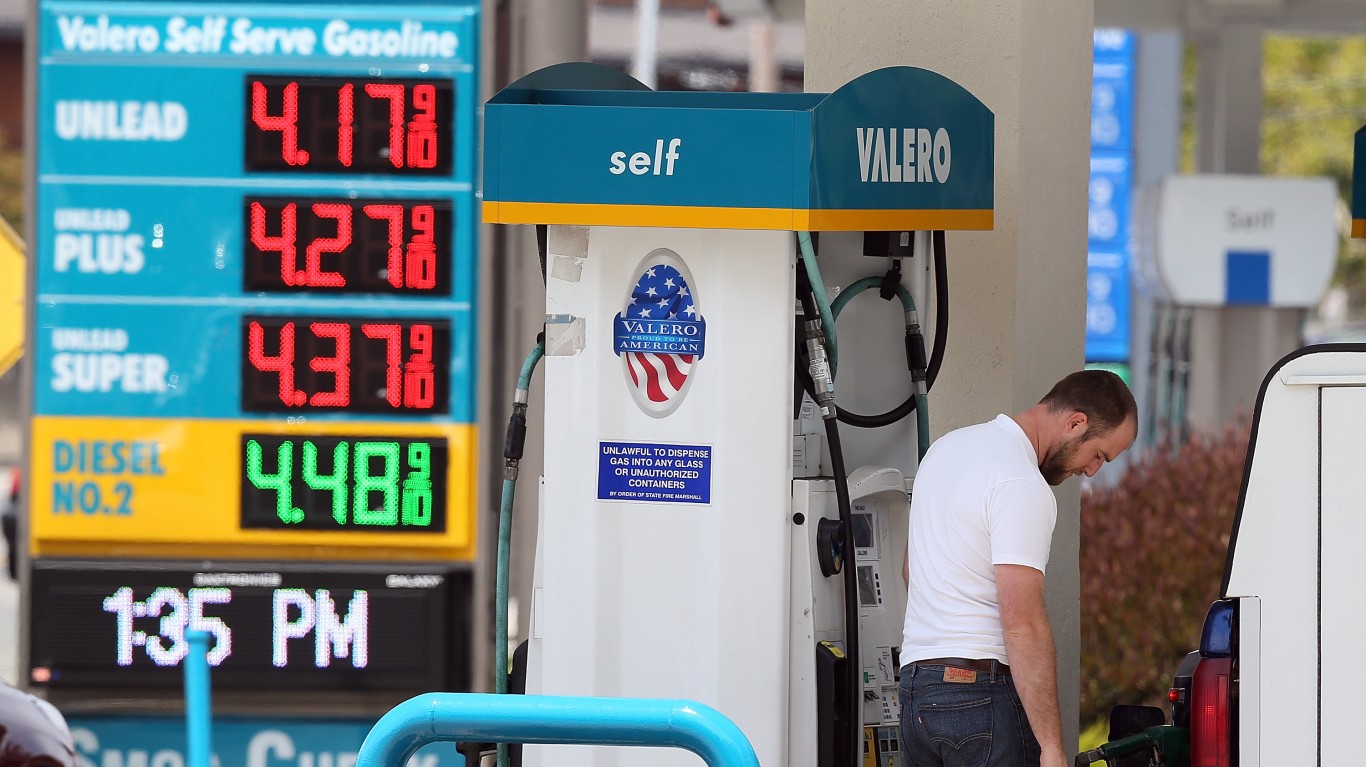
The stock market may be hovering near record highs, but Main Street is telling a different story. Consumers are paying $4.52 a gallon for gasoline nationally, while diesel prices have climbed to $5.64 a gallon nationwide and above $6 in some regions. At the same time, food inflation remains stubborn because trucking costs ripple through nearly every aisle in the grocery store.
So when President Donald Trump proposed suspending the federal gas tax until prices cool off, it immediately grabbed attention. But would shaving $0.18 off a gallon of gas really move the needle for consumers — or the broader economy?
The Math Behind a Federal Gas Tax Holiday
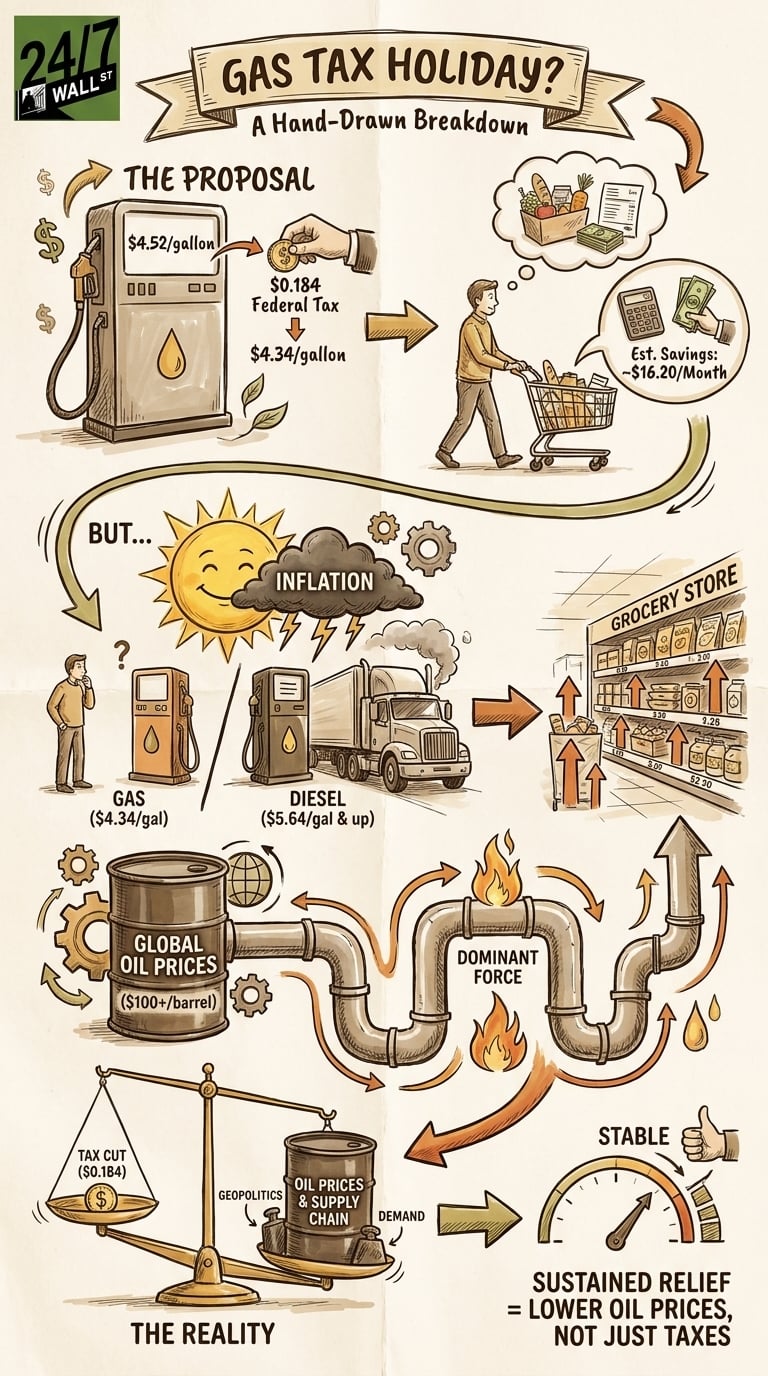
Trump’s proposal targets the federal gasoline tax, which currently sits at $0.184 per gallon. The idea is simple: temporarily remove the tax while energy prices remain elevated, then phase it back in once markets stabilize.
On paper, cheaper gas sounds like an easy political and economic win. If the national average price falls from $4.52 to $4.34 a gallon, drivers would save money every time they fill up.
For a household using 90 gallons of gasoline per month, that works out to savings of roughly:
- $16.20 per month
- $194 annually
That is real money, particularly for middle-income families already squeezed by higher food, insurance, and housing costs. Businesses with large vehicle fleets would also benefit. Delivery companies, contractors, and rideshare drivers all see fuel expenses cut immediately.
Let’s put that in perspective, though. AAA says gasoline averaged $4.13 a gallon just one month ago. Consumers were hardly celebrating then either. Regardless of how you look at it, even after a tax suspension, Americans would still be paying more for gas than they were just weeks ago.
That’s the challenge with temporary tax relief during an energy shock — it softens the blow, but it does not remove the underlying problem.
Oil Prices Are the Real Story
The bigger issue is crude oil itself. Analysts at JPMorgan Chase recently forecast Brent crude oil prices remaining above $100 per barrel through 2026 as geopolitical tensions and supply disruptions continue pressuring global energy markets.
So, no matter what Washington does with taxes, energy prices are going to remain elevated.
Historically, every $10 increase in crude oil prices adds roughly $0.25 per gallon to gasoline prices, according to data from the U.S. Energy Information Administration. If Brent crude remains above $100, refiners and consumers alike will continue facing pressure.
Surprisingly, diesel may matter even more to the economy than regular gasoline.
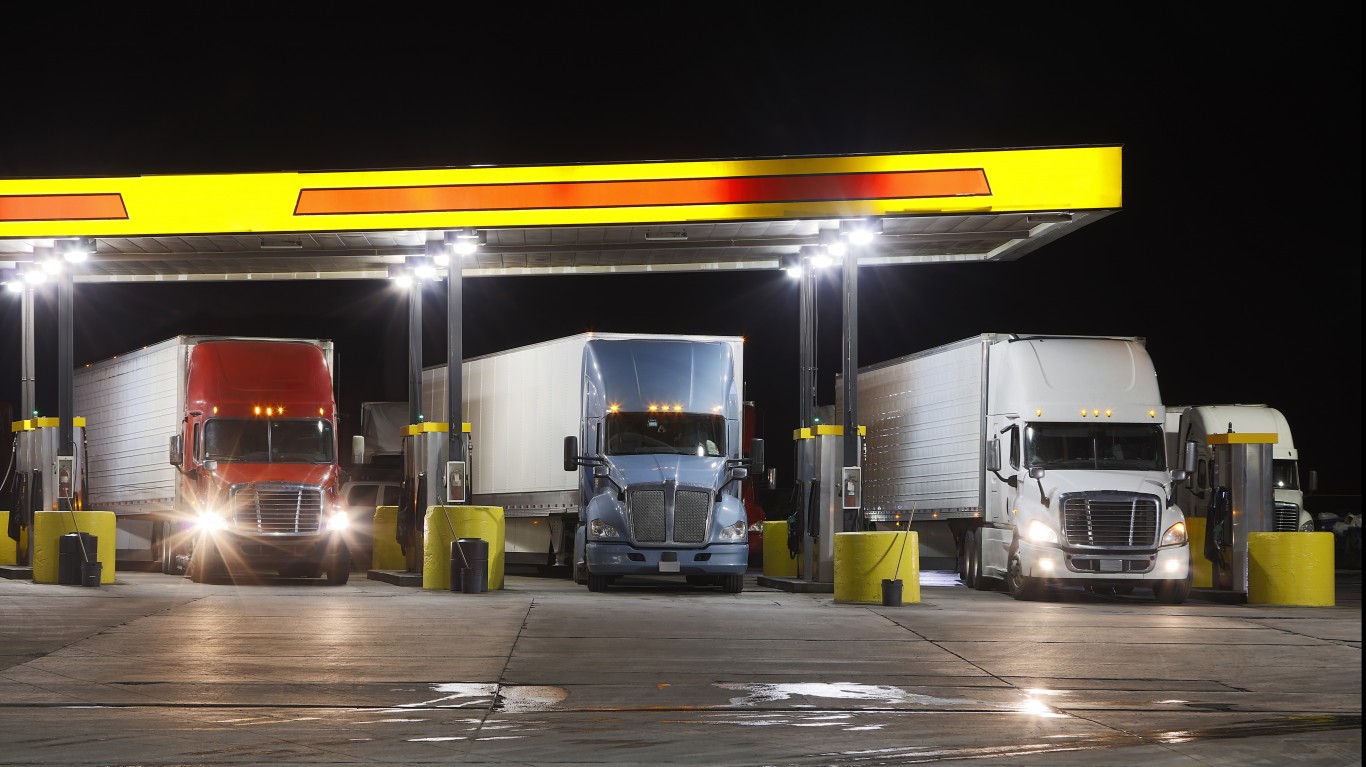
While Trump’s proposal focuses on the federal gas tax, diesel fuel carries a separate federal tax of $0.244 per gallon. Diesel already averages $5.64 nationally and tops $6 in some states. Since nearly every product in the economy spends time on a truck, rail line, or cargo ship powered by diesel, elevated fuel costs keep feeding inflation.
Consider how quickly those costs stack up:
| Fuel Type | National Average Price | Federal Tax |
| Gasoline | $4.52/gallon | $0.184 |
| Diesel | $5.64/gallon | $0.244 |
A truck hauling groceries across the country cannot meaningfully lower transportation costs if diesel remains near record highs. That means consumers could still face rising food prices even if gasoline falls modestly.
Granted, a gas tax suspension could improve consumer sentiment. Psychology matters in economics. Lower prices on gas station signs are highly visible and can influence spending behavior. But sentiment and structural relief are not the same thing.
Would Suspending the Tax Help the Economy?
The answer is yes — but probably not as much as many consumers hope.
According to the Congressional Budget Office, Americans consume roughly 370 million gallons of gasoline daily. Eliminating the federal gas tax would redirect billions of dollars back into consumer pockets over time. Some of that money would flow into restaurants, retail spending, and travel.
That said, there are tradeoffs. The federal gas tax helps fund highway and infrastructure spending through the Highway Trust Fund. Suspending it would either widen the federal deficit or require Congress to backfill the lost revenue elsewhere.
In any case, the proposal does not address the supply side of the energy equation. If crude oil prices stay elevated because of geopolitical instability or reduced production, lower taxes merely cushion consumers from part of the increase.
Key Takeaway
Trump’s proposed gas tax suspension would help — just not enough to transform the economy. Saving $0.18 a gallon offers consumers modest relief, especially for commuters and businesses operating vehicle fleets. But when gasoline still costs $4.34 a gallon after the tax cut and diesel remains above $5.64, inflationary pressures do not disappear.
When all is said and done, oil prices — not taxes — remain the dominant force driving energy costs. Sharp investors should watch crude markets, refinery capacity, and diesel prices more closely than the political headlines. Sustained economic relief will likely require lower global oil prices, not simply smaller taxes at the pump.
Contact [email protected] for any questions or corrections.
After two decades of patrolling the dark corners of suburbia as a police officer, Rich Duprey hung up his badge and gun to begin writing full time about stocks and investing. For the past 20 years, he’s been cruising the markets looking for companies to lock up as long-term holdings in a portfolio while writing extensively on the broad sectors of consumer goods, technology, and industrials. Because his experience isn’t from the typical financial analyst track, Rich is able to break down complex topics into understandable and useful action points for the average investor. His writings have appeared on The Motley Fool, InvestorPlace, Yahoo! Finance, Money Morning, and, of course, 24/7 Wall St. He has been featured in both U.S. and international publications, including MarketWatch, Financial Times, Forbes, Fast Company, and USA Today.