NDIV converts commodity volatility into monthly cash with 34% year-to-date gain
The Amplify Energy & Natural Resources Covered Call ETF (NYSEARCA:NDIV) sells call options against a basket of energy and natural resources equities to convert commodity volatility into monthly cash distributions. Investors hold NDIV for the income, but covered-call funds live…


The Amplify Energy & Natural Resources Covered Call ETF (NYSEARCA:NDIV) sells call options against a basket of energy and natural resources equities to convert commodity volatility into monthly cash distributions. Investors hold NDIV for the income, but covered-call funds live and die by two things: the dividends and option premiums coming in, and whether NAV holds up underneath. NDIV closed at around $35, after a 34% year-to-date gain, so the distribution story is currently being underwritten by one of the strongest commodity tapes in years.
How NDIV Turns Commodities Into Cash
The fund collects two income streams. The first is the underlying dividends paid by gold miners, oil and gas producers, and midstream operators it owns. The second comes from writing call options on those positions, which generates premium upfront in exchange for capping upside if the stocks rally past the strike. When volatility is elevated, premiums fatten. When prices rip higher, the calls get exercised and NDIV gives up the gains above the strike.
The CBOE Volatility Index sits at 17.39, down 28% over the past month from a March spike to 31.05. Premium income is moderating from earlier-2026 highs, though sector-specific volatility in energy names remains elevated.
The Dividend Engine Inside the Fund
Start with the gold miners. Agnico Eagle Mines (NYSE:AEM | AEM Price Prediction) raised its quarterly payout to $0.45 per share for June 2026, a 13% increase after holding $0.40 for four years. With trailing EPS of $10.63 against $1.65 in annual dividends, the payout consumes a fraction of earnings. Q1 free cash flow of $732 million and a $2.92 billion net cash position mean the dividend is among the safest in the holdings list.
Alamos Gold (NYSE:AGI) lifted its quarterly dividend to $0.04 from $0.025, a 60% bump backed by Q1 adjusted earnings of $232 million versus $59.8 million a year earlier. The yield is small, roughly 0.3%, so AGI contributes more to NDIV through option premium and price appreciation than dividend cash.
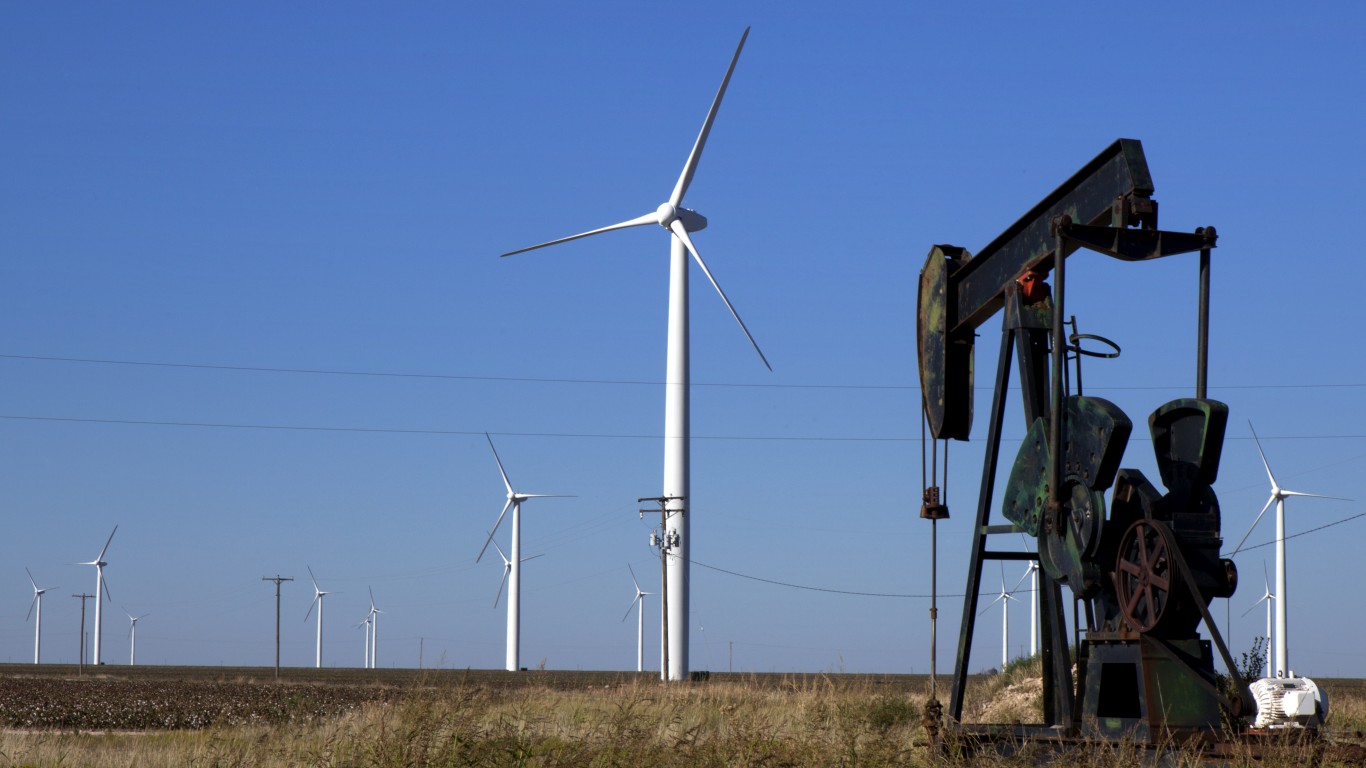
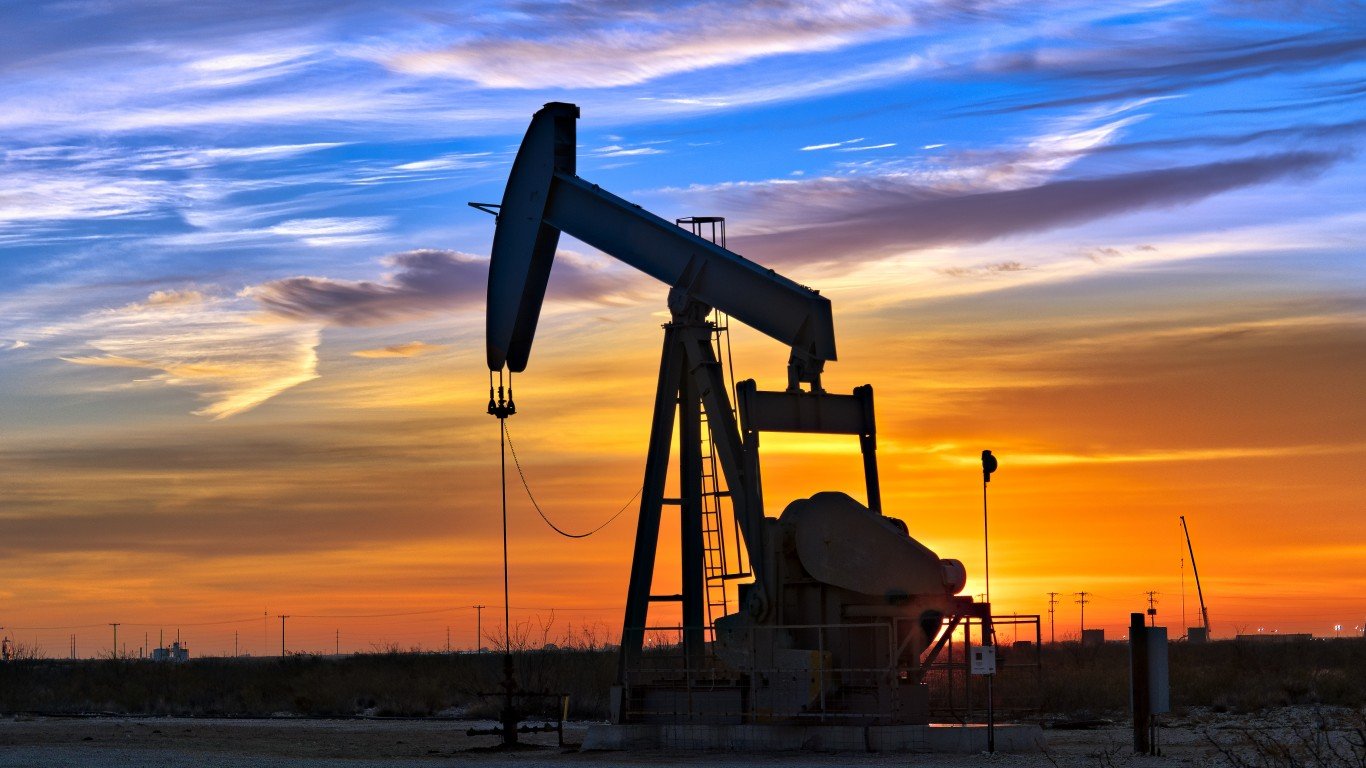
The energy side is where sustainability questions sharpen. Chord Energy (NASDAQ:CHRD) has paid a $1.30 base quarterly dividend for five straight quarters. The company guides to roughly $1.4 billion in 2026 adjusted free cash flow at $80 WTI. With WTI at around $110, coverage is comfortable. The risk is mechanical: oil sat at around $55 in mid-December 2025, and Chord historically slashed special dividends fast when prices fell. The base looks defensible, but anyone counting on prior-year totals should anchor expectations to the $1.30 floor.
Antero Midstream (NYSE:AM) yields 4.1% and has held its $0.225 quarterly distribution since 2021. Q1 adjusted EBITDA rose 5%, and 2026 guidance points to $330 to $390 million in free cash flow after dividends. The HG Energy acquisition pushed leverage near 3x, but coverage is solid.
Total Return Versus the Yield
NDIV is up 45% over the trailing year, a rare result for a covered-call fund and a sign the calls have not capped all the upside in this commodity rally. Underlying winners outran NDIV: AEM gained 62%, CHRD 61%, and AGI 57%. That gap is the cost of the income overlay.
The Verdict
NDIV’s distribution looks well supported today. Gold producers are flush, midstream cash flow is contracted, and Chord’s base dividend clears coverage at current oil. The real risks are cyclical: a drop in WTI toward $60, a fade in gold, and a VIX retreat below 15 would all compress income simultaneously. Investors who want exposure to energy and resources with a richer income stream than the underlyings provide can rely on NDIV’s distribution in this environment, provided they accept that NAV will track commodities downward when the cycle turns.
Contact [email protected] for any questions or corrections.
After 15 years on Wall Street with 7 of them as Director of Corporate and Municipal Bond Trading for a NYSE member firm, I started my own project and corporate finance consultancy. Much of the work involves writing business plans, presentations, white papers and marketing materials for companies seeking budgetary allocations for spinoffs and new initiatives or for raising capital for expansion or startup companies and entrepreneurs. On financial topics, I have been published under my own byline at The Motley Fool, 247wallst.com, DealFlow Events’ Healthcare Services Investment Newsletter and The Microcap Newsletter, among others. Additionally, I have done freelance ghostwriting writing and editing for several financial websites, such as Seeking Alpha and Shmoop Financial. I have also written and been published on a variety of other topics from music, audiophile sound and film to musical instrument history, martial arts, and current events. Publications include Copper Magazine, Fidelity (Germany), Blasting News, Inside Kung-Fu, and other periodicals.