Why NDIV’s 5% yield may not survive the VIX’s recent collapse
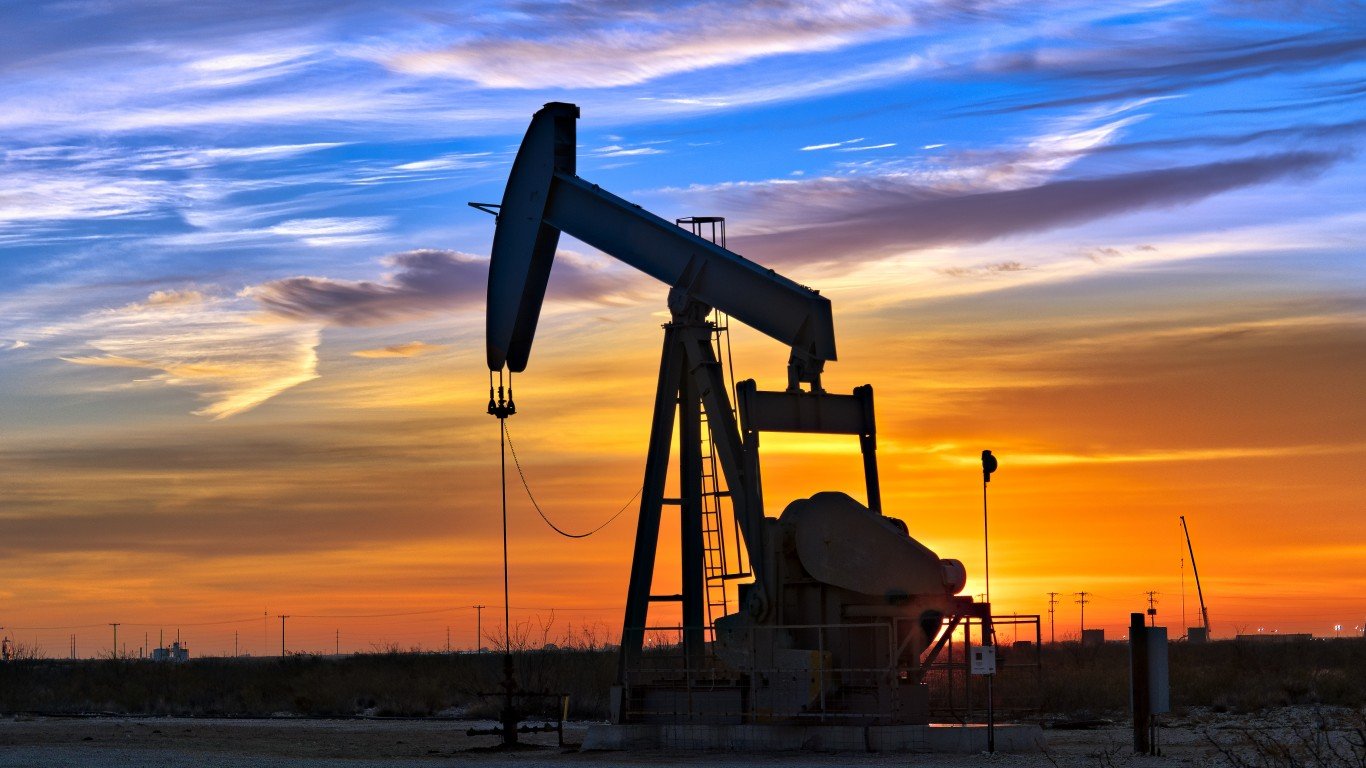
The Amplify Energy & Natural Resources Covered Call ETF (NYSEARCA:NDIV) offers energy investors a steady monthly paycheck backed by oil wells, pipelines, and chemical plants, with option premium income layered on top. The fund targets 10% or greater total annualized…

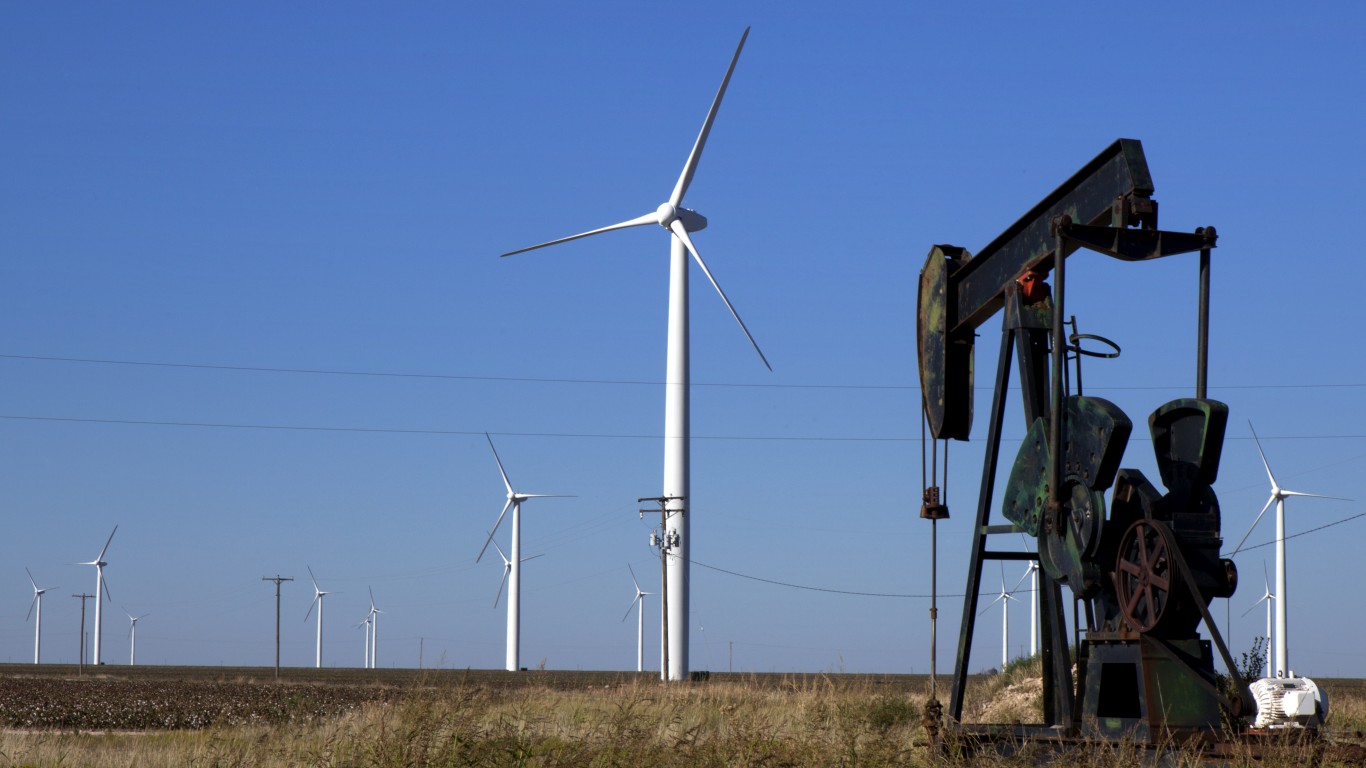
The Amplify Energy & Natural Resources Covered Call ETF (NYSEARCA:NDIV) offers energy investors a steady monthly paycheck backed by oil wells, pipelines, and chemical plants, with option premium income layered on top. The fund targets 10% or greater total annualized income by pairing high-dividend energy equities with a covered call strategy. With a reported yield near 5%, a portfolio concentrated in cyclical commodities, and the VIX recently normalized, the real question is whether that income stream is as durable as it looks.
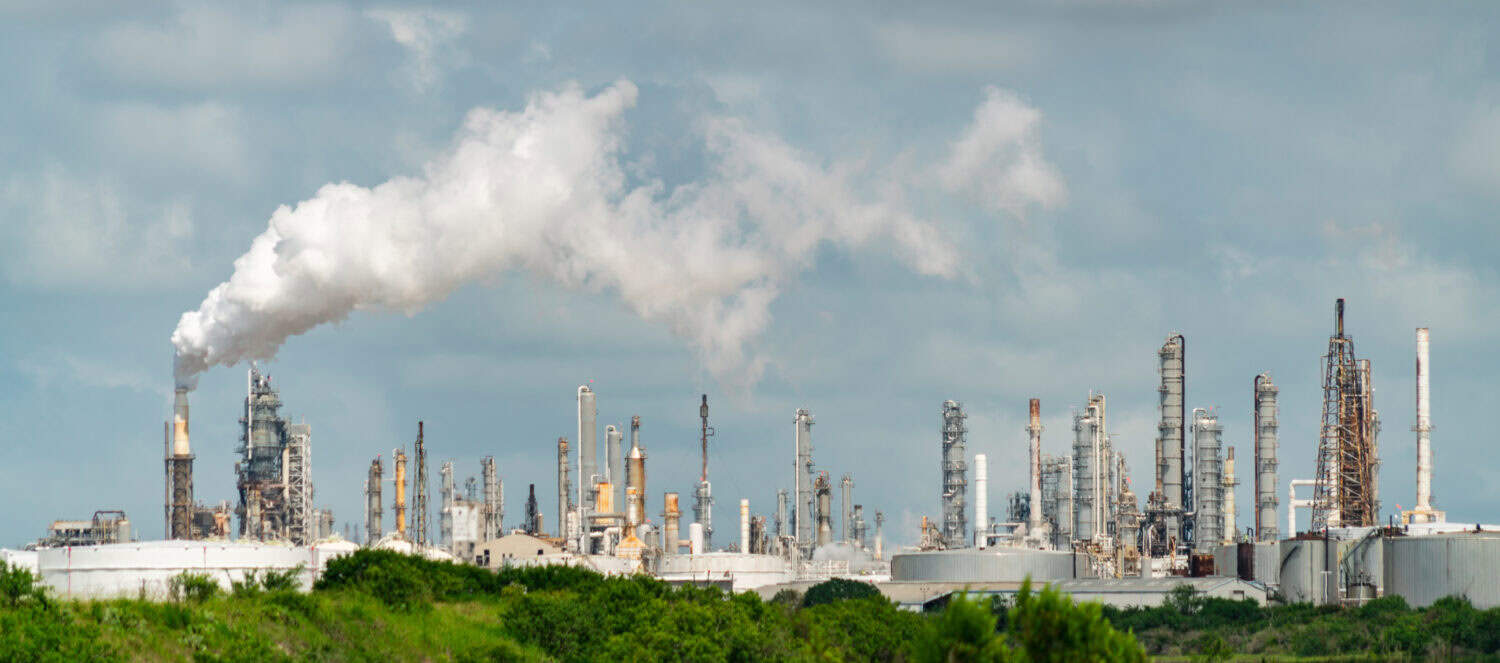
Dividends Plus Options: How NDIV Stacks Its Income
NDIV generates income from two sources. The first is straightforward: the fund holds energy and natural resources companies that pay dividends. Oil, gas, and consumable fuels make up 65% of the portfolio, chemicals account for roughly 22%, and energy equipment and services fill the remaining 13%. Many holdings are Master Limited Partnerships (MLPs), structures legally required to distribute most cash flow to investors.
The second engine is the covered call strategy. The fund sells call options on its holdings, collecting upfront premiums. Think of it as renting out the upside on stocks you already own. The rent comes in immediately, but if the stock rallies past the agreed price, the fund hands over the gains. The fund tracks the VettaFi Energy and Natural Resources Covered Call Index and has been running this strategy since August 2022.
The portfolio data confirms active deployment. Short call positions are currently open across more than 20 holdings, with strikes expiring April 17, 2026, meaning the fund is rolling or expiring its entire options book.
The Volatility Problem
Covered call premiums rise and fall with market volatility. When fear spikes, options become more expensive and the fund collects more income. When calm returns, premiums shrink. The VIX reached 31.05 on March 27, 2026, then collapsed to 18.36 by April 14, a sharp drop in under three weeks. That spike almost certainly generated elevated premiums for March distributions, which showed up as the fund’s highest monthly payment in recent history.
The dividend history confirms this pattern. The March 2026 payment of $0.30 per share was nearly double the $0.17 average seen throughout most of 2024 and 2025. With the VIX now normalized at 18.36, forward premiums will likely compress. The 12-month average VIX was 18.78, and the fund is operating in a near-average volatility environment. The more representative run rate is closer to the $1.52 in total distributions paid across all of 2025, compared to $1.63 paid in 2024. The trend suggests the fund’s normalized income is drifting lower as volatility recedes.
The Underlying Dividends: Petrobras Strong, Chemicals Struggling
The fund’s largest position is Petrobras at roughly 6.5% of the portfolio. Petrobras has been a strong performer. Shares have nearly doubled over the past year, rising about 96%. The company’s full-year 2025 net income attributable to shareholders reached $19.6 billion, and its shareholder remuneration policy commits to distributing a minimum of $4 billion when Brent exceeds $40 per barrel. With WTI currently at $100.72 per barrel, that threshold is comfortably cleared. The covered call on Petrobras is struck at $21, and with the stock trading near $20.54, the call is essentially at the money.
The chemical holdings tell a different story. LyondellBasell Industries (NYSE:LYB | LYB Price Prediction) and Dow (NYSE:DOW) are the second and third largest positions, together representing roughly 12.5% of the fund. Both navigate a severe industry downturn. LyondellBasell reported a full-year 2025 GAAP net loss of $738 million, weighed down by $1.25 billion in non-cash asset write-downs. Analysts have flagged dividend sustainability as a growing concern. Dow posted a full-year 2025 net loss of $2.6 billion with negative free cash flow of $1.4 billion, while still declaring its 458th consecutive quarterly dividend at $0.35 per share. A company paying dividends while burning cash is funding them from its balance sheet, not operations. Funding dividends from the balance sheet rather than operations has a finite shelf life.
Oil Prices and Natural Gas Volatility
The macro backdrop for NDIV’s energy holdings is currently favorable. WTI crude reached a 12-month high of $114.58 on April 7, 2026, before pulling back to $100.72. Strong oil prices support cash flows for producers and midstream operators alike. The midstream MLPs in the portfolio, including pipeline operators and natural gas processors, benefit from fee-based revenue relatively insulated from commodity price swings.
Natural gas tells a more cautious story. Henry Hub prices spiked to $7.72 per million BTU in January 2026, then fell sharply to $3.04 by March. That volatility matters because several holdings, including natural gas shippers and midstream processors in the portfolio, have direct exposure to natural gas volumes and pricing. Sustained low gas prices eventually pressure producer capital budgets, which ripple into midstream throughput.
Total Return and Valuation
Income investors sometimes focus on yield while ignoring price performance. Here, price performance has been exceptional. NDIV shares have risen 31.5% year-to-date and 42% over the past year, climbing from roughly $24 to nearly $35. That price appreciation combined with distributions represents strong total return by any income-strategy benchmark. The covered call strategy caps upside on individual positions, but the broad energy sector rally has driven meaningful NAV gains.
The flip side is elevated valuation. Energy stocks are now priced for oil near $100, and the VIX has normalized from its fear spike. Both conditions compress forward income potential. Since inception in August 2022, the fund has returned about 69% on price alone, a respectable track record for a strategy designed primarily to generate income.
What Income Investors Should Actually Expect
The fund’s structure combining genuine dividend income with covered call premiums creates a durable two-layer income floor. Monthly payments have been uninterrupted since inception, with no missed distributions. The 10-year Treasury at 4.26% makes NDIV’s yield more attractive than most investment-grade bond funds for income-oriented portfolios.
The concern is compression, not collapse. Chemical holdings are paying dividends from balance sheet reserves rather than free cash flow, unsustainable through a prolonged downturn. VIX normalization from 31 to 18 means the elevated March premium is not the new normal. The covered call structure permanently limits upside capture in an oil rally. Income investors comfortable with energy concentration and a yield closer to the 2024-2025 baseline of roughly $1.52 to $1.63 annually will find NDIV’s mechanics sound. Those expecting March 2026 payments to repeat monthly should temper expectations.
Contact [email protected] for any questions or corrections.
After 15 years on Wall Street with 7 of them as Director of Corporate and Municipal Bond Trading for a NYSE member firm, I started my own project and corporate finance consultancy. Much of the work involves writing business plans, presentations, white papers and marketing materials for companies seeking budgetary allocations for spinoffs and new initiatives or for raising capital for expansion or startup companies and entrepreneurs. On financial topics, I have been published under my own byline at The Motley Fool, 247wallst.com, DealFlow Events’ Healthcare Services Investment Newsletter and The Microcap Newsletter, among others. Additionally, I have done freelance ghostwriting writing and editing for several financial websites, such as Seeking Alpha and Shmoop Financial. I have also written and been published on a variety of other topics from music, audiophile sound and film to musical instrument history, martial arts, and current events. Publications include Copper Magazine, Fidelity (Germany), Blasting News, Inside Kung-Fu, and other periodicals.