Tesla Surges on AI, Rivian Struggles to Stay Afloat
Tesla (NASDAQ: TSLA | TSLA Price Prediction) and Rivian (NASDAQ: RIVN) both closed the books on Q1 FY2026, and the contrast is impossible to ignore. Tesla posted $22.39 billion in revenue with an automotive gross margin of 21.1%. Rivian delivered…


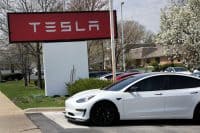
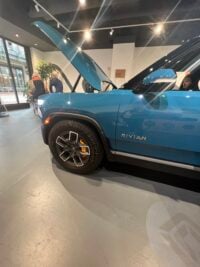
Tesla (NASDAQ: TSLA | TSLA Price Prediction) and Rivian (NASDAQ: RIVN) both closed the books on Q1 FY2026, and the contrast is impossible to ignore. Tesla posted $22.39 billion in revenue with an automotive gross margin of 21.1%. Rivian delivered $1.381 billion while its automotive segment slipped to a $62 million gross loss. Same industry, very different chapters.
AI Cash Machine Meets EV Survival Story
Tesla’s quarter was built on software and mix. FSD active subscriptions reached 1.28 million, up 51% year over year, lifting Services and Other revenue 42% to $3.745 billion. Deliveries grew a modest 6%, yet free cash flow more than doubled to $1.444 billion. Lower material costs and one-time warranty and tariff benefits did real work here.

Rivian is still building the runway. Deliveries hit 10,365 units, a 20% jump, but a $100 million drop in regulatory credit sales and a heavier mix of commercial vans dragged automotive revenue down 2%. The bright spot: Software and Services climbed 49% to $473 million, driven by the Volkswagen RV Tech joint venture. CEO RJ Scaringe framed the moment around R2: “With the launch of R2, we are excited to dramatically expand our market opportunity and have more people driving Rivians.”

One Sells Robots. The Other Sells Hope.
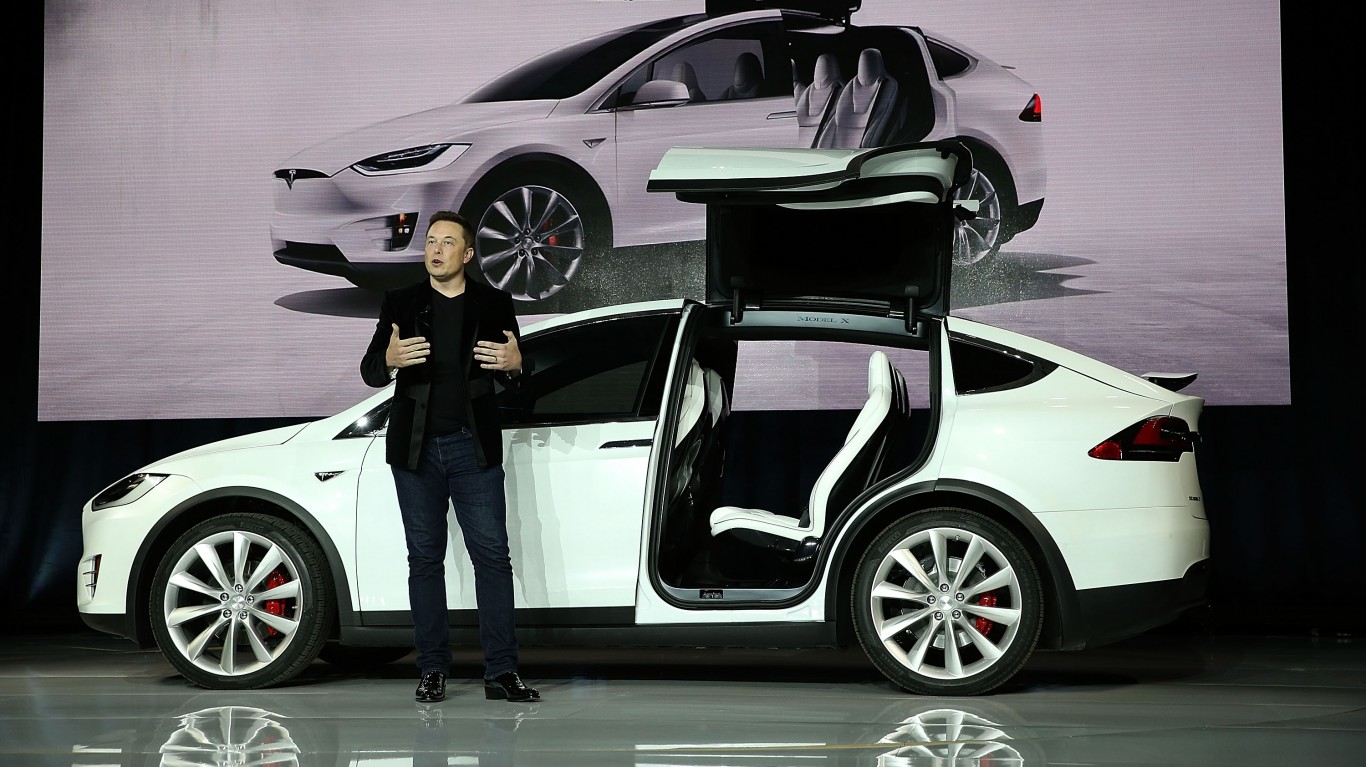
Tesla is pouring $1.95 billion per quarter into R&D, taping out its AI5 inference chip, prepping Optimus lines designed for 1 million robots per year, and running unsupervised Robotaxi rides in Dallas and Houston.
| Lens | Tesla | Rivian |
| Cash on hand | $44.7B | $4.83B with VW infusion |
| Q1 FCF | +$1.44B | -$1.075B |
| Core bet | FSD, Optimus, Robotaxi | R2 ramp, Georgia plant |
| Key vulnerability | AI monetization timing | Reaching positive auto gross profit |
Rivian’s bet is narrower and more existential: get R2 down to about 50% of the R1 bill of materials, scale the $4.5 billion DOE-backed Georgia plant, and turn the Uber robotaxi deal worth up to $1.25 billion into real volume.
The Catalysts That Actually Matter
For Tesla, Cybercab pilot production, Tesla Semi volume, and Megapack 3 all need to land in 2026. Polymarket crowds are skeptical on timing: only 8.5% assign odds to a California Robotaxi launch by June 30, and 18% to an Optimus release by year end. I will keep an eye on FSD subscription net adds, since that is the cleanest signal that hardware buyers convert into software customers.
For Rivian, guidance of 62,000 to 67,000 deliveries and adjusted EBITDA of -$2.10 billion to -$1.80 billion rests on R2 execution. The fact that a Polymarket contract on a 2026 Rivian bankruptcy sits at 50.5% tells you how fragile the perception is, even with VW’s 62.9 million share purchase at $15.90 on April 30.
Why Tesla Looks Stronger Today, While Rivian Remains a Higher-Variance Story
On the data alone, Tesla looks like the stronger fundamental story today. The 14.84% gain since the April 22 earnings report reflects something the numbers back up: a margin recovery, a software annuity that is compounding, and a balance sheet that can fund moonshots without panic financing. The valuation near a P/E of 440 makes me cautious, and recent insider selling does not help.
Rivian is the higher-variance play. If R2 hits its cost targets and the Uber fleet materializes, the 28.91% analyst upside to $18.15 could prove conservative. The key signal to watch is one clean quarter of positive automotive gross profit, which would meaningfully shift the risk profile of the story.
Contact [email protected] for any questions or corrections.
Vandita Jadeja is a financial publisher with over a decade of experience writing about financial topics, including investment, savings, retirement, insurance and banking. Vandita is a Chartered Accountant who loves to debunk financial concepts for readers.
Her work has appeared on sites that include The Motley Fool, InvestorPlace, and Benzinga. She covers investing and focuses on stock picks and price prediction for 24/7 Wall St.
When not looking for the next stock investment opportunity, she can be found traveling, reading, chasing sunsets and enjoying her iced latte.