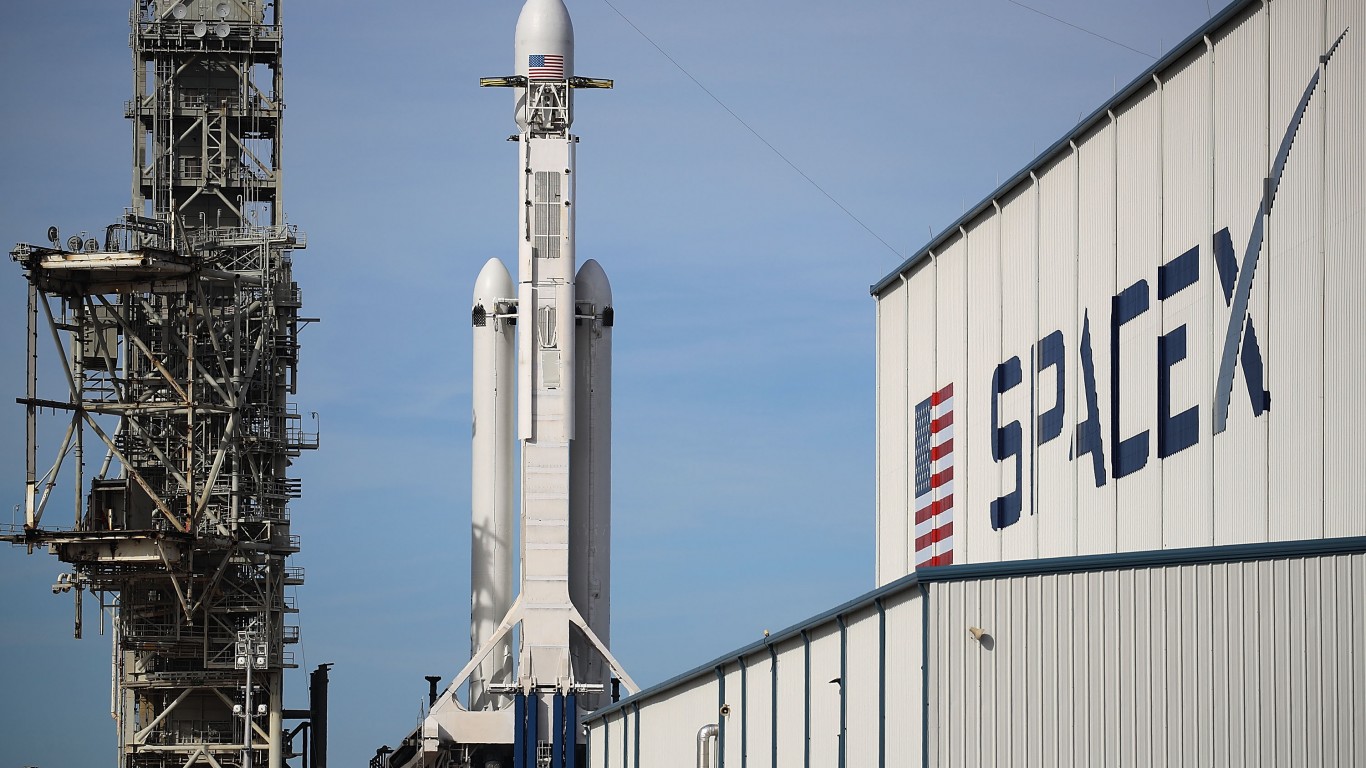
SpaceX IPO Will Force Index Funds to Buy $7 Billion in One Day. What Happens to Nasdaq Next.
Dave Nadig, the longtime ETF analyst, went on Barry Ritholtz’s Masters in Business: At The Money podcast and described the upcoming SpaceX IPO as “one of those get-the-popcorn moments in markets.” The reason centers on index plumbing that most passive…

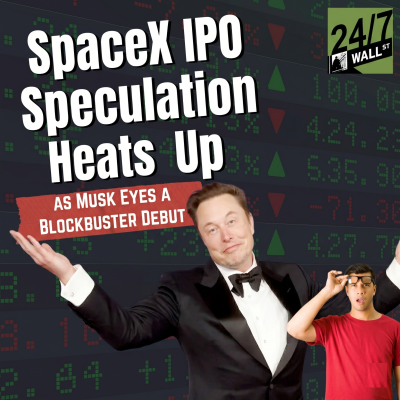
Dave Nadig, the longtime ETF analyst, went on Barry Ritholtz’s Masters in Business: At The Money podcast and described the upcoming SpaceX IPO as “one of those get-the-popcorn moments in markets.” The reason centers on index plumbing that most passive investors never think about.
NASDAQ is reportedly waiving its standard six-month seasoning period so SpaceX can enter the index almost immediately after going public. Nadig estimates that decision will force NASDAQ-tracking funds to buy roughly “$7-ish billion” of SpaceX stock on a single day.
How the Forced Buying Works
Every dollar in a NASDAQ-100 ETF is already invested. To make room for a new mega-cap, the fund must sell every other holding proportionally. Nadig described it as “guaranteeing that existing money that is tracking that index will have to sell a whole bunch of other things in order to buy this new slug of SpaceX.”
The scale matters. Invesco QQQ Trust (NASDAQ:QQQ) alone holds $385 billion in net assets as of May 1, 2026, and that is one product among many tracking the same index. QQQ is up 16% year to date and 39% over the past year, so inclusion day will land in a strong tape with the VIX at 17.99, calm conditions for a large rebalance.
Why NASDAQ Is in a Hurry
Nadig’s read on the motivation is that this is a competitive land grab between index providers. By getting SpaceX in early, NASDAQ believes “by having SpaceX in the ETFs, in the index itself, that people will be more attracted to that index, and therefore people will put more money in those funds.” The exchange wants to “build a pool of assets with a reasonable weight before the rest of the index world has piled on.”
The S&P 500 is “now considering accelerating their rules too, to include a company like SpaceX after 6 months,” but Nadig called that approach “not nearly as egregious” because the committee and free-float weighting would cap SpaceX at “only 5% of its nominal real value.” You can see that measured concentration in SPDR S&P 500 ETF Trust (NYSEARCA:SPY), where even the top holding sits at 7.58%.
The Tax on Index Ownership
Ritholtz pushed the bigger question: is this “a one-time technical distortion, or is this going to be a recurring tax on index ownership for people who don’t want to play the IPO game?” He also pointed out the irony that any retail investor can buy SpaceX shares the moment trading opens, so the rushed inclusion is driven by something other than access. You can listen to the full segment here.
If Nadig is right, every passive investor in a NASDAQ-tracking fund will pay a small inclusion-day premium so the index gets a marquee name. Multiply that across future mega-IPOs and the low-cost case for indexing starts to wear thin. I’ve owned index funds for years alongside individual names, and this mechanical detail is worth watching the next time a private giant heads public.
Contact [email protected] for any questions or corrections.
I've been writing about stocks and personal finance for 20+ years. I believe all great companies are tech companies in the long run, and I invest accordingly.