10 CEO Mistakes That Cost Their Companies Billions
Bad leadership can cost a company far more than a weak quarter. In the worst cases, a single strategic mistake can erase billions in market value, damage shareholder confidence, weaken a once-dominant brand, or send a business into a decline…

Kodak Sits on Digital Photography
Kodak engineer Steve Sasson built the first digital camera prototype in 1975, but company leaders were reluctant to push the technology because film was Kodak’s core business. Rather than fully committing to the digital future, Kodak protected the product model that had made it dominant for decades. The company eventually fell behind as digital cameras and smartphones changed photography forever. Kodak filed for Chapter 11 bankruptcy protection in 2012 after years of decline and billions in lost market value.
Lehman Brothers Doubles Down on Risk

In the years before the 2008 financial crisis, Lehman Brothers under CEO Richard Fuld expanded heavily into risky mortgage-backed assets and real estate exposure. When credit markets froze and housing values collapsed, Lehman could not find a buyer or government-backed rescue in time. On September 15, 2008, the 164-year-old investment bank filed for bankruptcy, the largest bankruptcy filing in U.S. history. Its collapse intensified the global financial crisis and erased a Wall Street institution almost overnight.
Coca-Cola Launches New Coke
In 1985, Coca-Cola CEO Roberto Goizueta led the decision to replace the original Coke formula with New Coke. The company believed taste tests showed consumers preferred the sweeter reformulation, but executives underestimated the emotional loyalty people had to the original drink. Public backlash was swift, and Coca-Cola brought back the original formula as Coca-Cola Classic less than three months later. New Coke became one of the most famous marketing blunders ever, even though the company ultimately recovered.
AOL and Time Warner Merge at the Worst Possible Time
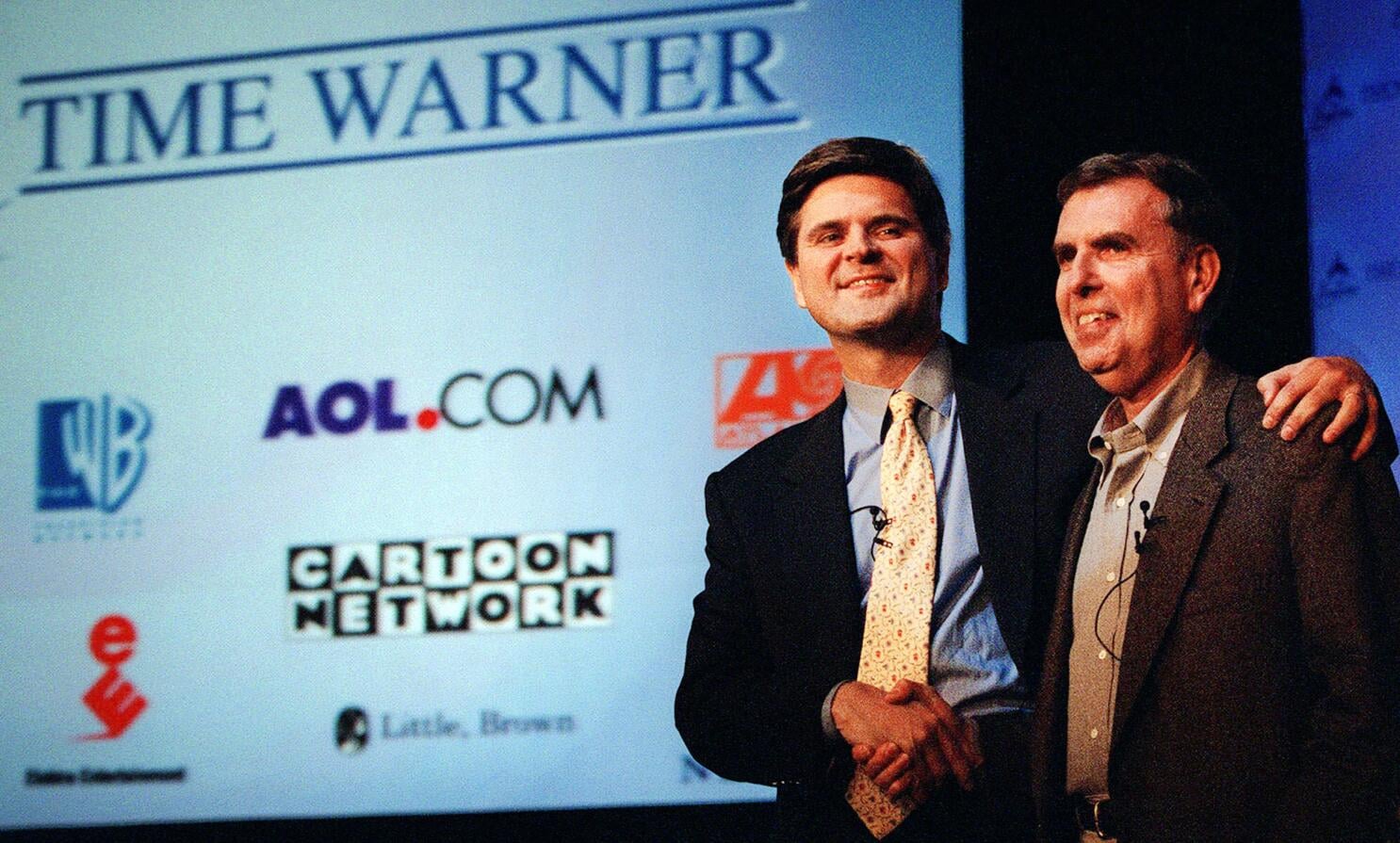
In 2000, AOL CEO Steve Case and Time Warner CEO Gerald Levin agreed to a massive merger at the peak of the dot-com boom. The deal was meant to combine old media power with internet growth, but the two companies clashed culturally and strategically almost immediately. As the dot-com bubble burst and AOL’s dial-up business weakened, the combined company lost enormous value. Time Warner later took a roughly $99 billion write-down, and the merger became a symbol of corporate overconfidence.
Blockbuster Rejects Netflix
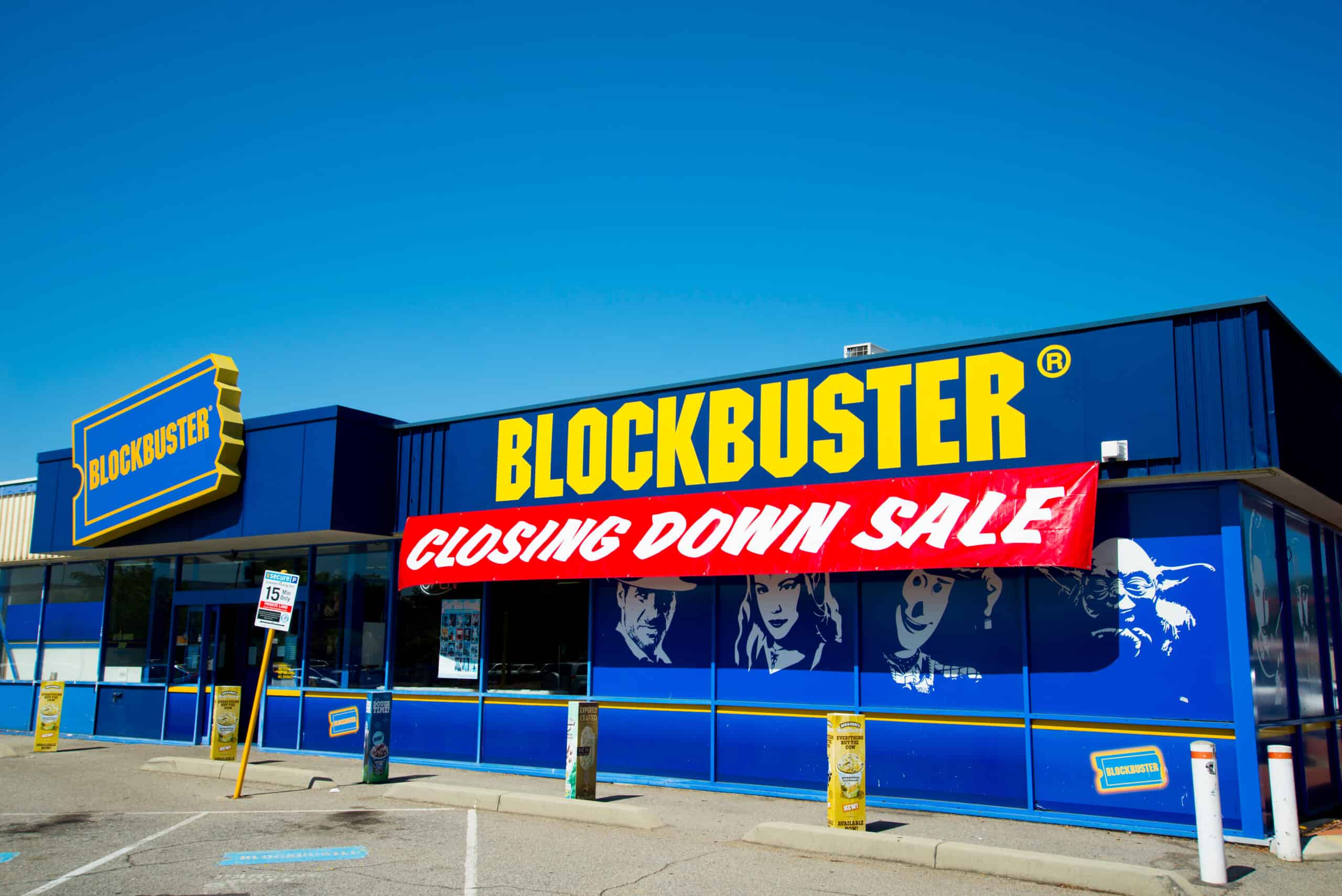
In 2000, Netflix co-founders Reed Hastings and Marc Randolph tried to sell Netflix to Blockbuster for about $50 million. Blockbuster CEO John Antioco and his team passed, reportedly viewing the DVD-by-mail startup as too small and unproven. The decision became one of the most famous missed opportunities in business history as Netflix grew into a streaming giant. Blockbuster filed for bankruptcy in 2010, while Netflix went on to become one of the most valuable entertainment companies in the world.
Yahoo Rejects Microsoft’s Takeover Offer
In 2008, Yahoo’s board, with co-founder Jerry Yang serving as CEO, rejected Microsoft’s takeover offer originally valued at $44.6 billion. Yahoo argued the bid undervalued the company, but its business continued to weaken as Google and Facebook gained strength. Less than a decade later, Yahoo sold its core internet business to Verizon for about $4.48 billion. The rejected Microsoft deal remains one of the clearest examples of a company overestimating its leverage during a fast-moving tech shift.
Quaker Oats Buys Snapple

In 1994, Quaker Oats CEO William Smithburg approved the purchase of Snapple for about $1.7 billion. Quaker had succeeded with Gatorade, but Snapple depended on a very different distribution model, brand personality, and customer base. The company struggled to integrate Snapple and failed to recreate the magic that made the drink popular. Quaker sold Snapple just 27 months later for about $300 million, creating a loss often estimated at well over $1 billion.
Excite Passes on Google
In 1999, Google founders Larry Page and Sergey Brin reportedly tried to sell their search technology to Excite for about $1 million, later negotiated down to roughly $750,000. Excite CEO George Bell passed on the deal, reportedly concerned that Google’s search results were so good they would send users away from Excite’s portal. Google went on to dominate search and online advertising. Excite faded, and the rejected deal became one of the internet era’s most painful missed chances.
Ford Launches the Edsel
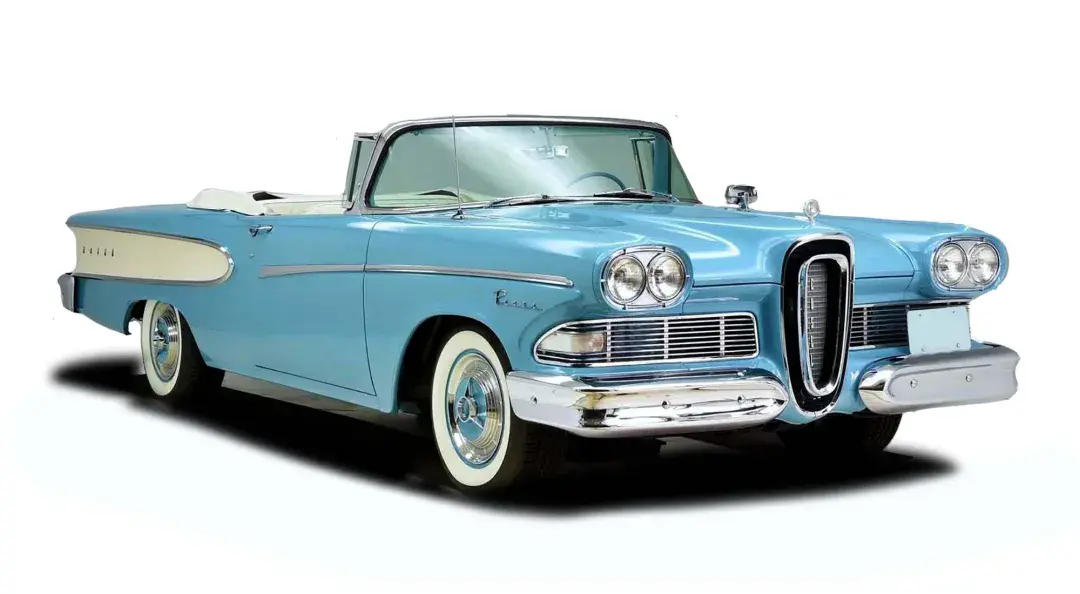
Ford introduced the Edsel for the 1958 model year after years of planning and a huge marketing push. The project was backed by Ford leadership, including Henry Ford II, but the car arrived during a recession and failed to connect with buyers. Its unusual styling, pricing confusion, and quality complaints helped turn it into a national punchline. Ford discontinued the Edsel after only a few model years, with losses commonly estimated at about $250 million at the time.
Nokia Bets on Windows Phone
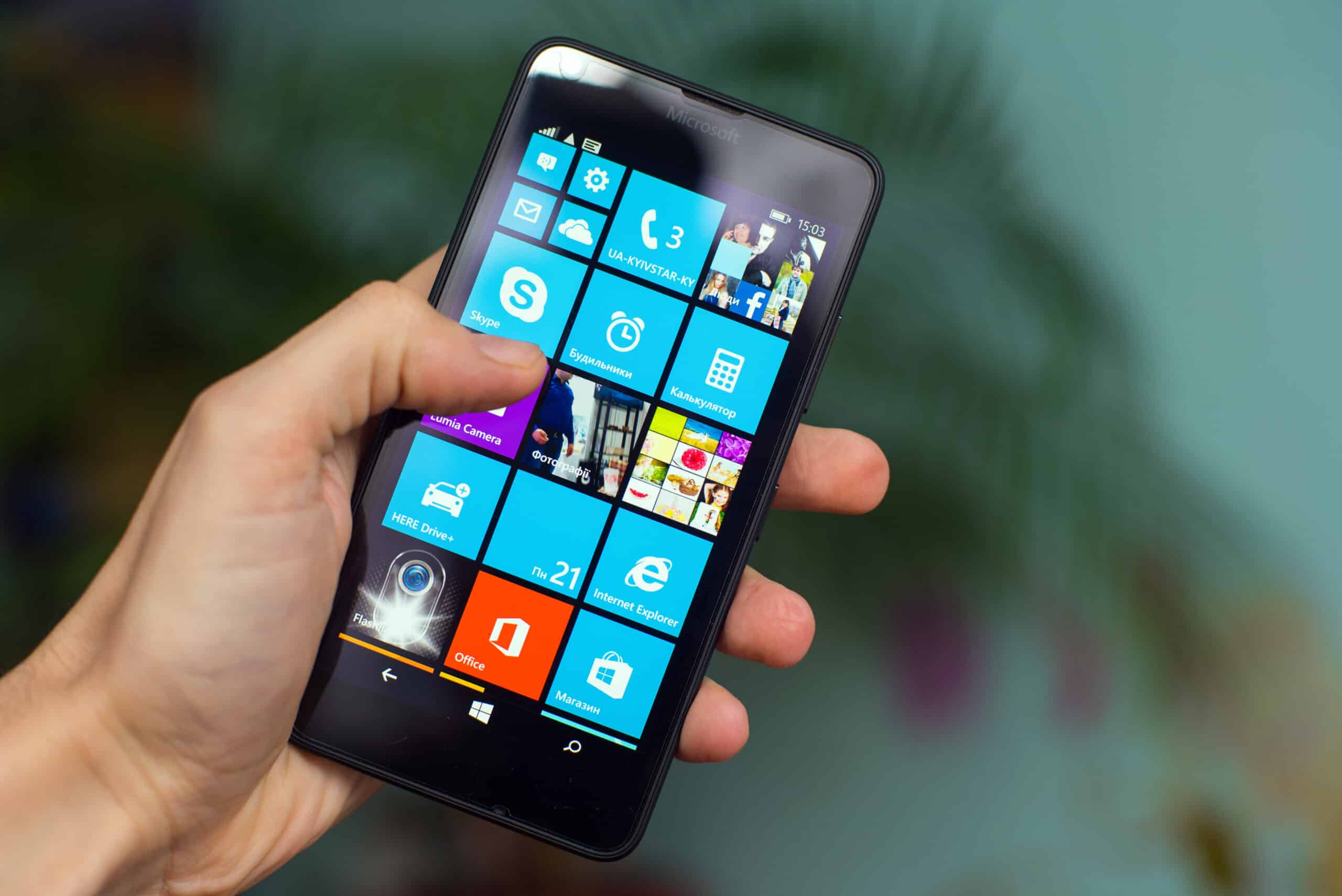
In 2011, Nokia CEO Stephen Elop announced that the company would shift its smartphone strategy to Microsoft’s Windows Phone platform instead of fully embracing Android or continuing with its own systems. The decision was meant to give Nokia a clear identity, but it left the company tied to a mobile ecosystem that struggled against Apple and Google. Nokia’s phone business continued losing ground, and Microsoft agreed to buy Nokia’s devices and services business in 2013 for 5.44 billion euros, or about $7.2 billion. The move marked the end of Nokia’s run as the world’s dominant phone maker.
The image featured at the top of this post is ©Andrew Clemente.
Contact [email protected] for any questions or corrections.