The Memory Pricing Cycle That Could Crush This AI ETF Before Year-End
The Roundhill Memory ETF (CBOE:DRAM) is the kind of fund that arrives with a thesis already pricing in. Launched on April 2, 2026, DRAM has run from $28 at inception to $49, a 77% gain in roughly six weeks, before…

This post may contain links from our sponsors and affiliates, and Flywheel Publishing may receive compensation for actions taken through them.

The Roundhill Memory ETF (CBOE:DRAM) is the kind of fund that arrives with a thesis already pricing in. Launched on April 2, 2026, DRAM has run from $28 at inception to $49, a 77% gain in roughly six weeks, before giving back 10% in the past week alone. For investors who came to DRAM as the cleanest pure-play vehicle on HBM and AI memory demand, the question now is whether the recent pullback is a pause in a structural cycle or the front edge of something larger.
What this fund actually owns
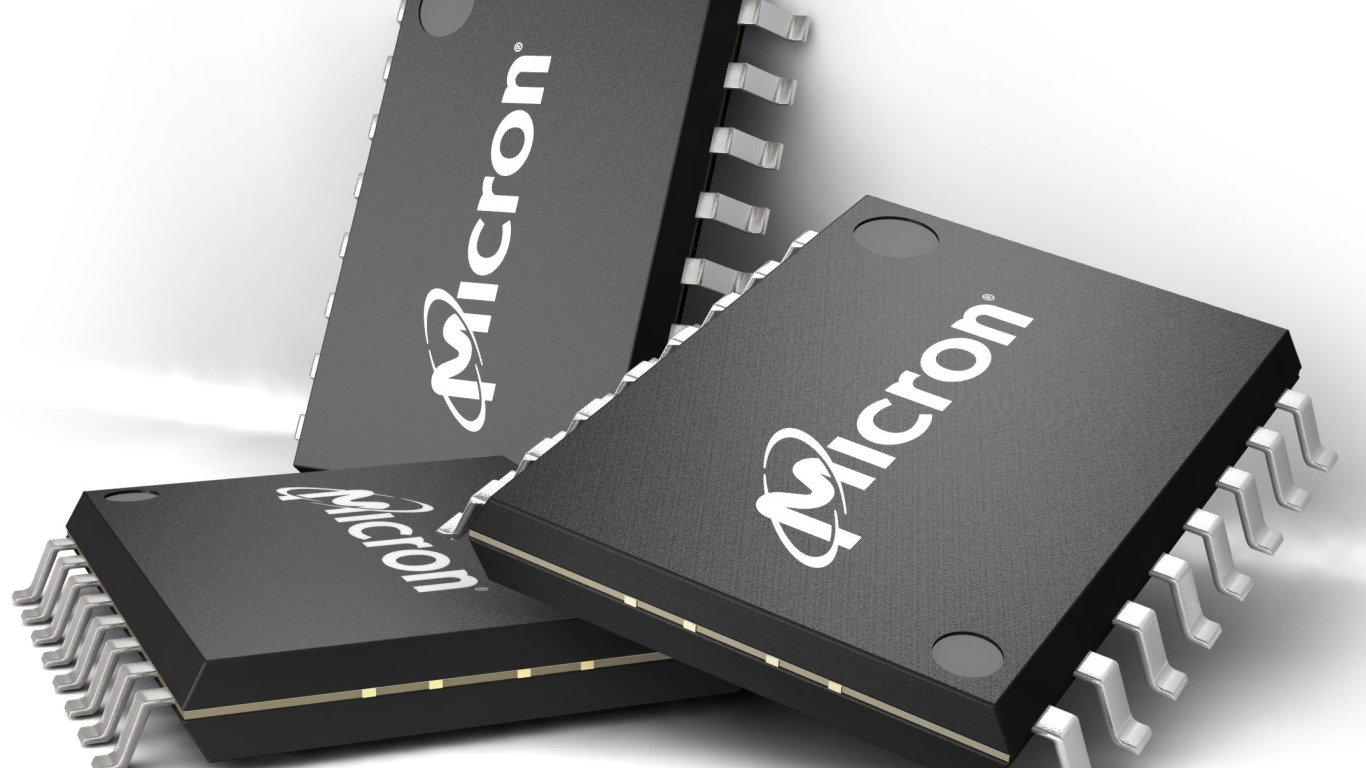
DRAM is concentrated by design. The top three holdings, Samsung Electronics at 25%, SK hynix at 24%, and Micron Technology at 24%, account for 73% of net assets. The remaining sleeve spreads across Kioxia, Sandisk, Western Digital, Seagate, Nanya, and Winbond. Geographically, 49% of the fund sits in South Korea, 38% in the United States, and 6% in Taiwan. The expense ratio is 0.7%, and total net assets remain small at about $250,000, which means trading liquidity will be a real consideration for larger positions.
The macro signal that matters most: HBM and DDR5 contract pricing
The single macro variable with the highest leverage on DRAM over the next 12 months is the memory contract pricing cycle, specifically HBM3E and DDR5 pricing tracked by TrendForce and DRAMeXchange. The fund’s three anchor holdings derive an outsized share of incremental profit from HBM stacks shipped to NVIDIA, AMD, and the hyperscaler ASIC programs. Micron is up 597% over the past year and 139% year to date, a move that bakes in continued HBM pricing power and capacity sold out through next year.
Watch TrendForce’s monthly DRAM contract price report and SK hynix and Micron quarterly capex guidance. A sequential decline in DDR5 contract pricing of more than 5%, or any signal that 2027 HBM capacity is no longer fully booked, would compress the margin assumptions holding up all three top names. The 2022 to 2023 memory downcycle is the relevant analog: when contract prices rolled over, Micron’s gross margin swung from positive 40s into negative territory within three quarters, and the stock lost roughly half its value before bottoming.
The fund-specific factor: three stocks are the fund
With 73% of the portfolio in Samsung, SK hynix, and Micron, DRAM’s NAV moves on just three earnings calendars. Micron alone dragged the fund last week, falling 14% in five trading sessions to $681, which mechanically explains most of DRAM’s 10% weekly drop. The Korean exposure adds a second layer: nearly half the portfolio is denominated in won, and a strengthening dollar against the won directly subtracts from DRAM’s USD-reported NAV even when Samsung and SK hynix trade flat in Seoul.
The actionable monitor here is the next earnings reports from all three, plus the USD/KRW cross. If Micron’s next quarterly guidance trims HBM bit shipment growth, expect that to flow through to roughly a quarter of the fund’s value on the same day. The Reddit framing captured the mood, with the dominant wallstreetbets thread titled “Retail Euphoria Turns Six-Week Fund Into Record-Busting AI Trade” and sentiment scores sliding from 22 (bearish) to 18 (very bearish) over the weekend.
What to actually watch
The two signals: TrendForce’s next DDR5 and HBM3E contract price update, and Micron’s next earnings report with HBM guidance. A flat-to-down DRAM contract price combined with any softening in HBM commentary would hit roughly three-quarters of this fund in a single week. A clean reacceleration in both keeps the thesis intact, but with core PCE sitting at the 90th percentile of its 12-month range, the Fed has less room to cushion any cyclical wobble in semiconductor capex.
Contact [email protected] for any questions or corrections.
I am a long time investor and student of business, and believe finding good companies that can become great investments is the best game on earth. After 20 years of writing and researching the public markets it is clear that individuals have never had more tools and information to take control of their financial lives. From ETFs and $0 commissions to cryptos and prediction markets there has never been a greater democratization of access to investing.
I write to help people understand the investments available to them so they can make the best choice for their portfolio, whether they're starting out or looking for income in retirement.